Poland’s Deputy Prime Minister and the Minister of Culture Piotr Glinski, 13 October 2021. [EPA-EFE/Jonas Ekströmer]
Poland has shown immense support for Ukraine since the Russian invasion started. What is less known is that the two countries share a history of oppression and bloodshed, but according to Poland’s Deputy Prime Minister Piotr Gliński, the war has given them a chance to achieve full reconciliation.
As Russian artillery and rockets land on Ukrainian hospitals and apartment blocks, devastating residential districts with no military value, the world is watching with horror what is, for Russia, an increasingly standard practice.
Its forces conducted similar attacks in Syria, bombing hospitals and other civilian structures as part of Russia’s intervention to prop up that country’s government.
Moscow went even further in Chechnya, a border region that had sought independence in the Soviet Union’s 1991 breakup. During two formative wars there, Russia’s artillery and air forces turned city blocks to rubble and its ground troops massacred civilians in what was widely seen as a deliberate campaign to terrorize the population into submission.
Now, Vladimir V. Putin, whose rise to Russia’s presidency paralleled and was in some ways cemented by the Chechen wars, appears to be deploying a similar playbook in Ukraine, albeit so far only by increments.
Russia’s invasion of Ukraine has already driven millions of people from their homes and left many without water, power and food. As hostilities continue, the humanitarian and economic consequences will expand far beyond the region, putting potentially millions of people around the world at risk of hunger.
And these aren’t just short-term threats. The decisions that farmers and policymakers make over the next few weeks and months will have long-term consequences for the future of the world’s food systems. The right responses can keep the world on track for a sustainable food future. The wrong ones will worsen food insecurity and fuel climate change.
Ukrainian refugees escape to the border town of Medyka, Poland. Millions of Ukrainian residents have fled their homes in recent weeks, due to the Russian invasion. Photo by Damian Pankowiec/Shutterstock
“And yet, just when the climate scientists and governments across the eight Arctic states should be working together to understand and address the climate crisis, Russia’s war on Ukraine has forced the Arctic Council, an intergovernmental group of Arctic states and Arctic Indigenous Peoples, to suspend their joint activities in protest of Russia’s unprovoked aggression.“
Europe’s energy independence from Russia, including in its financial aspects, will be a key topic of discussion at a two-day summit in Versailles hosted by the French EU presidency. [France Diplomatie – MEAE]
European Union leaders will tackle ways to wean themselves off Russian fossil fuels on Thursday (10 March) and debate how quickly to ditch their key supplier, with countries split over whether to sanction oil and gas imports as Moscow wages war in Ukraine.
A still image taken from a handout video made available by the Russian Defence Ministry press service shows a general view of the Chernobyl Nuclear Power Plant in Pripyat, Ukraine, 7 March 2022. Russian President Putin on 24 February 2022 announced a “special military operation against Ukraine”. Martial law has been introduced in Ukraine, and explosions are heard in many cities including Kyiv. [Handout photo/EPA/EFE]
Ukraine said on Wednesday (9 March) there was a danger of a radiation leak at the Chernobyl nuclear power station after electricity was cut off to the plant, but the UN nuclear watchdog saw “no critical impact on security”.
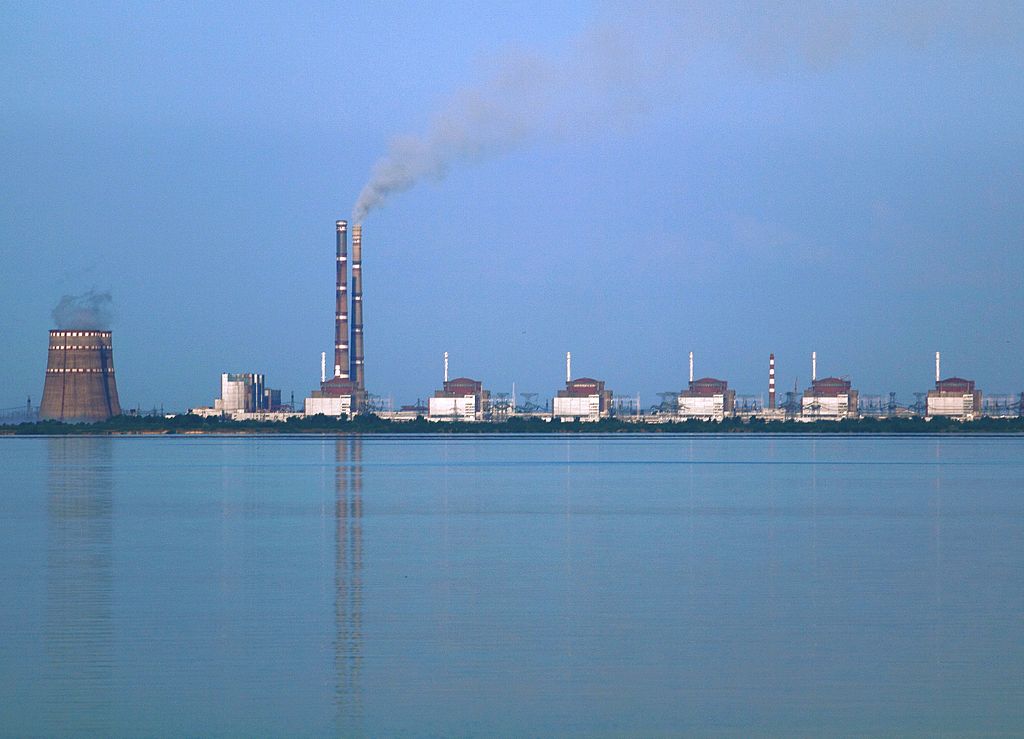
Zaporizhzhia nuclear power plant in southern Ukraine. The two tall smokestacks are at a coal-fired generating station about 3km beyond the nuclear plant. Photo credit: Ralf1969 via Wikimedia Commons.
As the Russian invasion of Ukraine began to unfold, Russia’s swift occupation of the Chernobyl reactor complex and the surrounding exclusion zone sparked widespread speculation and concern.[1] The concern was not limited to whether the occupation would cause further radioactive release from Chernobyl;[2] it also included possible Russian military action against other Ukrainian nuclear facilities. These fears were further accelerated when Russian forces shelled and apparently occupied the Zaporizhzhia nuclear power complex near Enerhodar, Ukraine.[3] There have also been reports of attacks on a former Radon disposal site near Kyiv.[4]
World leaders have expressed concerns, and the UN Security Council held an emergency meeting on Friday to discuss the issue. At the meeting, the US ambassador told the emergency session that the assault on the Zaporizhzhia nuclear power plant “represents a dire threat to the world.” [5] The IAEA’s Board of Governors passed a resolution that deplored the Russian invasion and urged Russia to allow Ukraine to continue to control its nuclear facilities. The board’s resolution was similar to a UN General Assembly resolution passed on March 3rd.[6] Despite the high levels of concern the reactors at Zaporizhzhia do not appear to have been damaged and there has been no reported radiation release from the facility.
It is the first time in 40 years the security council has referred a crisis to the assembly and only the 11th time an emergency session of the UN general assembly has been called since 1950.
The United Nations has voted overwhelmingly for a resolution deploring Russia’s invasion of Ukraine and called for the immediate withdrawal of its forces, in a global expression of outrage that highlighted Russia’s increasing isolation.
In an emergency session of the UN’s general assembly, 141 of the 193 member states voted for the resolution, 35 abstained, and five voted against. The only countries to vote no in support of Moscow were Belarus, North Korea, Eritrea and Syria. Longstanding allies Cuba and Nicaragua joined China in abstaining.
The resolution said the UN “deplores in the strongest terms the aggression by the Russian Federation against Ukraine”. It demanded that “the Russian Federation immediately cease its use of force against Ukraine” and “immediately, completely and unconditionally withdraw all of its military forces”.
The resolution is not legally binding, but is an expression of the views of the UN membership, aimed at increasing pressure on Moscow and its ally, Belarus.
“It isn’t going to stop Russian forces in their stride, but it’s a pretty enormous diplomatic win for the Ukrainians and the US, and everyone who has got behind them,” Richard Gowan, UN director at the International Crisis Group, said.
Speaking before the vote, the US ambassador to the UN, Linda Thomas-Greenfield, compared the Russian invasion to the Nazi conquest of Europe.
“A few of the eldest Ukrainians and Russians might recall a moment like this, a moment when one aggressive European nation invaded another without provocation to claim the territory of its neighbour, a moment when a European dictator declared he would return his empire to its former glory and invasion that caused a war so horrific, that it spurred this organization into existence,” Thomas-Greenfield said.
Dr Đặng Minh Hiệu before and after having his head shaved to facilitate his work in COVID-19 prevention and control. — Photo tienphong.vn
Thousands of people of different generations have volunteered to join the country’s efforts in the fight against COVID-19, and their acts of kindness have contributed to helping many overcome the most difficult times in their lives.
They include not only medical workers and soldiers but also normal people willing to work for the good of others.
Chúng ta vẫn thường chỉ nhìn các thảm họa như những sự kiện cần phải đối phó mà không còn thấy một trong những nguyên nhân sâu xa, đó là sự bất bình đẳng xã hội và kinh tế.
Bản Tủ thuộc xã Sơn Lương, huyện Văn Chấn (Yên Bái) gần như bị “xóa sổ” sau cơn lũ vào tháng 7. Nguồn ảnh news.zing.vn
Tính đến nay, trong năm 2018 đã có hơn 75 người bị thiệt mạng hoặc mất tích ở Việt Nam vì nguyên nhân mà người ta vẫn gọi là “thiên tai”. Tổn thất về con người thực sự đau đớn và những cộng đồng bị ảnh hưởng phải đối mặt với khó khăn và bất lợi chồng chất bởi sự tàn phá nhà cửa, ruộng đồng, cơ sở hạ tầng và dịch vụ gây ra.
Trong những tháng còn lại của năm nay, khả năng cao là Việt Nam sẽ còn bị ảnh hưởng bởi nhiều cơn bão khủng khiếp hơn nữa – và điều này đặt ra câu hỏi liệu đây có phải là một dấu hiệu cho một hiện tượng thảm khốc sẽ xảy ra định kì.
Bài báo thứ nhất trong loạt bài này đã đề cập và tìm hiểu vì sao thuật ngữ “thiên tai” không chính xác và dễ gây hiểu nhầm; đồng thời đưa ra lập luận rằng luôn luôn tồn tại trách nhiệm của xã hội và chính trị trong “thiên tai”.
Người dân Việt Nam xứng đáng nhận được một lời giải thích từ các cơ quan chức năng về các quyết định kinh tế, chính trị và môi trường đã gây ảnh hưởng tới họ và đẩy họ vào tình trạng như hiện nay. Tuy nhiên những điều này đến nay hầu như vẫn chưa được công bố rộng rãi. Chúng ta vẫn được ấn định nhìn vào các thảm họa như những sự kiện cần phải đối phó thay vì thấy rằng đó là biểu hiện của sự bất bình đẳng xã hội và kinh tế.
Lũ đã làm chết nhiều gia súc của nông dân xã Hòa Thành, TX Đông Hòa, Phú Yên. Ảnh: PU
Cả lãnh đạo các nhà máy thủy điện bậc thang trên dòng sông Ba lẫn lãnh đạo các tỉnh Gia Lai, Phú Yên đều bất đồng quan điểm về nguyên nhân lũ chồng lũ, nhấn chìm Nam Trung Bộ. Tranh cãi trái chiều đang gay gắt, chưa hồi kết…
Đợt mưa lũ kéo dài từ tối 28.11- 1.12, gây thiệt hại nặng nề cho các tỉnh Nam Trung bộ và Tây Nguyên. Nhất là Phú Yên, lũ đã vượt đỉnh lịch sử (1993), làm ba người chết, sáu người mất tích, hơn 50.000 căn nhà bị ngập, hơn 18.500 người khác phải sơ tán…
Lãnh đạo Phú Yên cho rằng, một trong những nguyên nhân lũ lụt đỉnh điểm là do các thủy điện ở Tây Nguyên đồng loạt xả lũ, gây áp lực cho thủy điện hạ lưu sông Ba. Nhưng lãnh đạo các sở ngành ở Gia Lai thì phủ nhận.
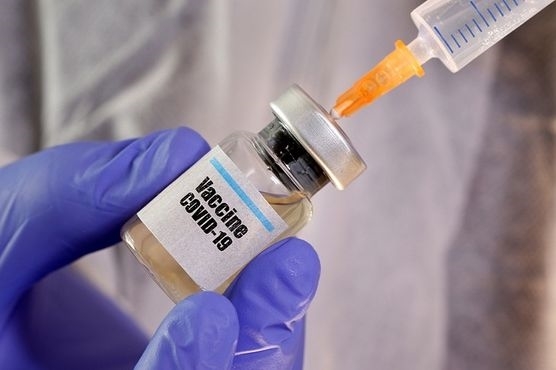
KHPT – Sau khi mất gần hai năm phát triển và sản xuất vaccine COVID, dồn tâm huyết và cả nguồn lực để chạy đua với đại dịch, các nhà sản xuất Việt Nam vẫn chưa thể về đích khi sản phẩm của họ mới chỉ tồn tại với cái mũ vaccine dự tuyển. Trước mắt điều gì chờ đón họ?
Chỉ có sự bất định, dẫu đại dịch vẫn đang tiếp diễn và virus SARS-CoV-2 đã tự “hoán cải” qua bao lần đột biến…
Vì sao vậy? Đó là câu hỏi mà cả Nanogen và IVAC – hai công ty phát triển và sản xuất vaccine COVID-19 là Nanocovax và COVIVAC, còn ngơ ngác chưa thể trả lời ngay được, dẫu là người nhập cuộc với quyết tâm làm bằng được một vaccine “make in Vietnam” để có thể giúp chủ động ngăn chặn đại dịch trong nước bởi họ cảm thấy trách nhiệm của mình ở đó.
Chi phí tiêm vắc xin ngừa COVID-19 có thể giảm xuống ít nhất 5 lần nếu các hãng dược không giữ thế độc quyền để thu lợi riêng, đây là tuyên bố mới nhất ngày hôm nay của Liên minh Vắc xin cho Tất cả mọi người.
[Somesh Dutta specializes in international dispute resolution. He is currently working with the Max Planck Institute Luxembourg for International, European & Regulatory Procedural Law as a Research Fellow and is a member of the International Max Planck Research School for Successful Dispute Resolution (IMPRS-SDR).]
In particular, developing economies with a large consumer base may have a crucial role in shaping the future of international investment adjudication, and thus an influence on the future flow of capital for global economic growth.
Đại dịch COVID-19 sớm muộn gì rồi cũng phải chấm dứt theo cách này hay cách khác. Và rồi, sau những tiếng thở dài vừa nhẹ nhõm vừa đau đớn, chắc chắn chúng ta sẽ phải tự vấn: Vì sao điều ấy lại xảy ra?
Khi đại dịch qua đi, một cuộc cầu siêu cho những nạn nhân đã tử nạn vì COVID-19 như ý kiến của Bí thư Thành ủy TP.HCM Nguyễn Văn Nên là điều hợp tình hợp lý: Nhà nước nên đứng ra tổ chức cầu siêu và các tôn giáo tùy theo nghi thức riêng cũng có thể tổ chức cầu siêu cho các nạn nhân của đại dịch.
Và rồi, sau những tiếng thở dài vừa nhẹ nhõm vừa đau đớn vì những mất mát không gì bù đắp nổi, chắc chắn chúng ta sẽ phải tự vấn: Vì sao điều ấy lại xảy ra? Vì sao lại mất mát, thiệt hại về nhiều mặt khủng khiếp đến thế? Và tiếp đến, phải làm gì để ngăn ngừa tai họa tái diễn? Phải làm gì để không bỏ phí những bài học quá đắt giá? Cuộc tự vấn càng sâu, càng nghiêm khắc, càng có cơ may giúp tránh được việc lặp lại những sai lầm tương tự trong tương lai.
Lấy thí dụ TP.HCM. Đại dịch COVID-19 đã như một loại thuốc thử làm trôi đi nhiều lớp sơn hào nhoáng và để lộ ra những thiếu thốn, yếu kém, bất cập trong sự phát triển lâu dài của thành phố. Nhìn chung, nếu sự phát triển của thành phố (cũng như của các tỉnh thành trong vùng) trong những năm qua hướng đến con người hơn, tập trung cho con người hơn thì những thực tế đau lòng mà chúng ta chứng kiến trong mấy tháng đại dịch sẽ giảm đi nhiều.


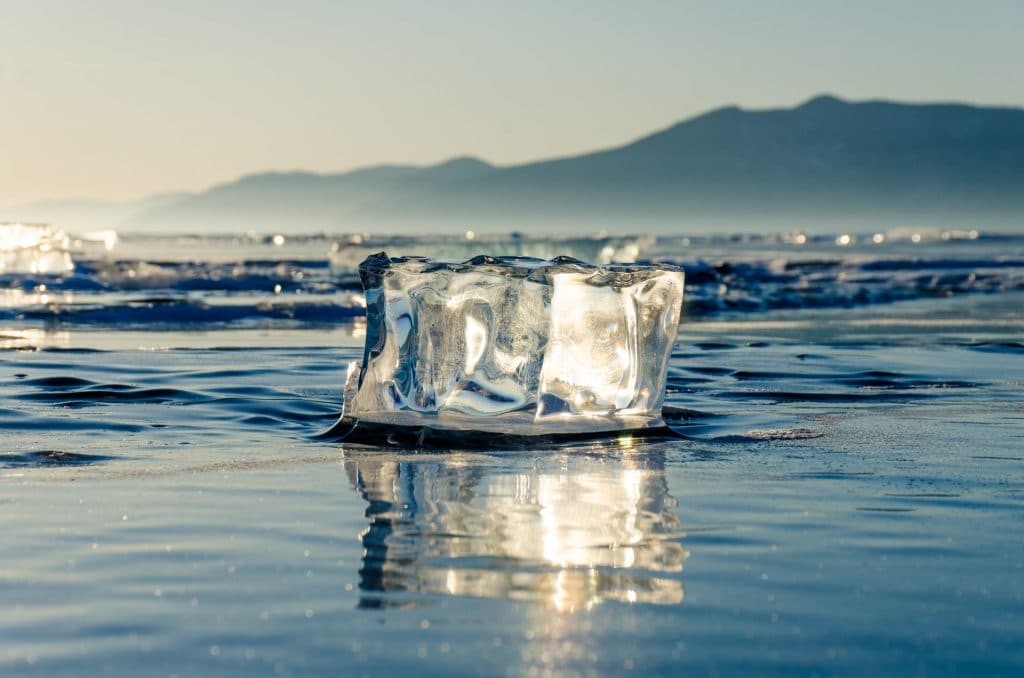 Lake Baikal, Siberia, Russia (Photo by

 Zaporizhzhia nuclear power plant in southern Ukraine. The two tall smokestacks are at a coal-fired generating station about 3km beyond the nuclear plant. Photo credit: Ralf1969 via Wikimedia Commons.




 CVD
CVD 