Cambodia’s mega canal has Vietnam worried: What does it mean for the Mekong?

CNAInsider – 31-10-2025

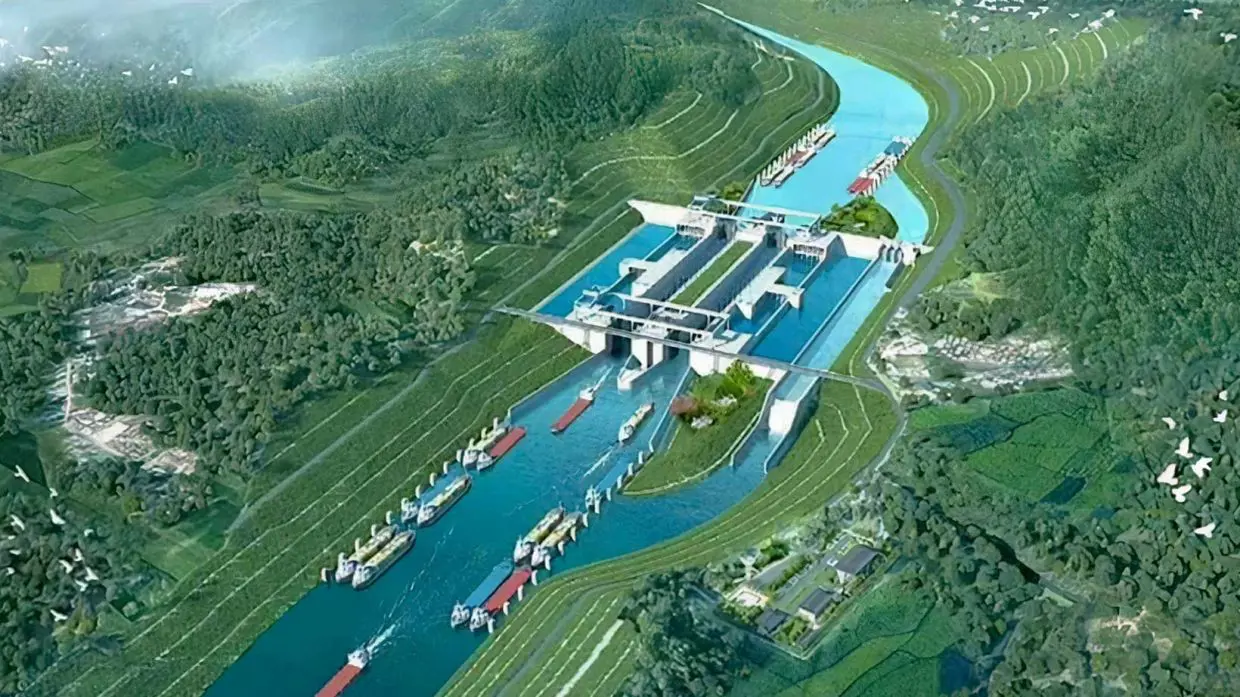
This April, China and Cambodia finalised a deal to build the Funan Techno Canal. It is a 180km waterway which will connect the Mekong River to the Gulf of Thailand. The USD 1.8 billion infrastructure project will be undertaken jointly by the Cambodian government and Chinese investors. The project has an ambitious completion date of 2028.

Cambodia argues that the canal will finally allow the country to control its own destiny. Currently, about a third of Cambodia’s global cargo are relying on Vietnamese ports for export, via the Mekong. The canal will allow the shipments to be exported through Cambodia’s own ports, reducing its reliance on its neighbour. The Kingdom sees the canal as a source of economic independence and growth, as well as a way to boost its transport links.

But Vietnam is concerned that the canal will divert water flows from the Mekong. Indochina’s most important river is already under threat by upstream dams and climate change. A massive new canal could well starve Vietnamese farmlands of much needed water. Cambodia on the other hand, insists that the canal will have minimal impact. As construction of the canal gets underway, what will be the long-term impact of this monumental project? Tiếp tục đọc “Cambodia’s mega canal has Vietnam worried: What does it mean for the Mekong?”

Is Cambodia serious about ending organized cyberscams?

DW.com

Cambodia’s central bank has reportedly revoked the banking license of a conglomerate accused of illicit online activities. But doubts abound about Phnom Penh’s commitment to taking action against cyberfraud networks.

A symbolic image of cybercrime, a person typing on a keyboard
Southeast Asia’s vast cyber scam industry exploded during the COVID-19 pandemic when many of the region’s illegal casino operators turned to online fraudImage: allOver-MEV/IMAGO

The banking arm of a Cambodia-based conglomerate accused of running the world’s “largest ever illicit online marketplace” has had its banking license revoked by the Cambodia’s central bank, Radio Free Asia reported last week.  

Huione Guarantee, the Telegram marketplace of Huione Group, has reportedly processed up to €22 billion ($24 billion) in illicit transactions since 2021, making it by far the world’s largest illegal online marketplace, cryptocurrency compliance firm Elliptic reported last year.

Huione Pay, the group’s banking arm, had its license withdrawn because of noncompliance with “existing regulations and recommendations that may have been made by the regulators,” a National Bank of Cambodia spokesperson told Radio Free Asia, a US Congress-funded media outlet.

Hub for cyberscams

Tiếp tục đọc “Is Cambodia serious about ending organized cyberscams?”

“More than 0s and 1s”: Cambodia battles cybercrime

UNODC.org

Through training held in Phnom Penh, UNODC is helping to build a more robust response to cybercrime in Cambodia.

Photo: UNODC / Laura Gil

Through training held in Phnom Penh, UNODC is helping to build a more robust response to cybercrime in Cambodia.

All the screens in the room, including the one projected on the wall, have turned black, and a series of green letters have started to rain down. “Your wallet has been stolen,” one of the trainers says. All participants —some in uniform, others in suits— start scrolling down, looking for the fictitious cybercriminal.

The mix of Cambodian cybercops, law enforcement officials and judges in the room each have a laptop, and each have a task at hand: to seize the cryptocurrencies before it’s too late. If they collect and manage the digital evidence, they have succeeded, because that evidence can be later presented to the court. On their screens, what they are seeing is a simulation of a cyber-enabled fraud case involving cryptocurrencies in which criminals operate nowadays.

Tiếp tục đọc ““More than 0s and 1s”: Cambodia battles cybercrime”

China and Cambodia ink deal for massive canal project that has raised environmental concerns

thestar.com

PHNOM PENH, Cambodia (AP): Cambodia and China have signed a US$1.2 billion deal to finance an ambitious canal project that aims to boost trade efficiency by linking a branch of the Mekong River near Phnom Penh to a port on the Gulf of Thailand, the Cambodian government agency heading the project has announced,

The deal to fund the Funan Techo Canal was signed Thursday during the state visit to Cambodia of Chinese President Xi Jinping, the agency said in a news release. Xi returned home Friday after a three-nation Southeast Asian tour that also included Vietnam and Malaysia.

Tiếp tục đọc “China and Cambodia ink deal for massive canal project that has raised environmental concerns”

Dự án kênh Phù Nam Techo: Vấn đề chia sẻ thông tin

THANH TUẤN – 11/05/2024 09:34 GMT+7

TTCT – Dự án kênh đào Phù Nam Techo của Campuchia gây chú ý gần đây khi xuất hiện lo ngại dự án sẽ làm thay đổi dòng chính sông Mekong, tác động tới vùng lũ và sinh kế người dân Đồng bằng sông Cửu Long.

Ảnh: Getty

Chỉ ngắn hơn kênh đào Suez 13km, dự án 180km này dự kiến nối thủ đô Phnom Penh của Campuchia với tỉnh Kep, giáp biên giới Việt Nam. 

Được coi là nỗ lực hồi sinh hệ thống sông ngòi lịch sử Campuchia, con kênh với bề rộng 100m và sâu 5,4m có thể phục vụ tàu 3.000 tấn vào mùa khô và 5.000 tấn vào mùa mưa.

Theo China Global South Project, con kênh sẽ kéo dài từ khu vực Prek Takeo của sông Mekong tới Prek Ta Ek và Prek Ta Hing của sông Bassac (sông Hậu) và đi qua bốn tỉnh Kandal, Takeo, Kampot và Kep, với ba hệ thống âu tàu, 11 cầu và 208km đường ven bờ được xây dựng bởi Tập đoàn Cầu đường Trung Quốc (CRBC) theo mô hình BOT. 

Thủ tướng Campuchia Hun Manet ủng hộ mạnh mẽ dự án, và nói nó không có tác hại gì tới môi trường, đặc biệt là tới dòng Mekong đi qua nhiều nước ASEAN.

Tối 5-5, trả lời báo chí, người phát ngôn Bộ Ngoại giao Việt Nam Phạm Thu Hằng nói: “Việt Nam rất quan tâm và tôn trọng lợi ích chính đáng của Campuchia theo tinh thần của Hiệp định Mekong 1995, phù hợp với các quy định liên quan của Ủy hội sông Mekong và quan hệ láng giềng hữu nghị truyền thống giữa hai nước”. 

Về dự án kênh Phù Nam Techo, bà Hằng nói Việt Nam mong “Campuchia tiếp tục phối hợp chặt chẽ với Việt Nam và các nước trong Ủy hội sông Mekong chia sẻ thông tin, đánh giá đầy đủ tác động của dự án này đối với nguồn nước, tài nguyên nước và môi trường sinh thái của khu vực tiểu vùng sông Mekong cùng các biện pháp quản lý phù hợp nhằm bảo đảm hài hòa lợi ích của các quốc gia ven sông, quản lý, sử dụng hiệu quả và bền vững nguồn nước và tài nguyên nước sông Mekong”.

Tiếp tục đọc “Dự án kênh Phù Nam Techo: Vấn đề chia sẻ thông tin”

Cambodia scraps coal power project to build gas-fired plant, import LNG

reuters.com By Sudarshan Varadhan

November 29, 202312:52 PM GMT+7Updated 5 days ago

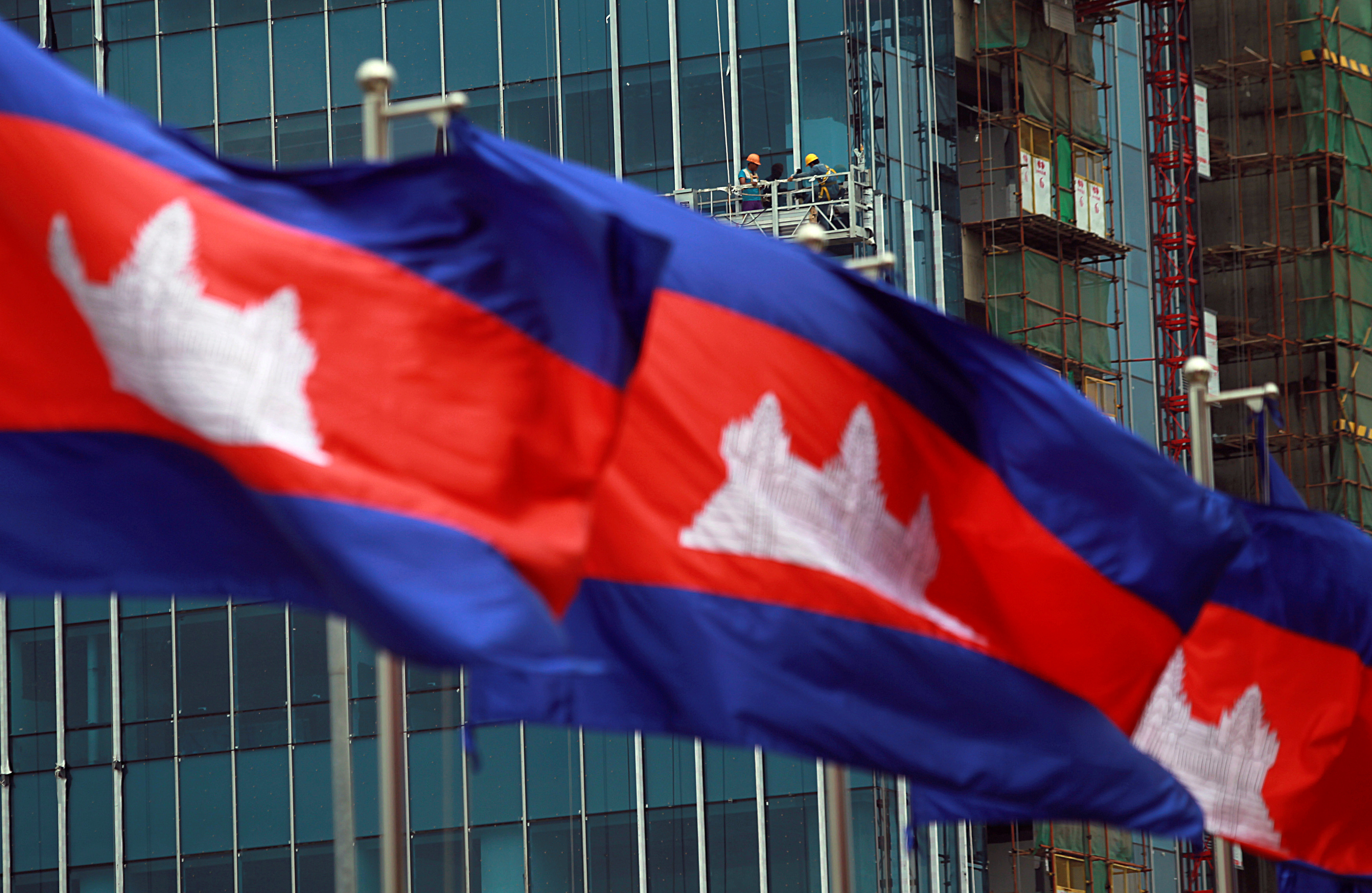
Cambodia's national flags are seen as labourers work at a construction site in Phnom Penh

SINGAPORE, Nov 29 (Reuters) – Cambodia has abandoned plans to build a $1.5 billion 700 megawatt (MW) coal-fired power project in a protected reserve along the southwestern coast and will build an 800 MW natural-gas fired plant instead, its energy minister told Reuters.

As part of the project, Cambodia is exploring construction of a liquefied natural gas (LNG) terminal to import the super-chilled fuel and re-gasify it for use in the power plant, Energy Minister Keo Rottanak told Reuters.

The planned LNG terminal, likely to be a fixed land-based facility, would be Cambodia’s first and would make it a new import market in Southeast Asia. Vietnam and the Philippines took their first shipments this year.

“The Cambodian Prime Minister Hun Manet will announce on Nov. 30 the cancellation of the 700 MW coal power plant project in Koh Kong and the plan to replace it with an 800 MW LNG to be commissioned after 2030,” Rottanak told Reuters.

Tiếp tục đọc “Cambodia scraps coal power project to build gas-fired plant, import LNG”

Dự án kênh đào Phù Nam Techo: Đường ra biển của Campuchia

NGUYỄN THÀNH TRUNG – 26/11/2023 12:03 GMT+7

TTCT Tham vọng tiến ra biển của Campuchia đã có người giúp, đó là Trung Quốc, với một dự án cực kỳ tham vọng.

Hôm 17-10, tại thủ đô Phnom Penh của Campuchia, Ủy ban liên bộ Campuchia do Phó thủ tướng Sun Chanthol đứng đầu đã ký kết thỏa thuận với đại diện Tổng công ty Cầu đường Trung Quốc (CRBC) về dự thảo khung xây dựng kênh đào nối ra biển Phù Nam Techo.

Thỏa thuận này sẽ cho phép CRBC tiến hành nghiên cứu chuyên sâu về tất cả các khía cạnh của dự án trong vòng 8 tháng. Dự án kênh đào Phù Nam Techo ước tính sẽ tiêu tốn khoảng 1,7 tỉ USD và mất 4 năm để hoàn thành. 

Đây là dự án cơ sở hạ tầng lớn đầu tiên của Campuchia kết nối sông Mekong với đường biển, nhằm mở rộng tiềm năng vận tải biển của đất nước chùa tháp.

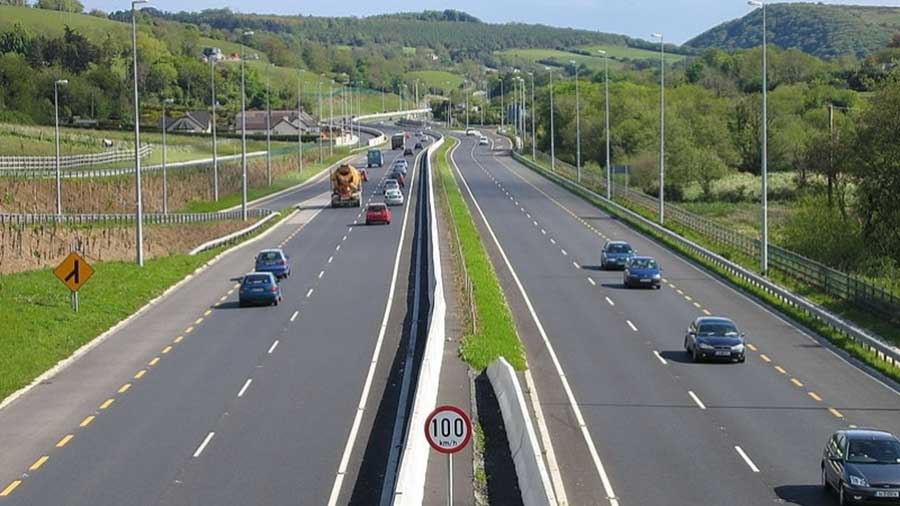
Cao tốc Phnom Penh – Sihanouvkville. Ảnh: Twitter

Trước đây, dự án này mang tên Hệ thống giao thông và hậu cần sông Bassac (BRNLS). Tại phiên họp toàn thể lần thứ 6 của Quốc hội Campuchia ngày 19-5-2023, dự án được đặt tên lại là “Kênh đào Phù Nam Techo”. 

Đây cũng là tên chính thức của kênh đào đến nay. Ngày 7-6, thủ tướng sắp mãn nhiệm Hun Sen thành lập ủy ban liên bộ nghiên cứu và thực hiện dự án gồm 37 thành viên để xem xét và tư vấn về thủ tục, khung pháp lý và đánh giá hiệu quả kinh tế nhằm thúc đẩy sự phát triển của ngành vận tải đường thủy và đường biển của Campuchia.

Tiếp tục đọc “Dự án kênh đào Phù Nam Techo: Đường ra biển của Campuchia”

Campuchia và sự trỗi dậy của một cường quốc nhỏ

NCLS – Tháng Tư 19, 2023

Thủ tướng Hun Sen, kỹ năng chính trị và kiến thức của ông là vô song. CPP

Kavi Chongkittavorn

19 Tháng Tư, 2023

Biên dịch: GaD

Đối với Samdech Akka Moha Sena Padei Techo Hun Sen [Lãnh chúa chỉ huy quân sự tối cao Hun Sen], Thủ tướng Campuchia, thời gian là tất cả. Do đó, không có gì ngạc nhiên khi nhà lãnh đạo tại vị lâu nhất thế giới gần đây đã phát tín hiệu rằng ông sẽ từ chức chính trường. Không thể tin được, phải không? Ông từng nói rằng ông sẽ nắm quyền cho đến năm 90 tuổi. Nếu ông ta không nói trực tiếp điều đó, sẽ không ai tin. Quyết định được cân nhắc cẩn thận của ông được đưa ra vào thời điểm quan trọng nhất do các điều kiện bên trong và bên ngoài hiện tại và những hậu quả lâu dài có thể xảy ra.

Quan trọng hơn, nó cũng chứng tỏ khả năng của Hun Sen vượt qua mọi cơn gió chính trị đang ập đến mình. Sức mạnh bền bỉ ấy là đặc biệt nhờ bản năng chính trị của ông – điều mà người Campuchia sẽ mô tả là “Noyubuy..Ascha Nas!” Và, nó đang lan rộng ra bên ngoài đất nước.

Tiếp tục đọc “Campuchia và sự trỗi dậy của một cường quốc nhỏ”

China Announces New ASEAN Belt & Road Initiative Projects Centered Around Cambodia

The Phnom Penh-Bavet Highway which will ultimately link the Cambodian and Vietnamese capital cities

aseanbriefing.com

The 2022 ASEAN summit took place at the Cambodian capital Phnom Penh, this past weekend, with China as an official guest. At the event, Chinese Premier Li Keqiang announced Beijing’s approval of Chinese investment in significant infrastructure projects in the ASEAN region.  

Among these is a US$1.6 billion expressway to be built from Phnom Penh to Bavet, at the Cambodian-Vietnamese border, and financial support for a rail link between Phnom Penh, Bangkok, and Vientiane, Laos, from which a high-speed rail link has already been constructed into China. 

Tiếp tục đọc “China Announces New ASEAN Belt & Road Initiative Projects Centered Around Cambodia”

The Roots of Cambodia’s Actions against Illegal Vietnamese Immigrants

ISEAS – 1-8-2022- Jing Jing Luo and Kheang Un

Since 2015, the Cambodian government has been addressing the politically and diplomatically sensitive issue of illegal Vietnamese immigrants through methods such as documentation, deportation, eviction, relocation and registration. In this picture, Cambodia’s Prime minister Hun Sen (R) and his then Vietnamese counterpart Nguyen Xuan Phuc (L) inspect the guard of honour during a welcome ceremony at the Presidential Palace in Hanoi on 4 October 2019. Photo: Nhac NGUYEN/AFP.

EXECUTIVE SUMMARY

  • Since 2015, the Cambodian government has been addressing the politically and diplomatically sensitive issue of illegal Vietnamese immigrants through methods such as documentation, deportation, eviction, relocation and registration.
  • These actions are the ruling Cambodian People’s Party’s response to the opposition Cambodia National Rescue Party’s successful politicisation of anti-Vietnamese sentiments among Cambodian voters.
  • The Cambodian government’s Vietnamese immigrant policies also serve the ecological development goal of improving Cambodian water systems, as well as beautifying and developing its urban areas.
  • Given Cambodia’s asymmetrical power relationship with Vietnam and the sensitive issue of illegal Vietnamese immigrants, the closer bond between Cambodia and China serves as an enabling factor for the Cambodian government in adopting tougher policies.
  • The Cambodian government’s measures will however neither reduce the fear held by many Cambodians of Vietnamese domination nor will they alleviate the potential diplomatic fallout.

*Jing Jing Luo is Post-Doctoral Researcher at the School of Public Affairs, Xiamen University, China. Kheang Un is Professor of Political Science at Northern Illinois University, USA.

Tiếp tục đọc “The Roots of Cambodia’s Actions against Illegal Vietnamese Immigrants”

Road to nowhere:China’s Belt and Road Initiative at tipping point

Pakistan, Sri Lanka debt crises threaten Beijing’s regional influence

asia.nikkei.com

By Adnan Aamir, Marwaan Macan-Markar, Shaun Turton and Cissy Zhou – AUGUST 10, 2022

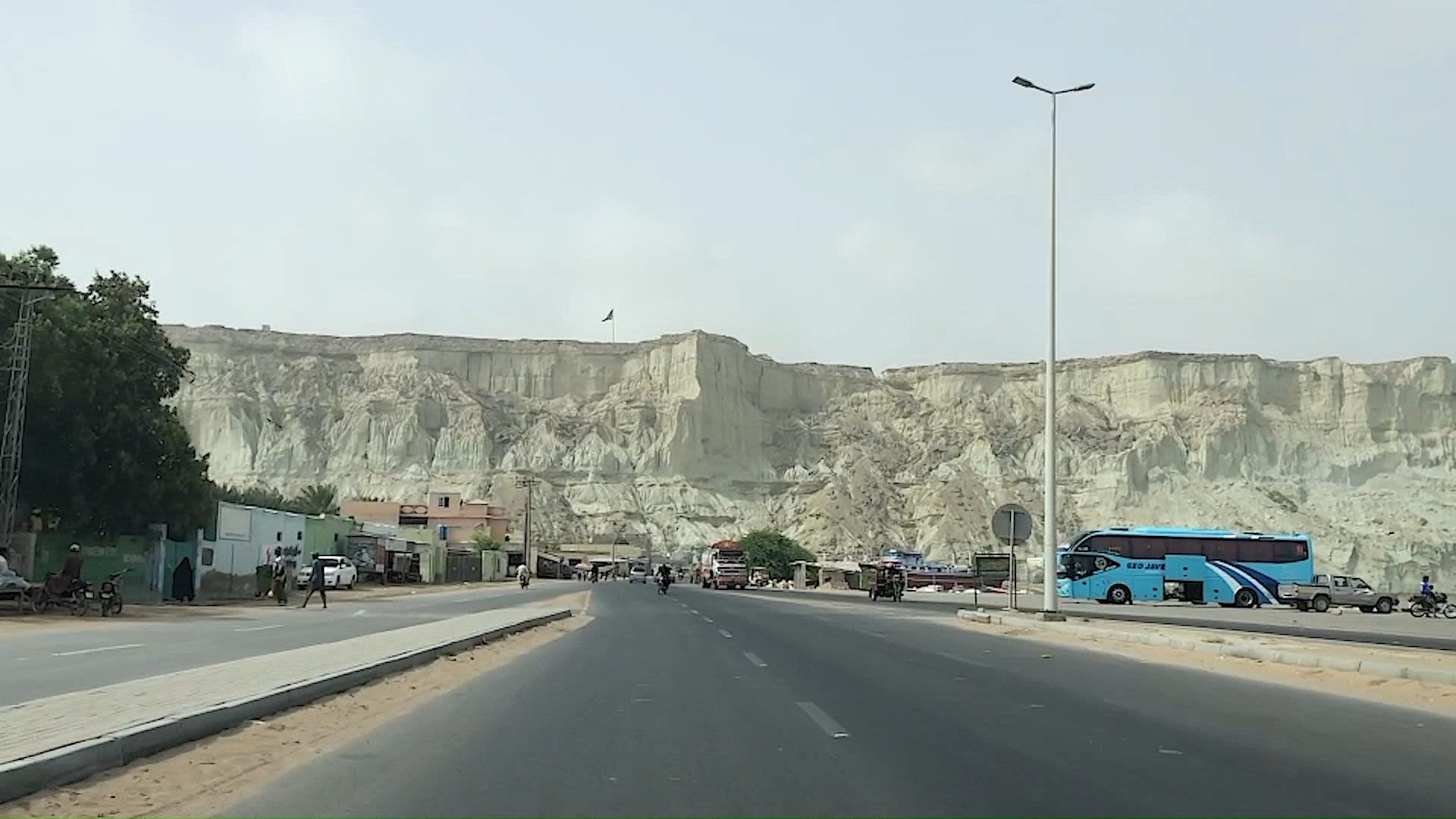
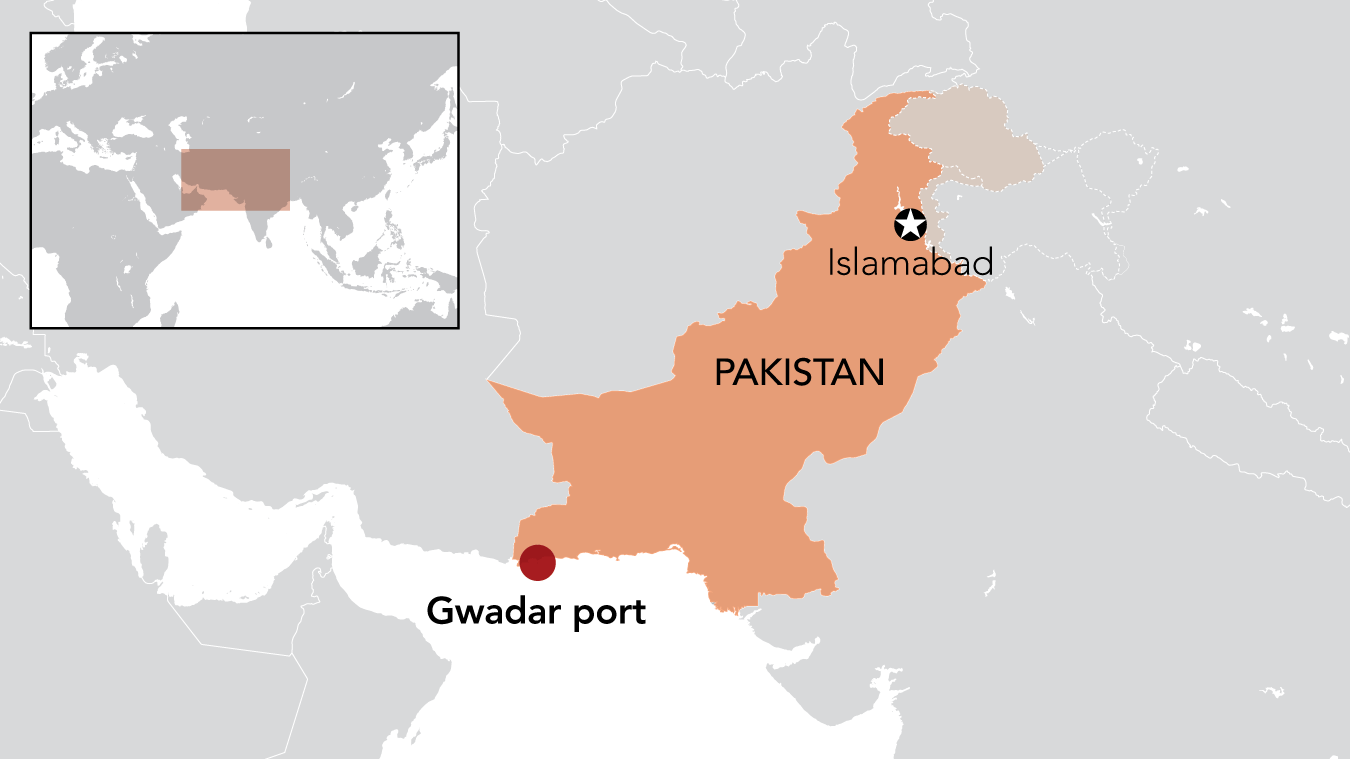
The drive to Pakistan’s port of Gwadar takes seven and a half hours from Karachi via the Makran coastal highway. Much of the 600-km route is deserted, with no restaurants, restrooms or even fuel stations. On a recent journey, around 200 vehicles in total could be counted during the entire drive.

Arriving in the city on Pakistan’s Indian Ocean coast, Chinese and Pakistani flags are ubiquitous, and Chinese-financed construction projects loom, but the city is spookily devoid of economic activity. Near the seafront, broad avenues are curiously empty of vehicles. Inside the city center, the roads are narrow, congested and covered with foul smelling drain water, with few multistory buildings aside from the Chinese-built port compound. 

It is hard to visualize Gwadar as the launch pad of a new global paradigm, but that is what Beijing would have the world believe.

Nine years ago it was plucked out of obscurity —  a backwater in Pakistan’s restive Balochistan region — and presented as China’s commercial window onto the Indian Ocean, a hub for regional integration under the Belt and Road Initiative, which was to harness the juggernaut of the Chinese economy to the goal of Asian economic development. 
 

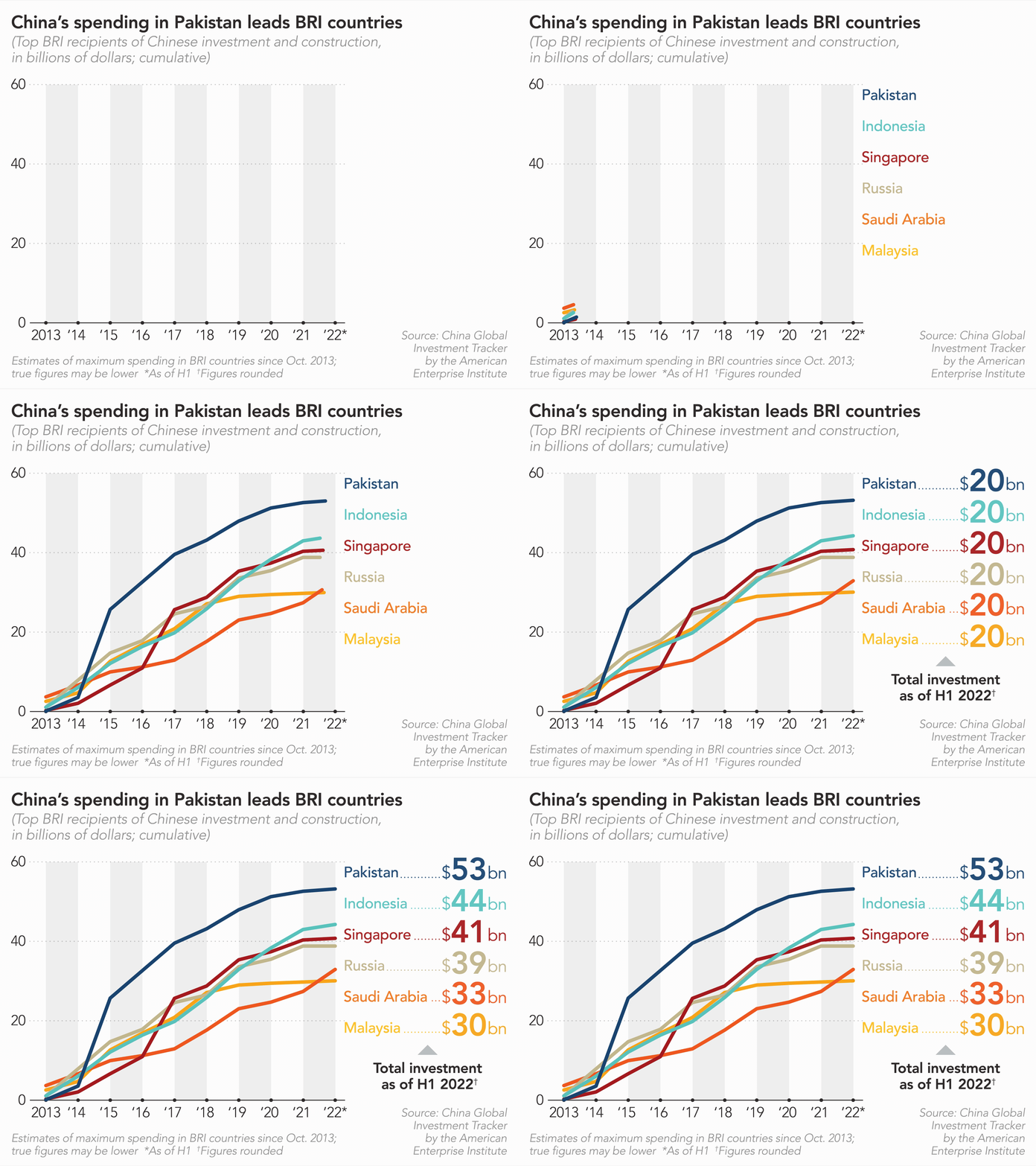
The BRI is an audacious program of lending, aid and infrastructure contracts totaling over $880 billion, according to the American Enterprise Institute.

The initiative, which includes pledges to 149 countries, aims to promote Chinese-led regional integration — and sow economic dependence on Beijing.

First announced in a speech by Chinese President Xi Jinping in 2013 as the “Silk Road,” the BRI was fleshed out in April 2015 with the announcement of the China-Pakistan Economic Corridor (CPEC), stretching from Gwadar to the Chinese city of Kashgar, in Xinjiang. The CPEC showcased the China-Pakistan “all-weather friendship” with $46 billion in pledged funds that has since grown to $50 billion. It was to be the backbone of the now renamed Belt and Road Initiative.

Tiếp tục đọc “Road to nowhere:China’s Belt and Road Initiative at tipping point”

Forced to Scam: Cambodia’s Cyber Slaves

Al Jazeera English – 15 – 7- 2022

Chinese cyber-scam operations are stealing tens of billions of dollars from victims around the world.

But few realise that thousands of those perpetrating these frauds are victims too.

Young men and women are enslaved, tortured and forced to scam in countries like Cambodia.

In an exclusive report, 101 East investigates Chinese cyber-slave syndicates operating in Cambodia and exposes the powerful and politically connected people protecting them.

Forced to Scam: Cambodia’s Cyber Slaves | 101 East Documentary

CSIS: Nhiều tàu hút cát để xây cảng nước sâu tại căn cứ Ream của Campuchia

Thanh Niên – Đông A –  22/01/2022 – 15:07

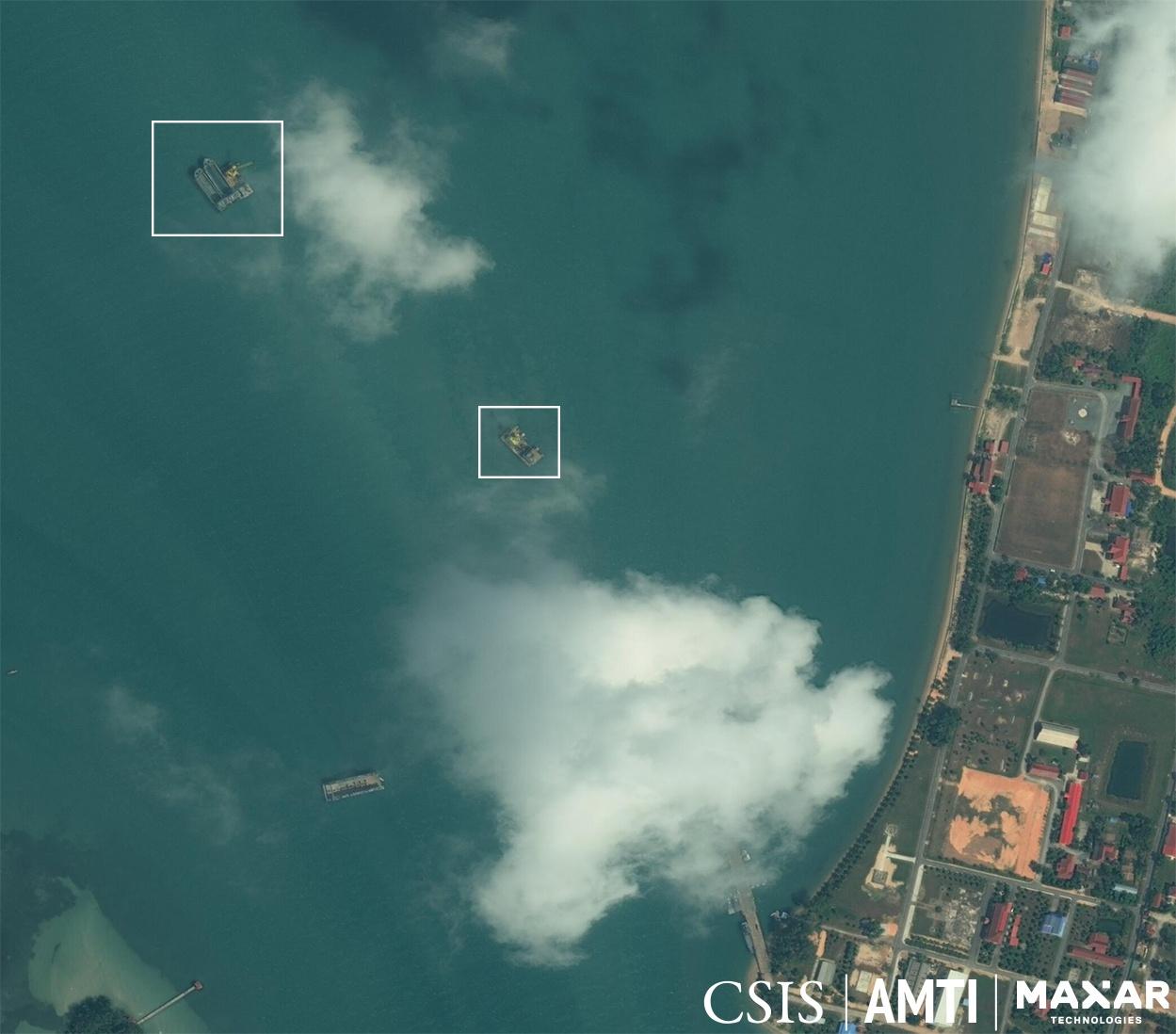
Trung tâm Nghiên cứu Chiến lược và Quốc tế (CSIS) ở Mỹ ngày 21.1 cho biết nhiều tàu hút cát đã được phát hiện ngoài khơi căn cứ hải quân Ream của Campuchia.

CSIS: Nhiều tàu hút cát để xây cảng nước sâu tại căn cứ Ream của Campuchia - ảnh 1
Ảnh vệ tinh ngày 16.1 cho thấy tàu hút cát hoạt động ngoài khơi căn cứ Ream của CampuchiaCHỤP MÀN HÌNH TWITTER

Reuters dẫn lại báo cáo Trung tâm Nghiên cứu Chiến lược và Quốc tế (CSIS) tại Mỹ đưa ra ngày 21.1 cho biết các tàu hút cát đã xuất hiện gần căn cứ Ream trong những bức ảnh chính phủ Campuchia công bố tháng này và ảnh vệ tinh thương mại.

Tiếp tục đọc “CSIS: Nhiều tàu hút cát để xây cảng nước sâu tại căn cứ Ream của Campuchia”

Campuchia: 30 năm nhìn lại

DANH ĐỨC 13/12/2021 6:00 GMT+7

TTCTThứ năm 14-11-1991, Hoàng thân Sihanouk hồi loan từ Bắc Kinh, cùng theo ông có hoàng tử Ranariddh. Chủ nhật 5-12-2021 vừa rồi, hoàng tử hồi hương từ Paris trong một quan tài, sau nhiều năm dài xa xứ. Cũng tuần rồi, Thủ tướng Hun Sen giới thiệu con trai cả là ứng viên thủ tướng thay ông. Trong 30 năm qua, Campuchia thay đổi chính thể, triều đại, nền kinh tế, song có một thứ không thay đổi: quan hệ với Trung Quốc.

9h sáng thứ hai 6-12-2021, báo Khmer Times hoan hỉ đăng tin: “Đại sứ Trung Quốc tại Campuchia Vương Văn Thiên cho biết dự kiến Campuchia sẽ sản xuất vắc xin Covid-19 vào năm tới”. Số là ông đại sứ sáng đầu tuần ấy dự lễ khánh thành một con đường ở tỉnh Prey Veng, nhân tiện báo tin tốt lành đó.

Ông Hun Sen (phải) và đại sứ Trung Quốc Vương Văn Thiên. Ảnh: AFP

Tiếp tục đọc “Campuchia: 30 năm nhìn lại”