US President Donald Trump has made South America a priority for his administration, citing concerns about China’s growing influence in the region. Through Beijing’s Belt and Road Initiative, China has invested heavily in major projects in the region, particularly related to lithium reserves, transport and energy infrastructure. As a result, China has replaced the US as South America’s main trading partner over the past two decades. Early into his second term, Trump attempted to strong-arm control back in the US’ favour by threatening to seize the Panama Canal away from China’s growing influence. However, experts suggest his methods will not be enough to turn the momentum, as China’s flexible business approach and significant investments have reshaped the continent’s landscape.
The Belt and Road Initiative wasn’t a sinister plot. It was a blueprint for what every nation needs in an age of uncertainty and disruption.
JANUARY 20, 2024, 5:46 AM
By Parag Khanna, the founder and CEO of Climate Alpha. FP
An aerial view shows stranded ships dotting bright blue water as they wait to cross the narrow Suez Canal seen in the distance at its southern entrance in the Red Sea.
Over the past two months, a sudden surge in Houthi rebel attacks in the strategic Bab el-Mandeb Strait connecting the Red Sea to the Arabian Sea prompted the world’s largest shipping carriers to halt transit through the Suez Canal for several weeks—with even more rerouting their vessels as the United States and Britain launched strikes on Yemen and the situation has escalated.
TTCT – Tham vọng tiến ra biển của Campuchia đã có người giúp, đó là Trung Quốc, với một dự án cực kỳ tham vọng.
Hôm 17-10, tại thủ đô Phnom Penh của Campuchia, Ủy ban liên bộ Campuchia do Phó thủ tướng Sun Chanthol đứng đầu đã ký kết thỏa thuận với đại diện Tổng công ty Cầu đường Trung Quốc (CRBC) về dự thảo khung xây dựng kênh đào nối ra biển Phù Nam Techo.
Thỏa thuận này sẽ cho phép CRBC tiến hành nghiên cứu chuyên sâu về tất cả các khía cạnh của dự án trong vòng 8 tháng. Dự án kênh đào Phù Nam Techo ước tính sẽ tiêu tốn khoảng 1,7 tỉ USD và mất 4 năm để hoàn thành.
Đây là dự án cơ sở hạ tầng lớn đầu tiên của Campuchia kết nối sông Mekong với đường biển, nhằm mở rộng tiềm năng vận tải biển của đất nước chùa tháp.
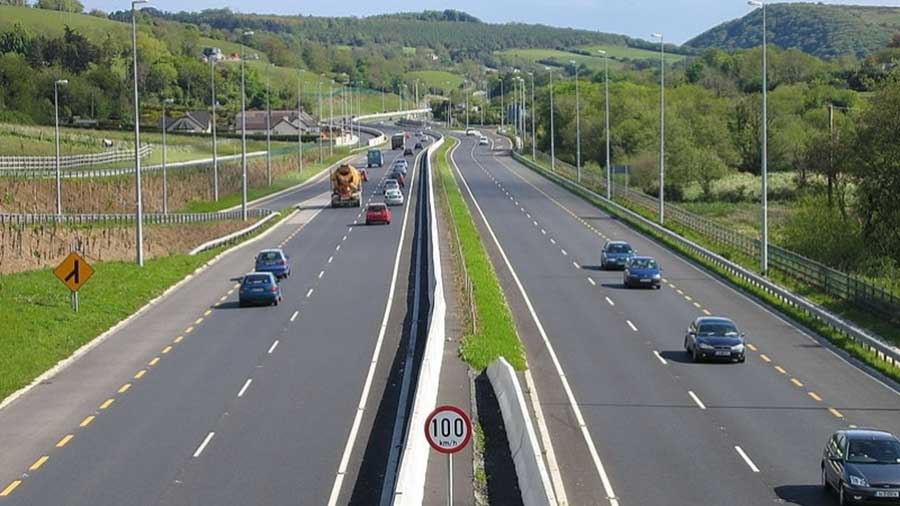
Cao tốc Phnom Penh – Sihanouvkville. Ảnh: Twitter
Trước đây, dự án này mang tên Hệ thống giao thông và hậu cần sông Bassac (BRNLS). Tại phiên họp toàn thể lần thứ 6 của Quốc hội Campuchia ngày 19-5-2023, dự án được đặt tên lại là “Kênh đào Phù Nam Techo”.
Đây cũng là tên chính thức của kênh đào đến nay. Ngày 7-6, thủ tướng sắp mãn nhiệm Hun Sen thành lập ủy ban liên bộ nghiên cứu và thực hiện dự án gồm 37 thành viên để xem xét và tư vấn về thủ tục, khung pháp lý và đánh giá hiệu quả kinh tế nhằm thúc đẩy sự phát triển của ngành vận tải đường thủy và đường biển của Campuchia.
A decade ago, China launched the Belt and Road Initiative (BRI), an ambitious effort to finance infrastructure around the world. Since then, Chinese investments made through the BRI have become an integral part of the global infrastructure landscape — particularly in developing countries — with estimates of $1 trillion or more invested across 152 countries.
Unfortunately, the first 10 years of the BRI were dominated by fossil fuel investment, with $52 billion invested in coal power alone according to the China Overseas Finance Inventory.
But the next decade could look very different: At the 2021 UN General Assembly, China announced it would cease building new coal plants abroad and instead step up investment in renewable energy, a commitment reiterated by President Xi Jinping at the latest BRI summit in October 2023.
China’s Belt And Road: Future Opportunities For Singapore? | Singapore & The BRI | Full Episode
CNA Insider -20-10-2023
2023 marks the 10th anniversary of China’s Belt and Road Initiative. As the BRI continues to evolve, opportunities for Singapore remain in the areas of infrastructure expertise and legal services and are emerging in green innovations, green financing sectors. In the next decade, how can Singapore continue to tap on its strengths as a global trading, innovation, financial and legal hub to forge its own paths in the BRI?
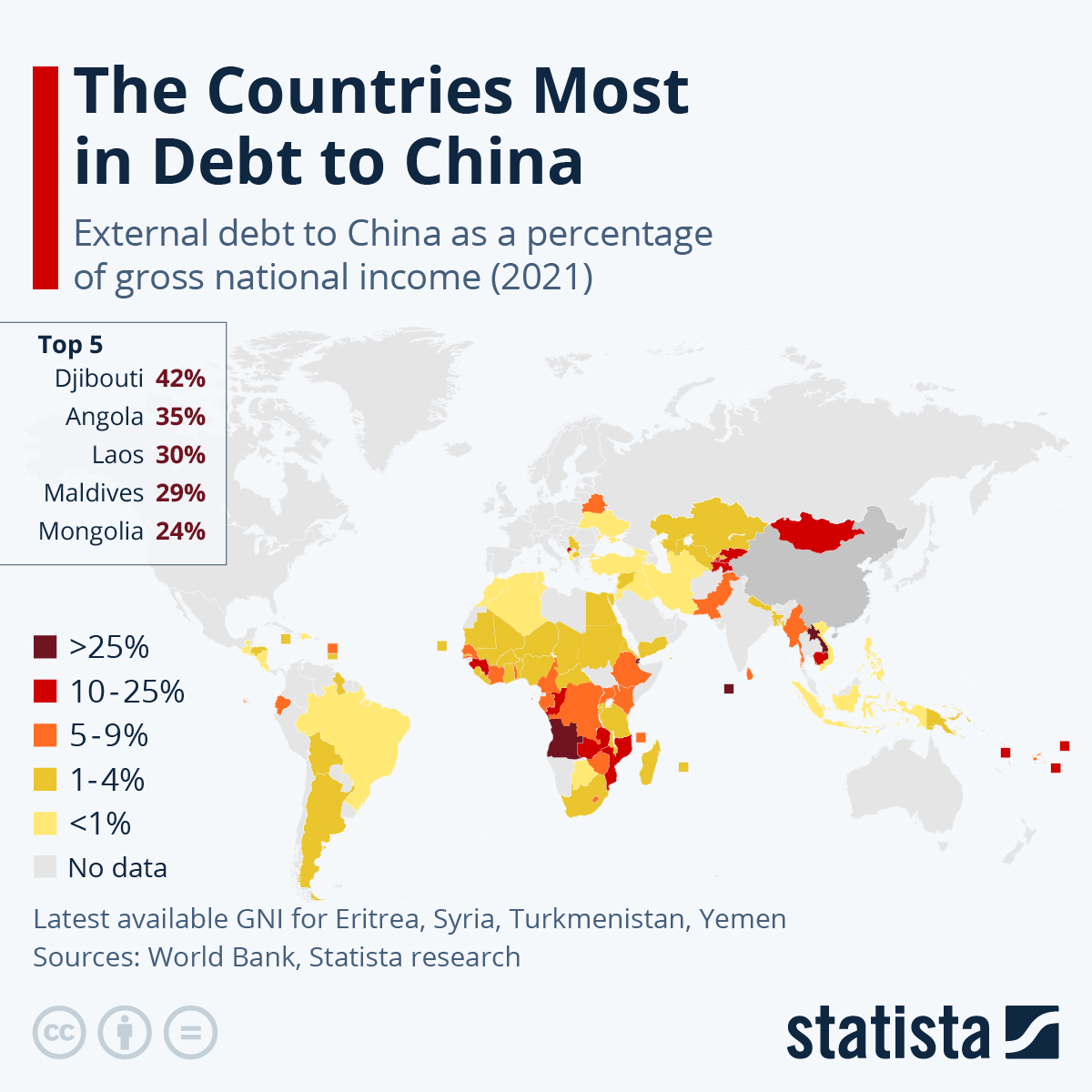
DESCRIPTION This chart shows global debt levels cause by direct loans from China (as percentage of GDP) in 2021.
According to World Bank data analyzed by Statista, countries heavily in debt to China are mostly located in Africa, but can also be found in Central Asia, Southeast Asia and the Pacific. As the new preferred lender to low-income countries, China held 37 percent of these nations’ debt in 2020. Just 24 percent of the countries’ bilateral debt comes from the rest of the world that year.
The “New Silk Road” project, which finances the construction of port, rail and land infrastructure across the globe, has created much debt to China for participating countries. At the end of 2021, of the 98 countries for whom data was available, Pakistan ($27.4 billion of external debt to China), Angola (22.0 billion), Ethiopia (7.4 billion), Kenya (7.4 billion) and Sri Lanka (7.2 billion) held the biggest debts to China. The countries with the biggest debt burdens in relative terms were Djibouti and Angola, followed by the Maldives and Laos, which opened a debt-laden railway line to China last year. The President of the World Bank, David Malpass, has called the level of debt many countries once again hold “unsustainable”.
Chinese loans have higher interest rates than those from international institutions like the International Monetary Fund or The World Bank or bilateral loans from Paris Club countries, and also have shorter repayment windows. Their setup is closer to commercial loans concerning their conditions of repayment, confidentiality as well as their objectives of funding specific infrastructure projects instead of pursuing development goals in general.
The Covid-19 pandemic has complicated the already difficult repayment of Chinese loans even more. According to the Financial Times, the country had to renegotiate loans worth $52 billion in 2020 and 2021 – more than three times the amount that met this fate in the two previous years. One such case was Sri Lanka – also among China’s biggest debtors – which in 2022 was the first Asian country in two decades to default on its debt.
It is the 10th year of the Belt and Road Initiative (BRI). From Central and Southeast Asia to the Middle East and Africa, how has China’s mega infrastructure project changed the world? In this retrospective on the 10th anniversary of the BRI, Insight looks at the developments in Asia and Africa that have sprung from China’s marquee project. From growing trade links to environmental impacts to political influence, the BRI has undeniably changed the region. But with growing economic headwinds and a flagging Chinese economy, will Beijing continue to invest in the BRI? What will the next decade bring?
Building an Open, Inclusive and Interconnected World For Common Development
2023-10-18 12:42
Keynote Speech by H.E. Xi Jinping
President of the People’s Republic of China
At the Opening Ceremony
Of the Third Belt and Road Forum for International Cooperation
October 18, 2023
Your Excellencies Heads of State and Government, Heads of International Organizations, Representatives of Various Countries, Distinguished Guests, Ladies and Gentlemen, Friends,
Today, we are meeting here for the opening ceremony of the Third Belt and Road Forum for International Cooperation (BRF). On behalf of the Chinese government and Chinese people and in my own name, I wish to extend a very warm welcome to you all!
This year marks the 10th anniversary of the Belt and Road Initiative (BRI) I proposed. The BRI, drawing inspiration from the ancient Silk Road and focusing on enhancing connectivity, aims to enhance policy, infrastructure, trade, financial and people-to-people connectivity, inject new impetus into the global economy, create new opportunities for global development, and build a new platform for international economic cooperation.
DUISBURG, Germany — Suad Durakovic, the owner of a truck driving school on the outskirts of the western German city of Duisburg, made it into Chinese newspapers in 2019 by testifying that Beijing’s Belt and Road Initiative had triggered a local logistics industry boom.
Today, his business benefits from a shortage of qualified truckers, but not because of China’s global infrastructure development strategy.
“The Silk Road has not developed for us,” Durakovic told Nikkei Asia. “First it was COVID, then it was the Ukraine war, so the boom is no longer about Silk Road logistics.”
Duisburg, a city of half a million people, is located in Germany’s industrial heartland at the junction of the Rhine and Ruhr rivers. A downturn in the country’s steel and coal industries in the 1990s and early 2000s battered its economy.
But the city found a savior in Chinese President Xi Jinping, who visited Duisburg in 2014 to officially make its inland port Europe’s main Belt and Road hub. While this fueled anticipation of a new heyday, recent events suggest the prospects are dimming.
Much of this stems from the Ukraine war and Germany’s awkward relationship with China.
Chancellor Olaf Scholz was the first European leader to visit Beijing since Xi secured a third term as party leader at the Communist Party Congress in October. But German attitudes have soured recently over China’s cozy relationship with Russia, Taiwan and human rights, as well as its growing trade deficit with the world’s second-biggest economy.
The 2022 ASEAN summit took place at the Cambodian capital Phnom Penh, this past weekend, with China as an official guest. At the event, Chinese Premier Li Keqiang announced Beijing’s approval of Chinese investment in significant infrastructure projects in the ASEAN region.
Among these is a US$1.6 billion expressway to be built from Phnom Penh to Bavet, at the Cambodian-Vietnamese border, and financial support for a rail link between Phnom Penh, Bangkok, and Vientiane, Laos, from which a high-speed rail link has already been constructed into China.
Laos will be hard-pressed to meet its external debt obligations. Photo: Faceboo
Laos’ public debt could climb to nearly 95% of GDP by the end of 2022, making it one of the most heavily indebted and mostly likely to default nations in Asia, according to World Bank estimates published this month
Significantly, the World Bank’s already dire debt figures do not encompass all of the small Southeast Asian nation’s liabilities.
Asia Times’ reporting and analysisshow that Laos’ total debt, including other publicly guaranteed liabilities not included in headline figures, could take the state’s total financial obligations well over 100% of GDP for the first time ever this year. And that’s only the debt officially recognized by the Lao government.
By Adnan Aamir, Marwaan Macan-Markar, Shaun Turton and Cissy Zhou – AUGUST 10, 2022
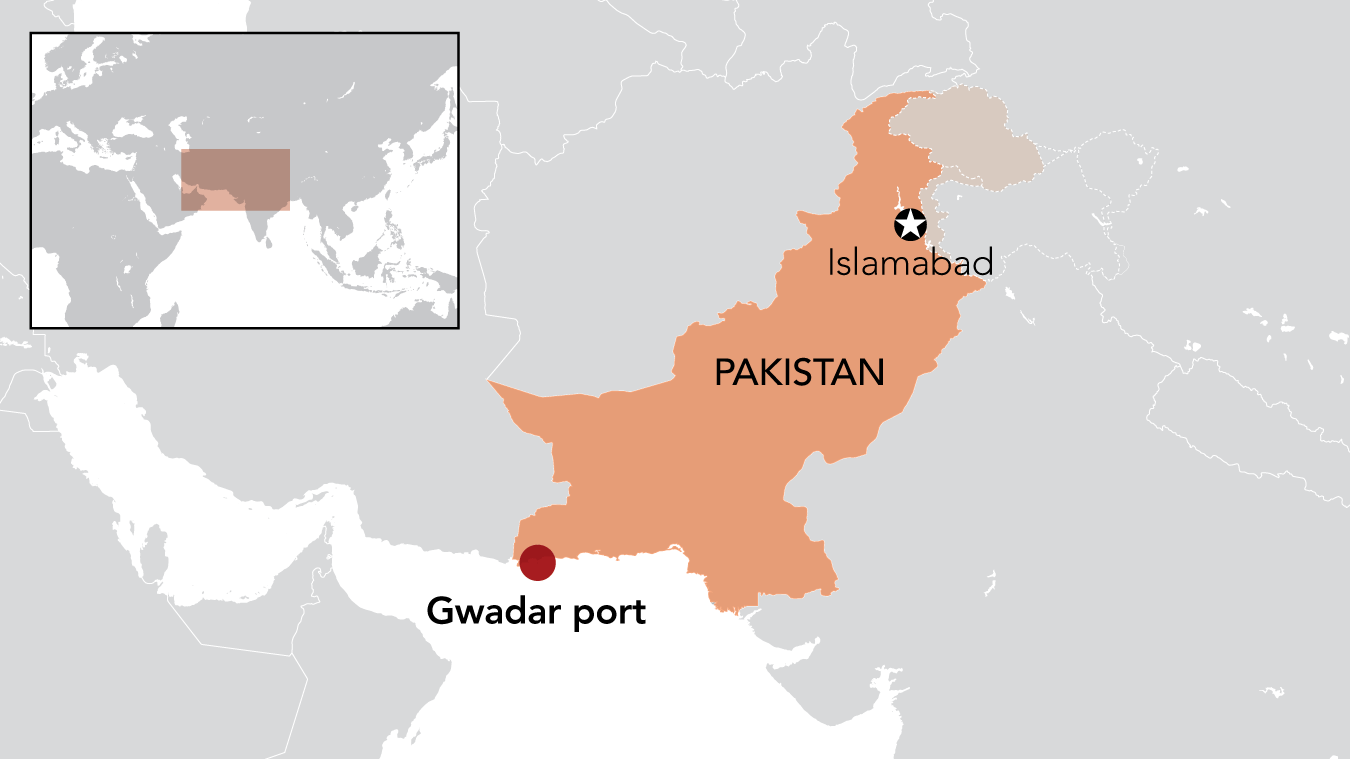
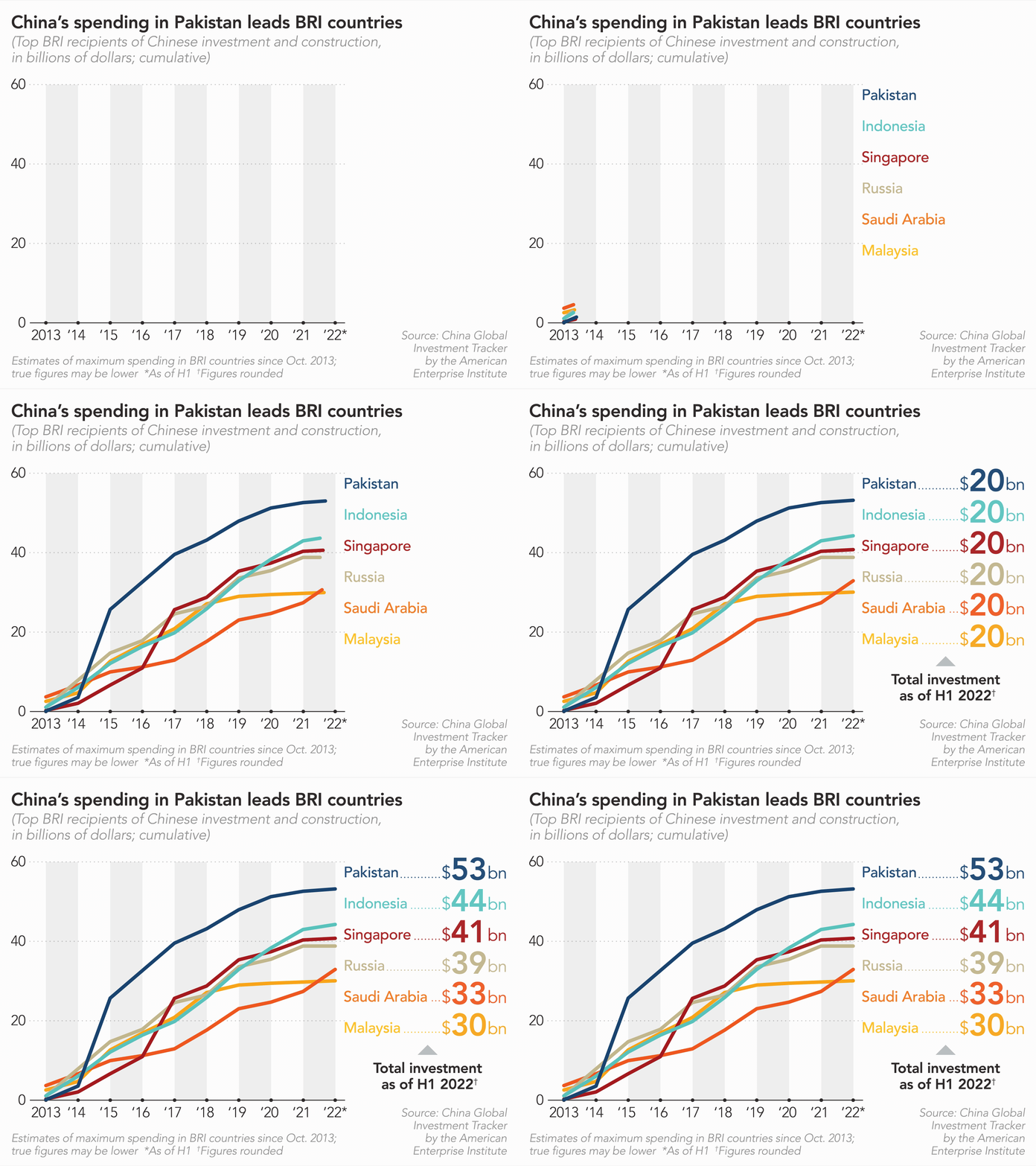
The drive to Pakistan’s port of Gwadar takes seven and a half hours from Karachi via the Makran coastal highway. Much of the 600-km route is deserted, with no restaurants, restrooms or even fuel stations. On a recent journey, around 200 vehicles in total could be counted during the entire drive.
Arriving in the city on Pakistan’s Indian Ocean coast, Chinese and Pakistani flags are ubiquitous, and Chinese-financed construction projects loom, but the city is spookily devoid of economic activity. Near the seafront, broad avenues are curiously empty of vehicles. Inside the city center, the roads are narrow, congested and covered with foul smelling drain water, with few multistory buildings aside from the Chinese-built port compound.
It is hard to visualize Gwadar as the launch pad of a new global paradigm, but that is what Beijing would have the world believe.
Nine years ago it was plucked out of obscurity — a backwater in Pakistan’s restive Balochistan region — and presented as China’s commercial window onto the Indian Ocean, a hub for regional integration under the Belt and Road Initiative, which was to harness the juggernaut of the Chinese economy to the goal of Asian economic development.
The BRI is an audacious program of lending, aid and infrastructure contracts totaling over $880 billion, according to the American Enterprise Institute.
The initiative, which includes pledges to 149 countries, aims to promote Chinese-led regional integration — and sow economic dependence on Beijing.
First announced in a speech by Chinese President Xi Jinping in 2013 as the “Silk Road,” the BRI was fleshed out in April 2015 with the announcement of the China-Pakistan Economic Corridor (CPEC), stretching from Gwadar to the Chinese city of Kashgar, in Xinjiang. The CPEC showcased the China-Pakistan “all-weather friendship” with $46 billion in pledged funds that has since grown to $50 billion. It was to be the backbone of the now renamed Belt and Road Initiative.
While the G7 group of nations (Canada, France, Germany, Italy, Japan, the United Kingdom, and the United States together with the European Union) has been meeting in Germany, the BRICS nations (Brazil, Russia, India, China, and South Africa) have been meeting in China for the 14th Summit. The contrasts could not be more different – one the grouping of mainly white, powerful Western nations, representing contemporary global leadership, the other a grouping of globally powerful emerging markets wanting a larger say in the developing world. The BRICS nations differ from the G7 in two main factors, most notably in the populations they serve – 3 billion as opposed to the G7’s 987 million (including the EU), and GDP, where the G7’s GDP is currently US$33.93 trillion and the BRICS about US$23.5 trillion.
Western economists as a result tend to talk up the G7’s role in global financial strength however the growth rates of both the G7 and BRICS predicted by the IMF suggest that the latter could be responsible for 50% of all global trade by the 2030’s. This means that paying attention to the BRICS consensus leads to some direction over how the global economy is likely to change over the next decade.
At present, the G7 appear determined to continue with the existing world order, which China and Russia in particular view as ‘unipolar’, meaning centered around the United States and directed by whatever US foreign, global and domestic policies are at the time. Both countries (and others) are looking for a more inclusive role in global affairs as befits their status. China for example is the world’s second largest economy, and India the fifth. Yet neither have the percentage say in global financial institutions such as the World Bank and IMF they would like – hence the development of alternative policy banks such as the Asian Infrastructure Investment Bank and the BRICS own New Development Bank. There are also accusations that global institutions such as the United Nations (based in New York) has begun to be too influenced by Washington’s policies than global ones. Calls for reform are increasingly being heard.
NEW YORK — Welcome to Nikkei Asia’s podcast: Asia Stream.
Every week, Asia Stream tracks and analyzes the Indo-Pacific with a mix of interviews and original reporting by our correspondents from across the globe.




 Laos will be hard-pressed to meet its external debt obligations. Photo: Faceboo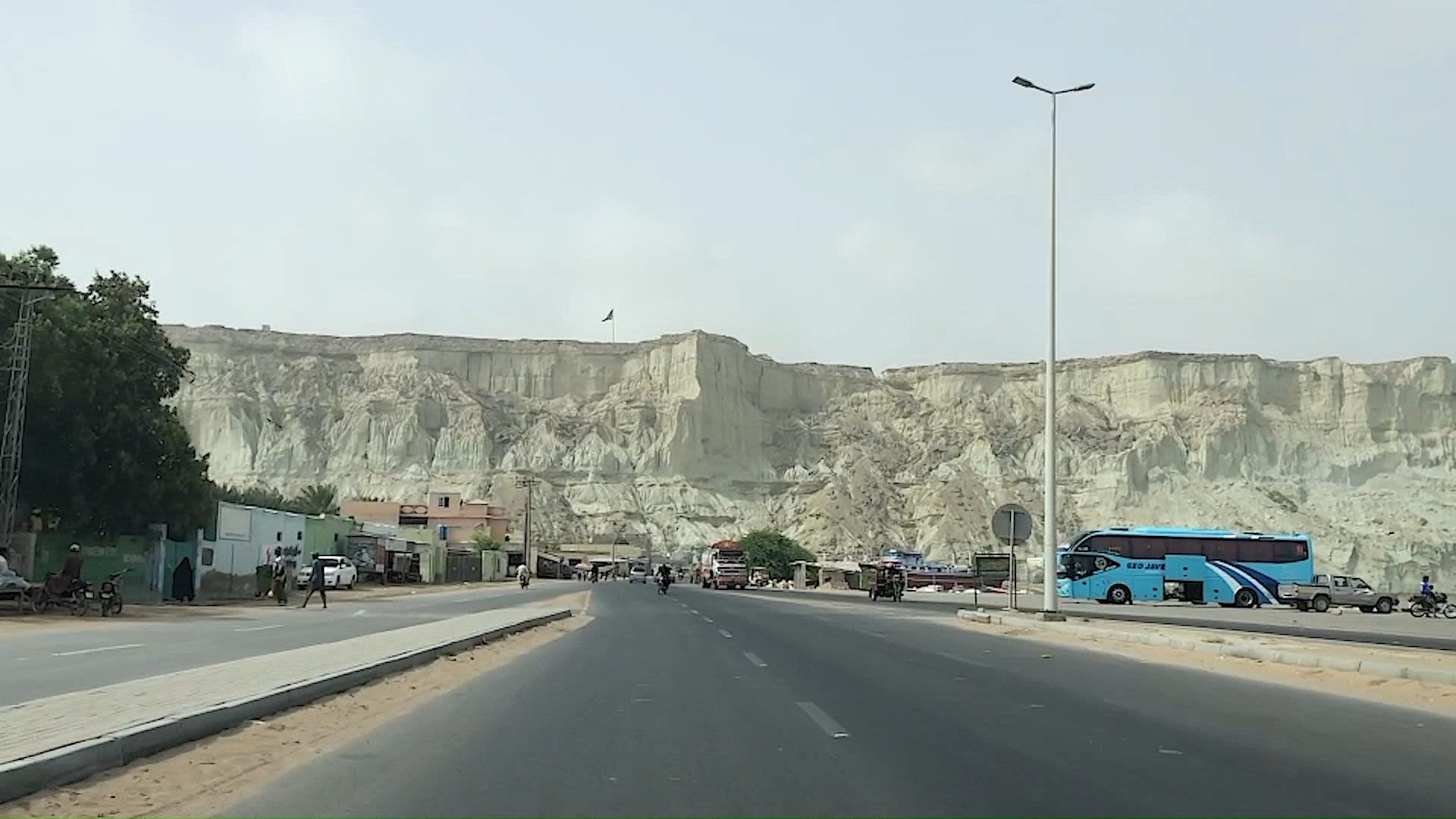


 CVD
CVD 