
Imagine the escalating conflict between the US, Israel and Iran unfolding in a world powered mostly by wind, solar and batteries rather than oil and gas.
In today’s fossil-fuelled economy, markets react to Iran’s attacks on oil and gas facilities in the Gulf and the threat to close the strait of Hormuz. Oil prices jump. Governments brace for inflation. Around a fifth of the world’s traded oil passes through the narrow corridor, linking the Gulf states to the wider world. When tensions rise there, energy markets react instantly.
But in a world where most energy is generated domestically from renewables, would the same threat trigger the same global shock? Would instability in the Gulf still lead to more expensive food and fuel across the world? Or would the economic aftershocks look very different?
To understand what’s at stake, we need to first look at how today’s energy system is structured.

A system built on chokepoints
For about a century, the global economy has depended on fossil fuels produced by a few producers in the Middle East. Chokepoints like the strait of Hormuz carry enormous strategic weight.
Tiếp tục đọc “How would the Iran crisis play out in a world powered by renewables not fossil fuels?”

 Tam Dao 03 oil rig off Vietnam’s eastern coast. Photo by VnExpress/Quoc Huy.Vietnam’s crude oil export is plunging, partly because of depleting resources. An industrialist says the situation can only improve after new fields come online in several years.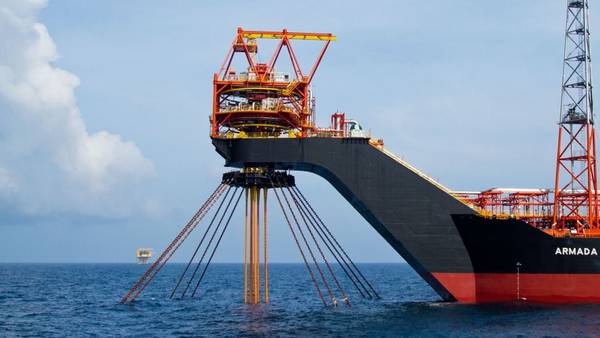


 CVD
CVD 