World leaders and global organisations meet in Paris
Agreement for development banks to boost lending
Rich nations close in on $100 bln climate finance pledge
U.S., China adopt conciliatory tone on debt relief
PARIS, June 23 (Reuters) – Multilateral development banks like the World Bank are expected to find $200 billion in extra firepower for low-income economies by taking on more risk, a move that may require wealthy nations to inject more cash, world leaders said on Friday.
The leaders, gathered at a summit in Paris to thrash out funding for the climate transition and post-COVID debt burdens of poor countries, said their plans would secure billions of dollars of matching investment from the private sector.
It understands the value of education and manages its teachers well
They’re on the ball image: alamy
Jun 29th 2023 | SINGAPORE
Ho chi minh, the founding father of Vietnam, was clear about the route to development. “For the sake of ten years’ benefit, we must plant trees. For the sake of a hundred years’ benefit, we must cultivate the people,” was a bromide he liked to trot out. Yet despite years of rapid economic growth, the country’s gdp per person is still only $3,760, lower than in its regional peers, Malaysia and Thailand, and barely enough to make the average Vietnamese feel well-nurtured. Still, Ho Chi Minh was alluding to a Chinese proverb extolling the benefits of education, and on that front Vietnam’s people can have few complaints.
Their children go through one of the best schooling systems in the world, a status reflected in outstanding performances in international assessments of reading, maths and science. The latest data from the World Bank show that, on aggregate learning scores, Vietnamese students outperform not only their counterparts in Malaysia and Thailand but also those in Britain and Canada, countries more than six times richer. Even in Vietnam itself, student scores do not exhibit the scale of inequality so common elsewhere between the genders and different regions.
A child’s propensity to learn is the result of several factors—many of which begin at home with parents and the environment they grow up in. But that is not enough to explain Vietnam’s stellar performance. Its distinctive secret lies in the classroom: its children learn more at school, especially in the early years.
In a study in 2020, Abhijeet Singh of the Stockholm School of Economics gauged the greater productivity of Vietnam’s schools by examining data from identical tests taken by students in Ethiopia, India, Peru and Vietnam. He showed that between the ages of five and eight Vietnamese children race ahead. One more year of education in Vietnam increases the probability that a child can solve a simple multiplication problem by 21 percentage points; in India the uplift is six points.
A Kashmiri man cools off at a stream on a hot summer day on the outskirts of Srinagar, Indian controlled Kashmir, Tuesday, July 4, 2023. The entire planet sweltered for the two unofficial hottest days in human recordkeeping Monday and Tuesday, according to University of Maine scientists at the Climate Reanalyzer project. The unofficial heat records come after months of unusually hot conditions due to climate change and a strong El Nino event. (AP Photo/Mukhtar Khan)
This handout image provided by Greece’s coast guard on June 14 shows scores of people on a battered fishing boat that later capsized and sank off southern Greece, drowning hundreds of migrants.
Hellenic Coast Guard via AP
Many around the world closely followed the plight last week of five wealthy men who went missing aboard a Titanic-bound submersible. Meanwhile, researchers at the United Nations’ International Organization for Migration (IOM) updated the number of migrants who have died trying to reach Europe by sea this year: nearly 2,000.
The number of people who lose their lives each year in the crossing is staggering, and this year is on track to be worse than the last. Here are some of the reasons why this year has become so deadly:
Hundreds died aboard the Adriana
According to IOM data, at least 1,999 migrants died between January 1 and June 26 of this year, mostly from drowning. In the same period last year, 1,358 died. These tallies include those who died in the three major routes across the Mediterranean, as well as at the Atlantic route from West Africa.
One enormous tragedy accounts for a large portion of the uptick: the capsizing of the fishing boat Adriana two weeks ago in deep waters off the coast of Greece. The boat had departed Libya crammed with hundreds of people. When it capsized, it took the lives of most of the migrants on board, and IOM estimates the number who perished at 596.
Migrants from Eritrea, Libya and Sudan crowd the deck of a wooden boat as they wait to be assisted by aid workers of the Spanish NGO Open Arms, in the Mediterranean sea about 30 miles north of Libya, on June 17.
Joan Mateu Parra/AP
More people are attempting the crossing
Another factor is that the overall number of migrants attempting to cross the Mediterranean is higher than it was last year.
Sponsor Message
Italy in particular has seen a significant increase in the number of migrants arriving: more than 60,000 so far this year, compared with fewer than 27,000 at this point last year. IOM estimates that the total arrivals of migrants by sea to Mediterranean Europe are more than 82,000 this year, compared to fewer than 49,000 by this time last year.
Many of the migrant boats are aiming for the tiny Italian island of Lampedusa, which sits about halfway between Tunisia and Sicily. Two flows of migrants are now arriving at Lampedusa: those from Tunisia and those from Libya.Last week, 37 migrants went missing after their boat capsized between Tunisia and Lampedusa.
Migrants are traveling on boats not made for high seas
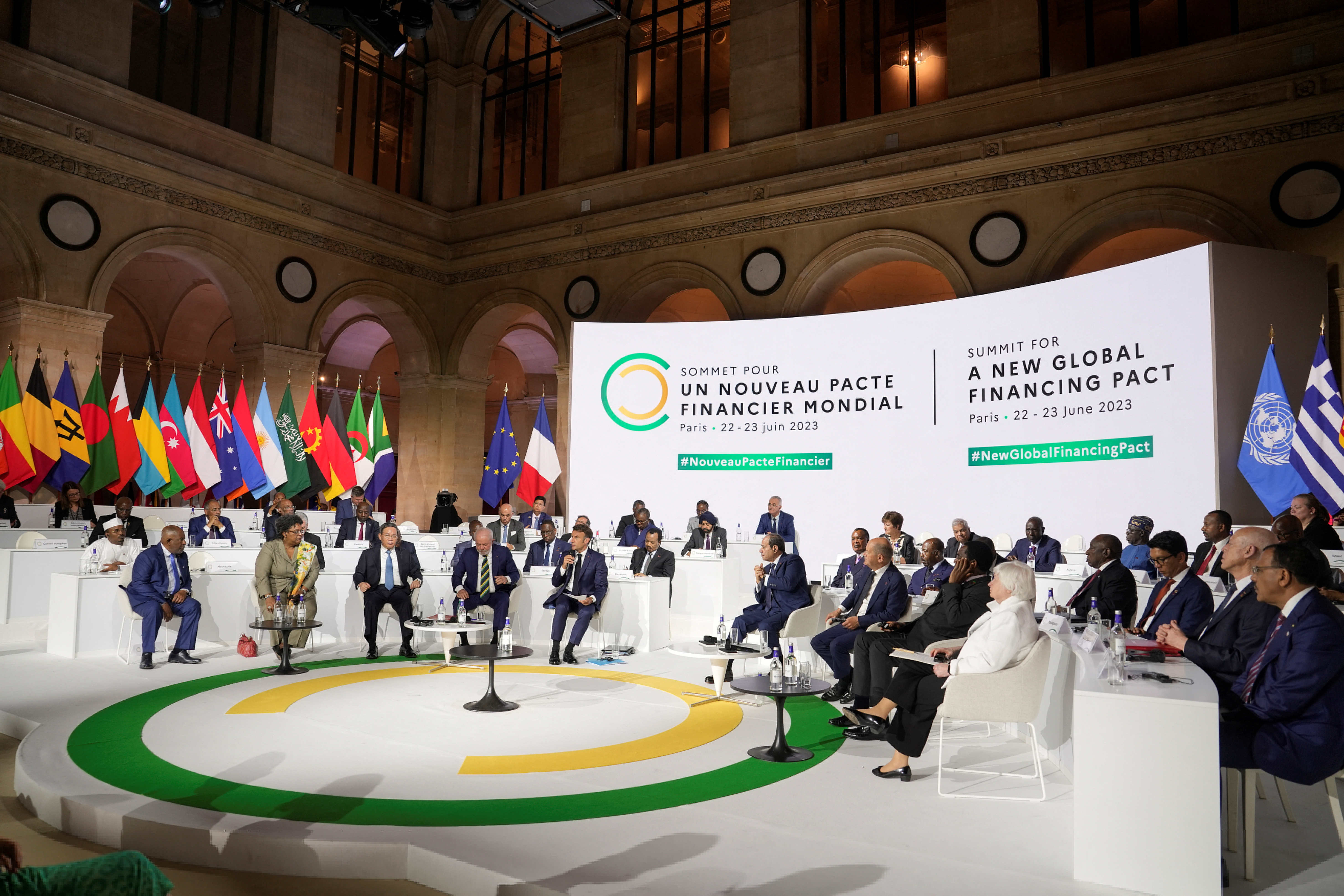
World leaders and finance bosses attend the closing session of the New Global Financial Pact Summit, Friday, June 23, 2023 in Paris, France. The aim of the two-day climate and finance summit was to set up concrete measures to help poor and developing countries whose predicaments have been worsened by the devastating effects of the COVID-19 pandemic and the war in Ukraine better tackle poverty and climate change. Lewis Joly/Pool via REUTERS
Summary
Roadmap for genuine change’ -Barbados’ Persaud
Eyes on IMO meet as shipping tax idea gathers steam
Critics say summit fell short of world’s needs
PARIS, June 23 (Reuters) – A Paris summit to discuss reforming the world’s financial system scored some notable wins that should tee up greater action before climate talks later this year, though some participants were disappointed with progress to address poorer states’ debt.
The Summit for a New Global Financing Pact saw French President Macron host around 40 leaders, many from the Global South, to debate changes to multilateral finance institutions in the face of climate change and other development challenges.
Much of the discussion centred on the key requests of developing nations, framed through the “Bridgetown Initiative” led by Barbados leader Mia Mottley, and her adviser Avinash Persaud said he was pleased with the outcome of the talks.
“It’s a roadmap for genuine change,” he told Reuters on the sidelines of the talks. “What’s emerged here is a real … understanding of the scale and pace of what is required.”
Among the highlights were confirmation that the richer world will likely hit a long-overdue target of providing $100 billion annually in climate finance to poorer countries, a long-delayed debt deal for Zambia, and a package to boost Senegal’s renewable energy capacity.
The World Bank and others also said they would start adding clauses to lending terms that allow vulnerable states to suspend debt repayments when natural disaster strikes.
Yet it was the wording of the final statement from attendees and subtle changes in the tone of discussions behind the scenes that gave hope to Persaud that even greater change was coming.
Specifically, for the first time, the document acknowledged the potential need for richer countries to provide fresh money to multilateral development institutions like the World Bank. This came alongside a plan to draw on more of their current assets, to the tune of $200 billion over 10 years.
Another first was in the explicit target for multilateral development banks to leverage “at least” $100 billion a year in private sector capital when they lend.
A reference was also made to finding “new avenues for international taxation”, as well as other Bridgetown Initiative requests including offering investors foreign exchange guarantees.
“That was widely discussed here and (there’s) lots of support behind an initiative that’s happening outside of Paris, at the International Maritime Organisation in a couple weeks time, on a levy on shipping emissions,” Persaud added.
Still, the summit was not without its critics.
“Unfortunately, the Paris Summit has not provided the breakthrough needed to find the funding for our planet’s survival,” Teresa Anderson, Global Lead on Climate Justice for ActionAid International, said, pointing to new funding pledges being loans or temporary debt relief instead of grants.
All eyes now turn to more traditional events later in the year, including the International Monetary Fund and World Bank annual meetings, a G20 meeting in September and the COP28 climate talks in Dubai.
Persaud said his focus would be on making sure the plan to scale up multilateral development bank lending was in place by the time of annual meetings in October, and that pilot work began on reducing the cost of capital for developing countries.
The summit, held against a backdrop of criticism that the world is moving far too slowly to address climate change, was a success in that it delivered a roadmap requiring specific actions by specific dates, some observers said.
“They’ve got a clear timetable of what they want to see happen and it’s that timeline that puts the pressure on and means that it’s harder to just kick things into the long grass,” said Sonia Dunlop from think tank E3G.
Reporting by Simon Jessop, Leigh Thomas and Tommy Reggiori Wilkes, editing by Mark Heinrich
The 1% of Vietnamese households without electricity rely on decentralized, micro renewable systems for power supply. Are such innovations sustainable?
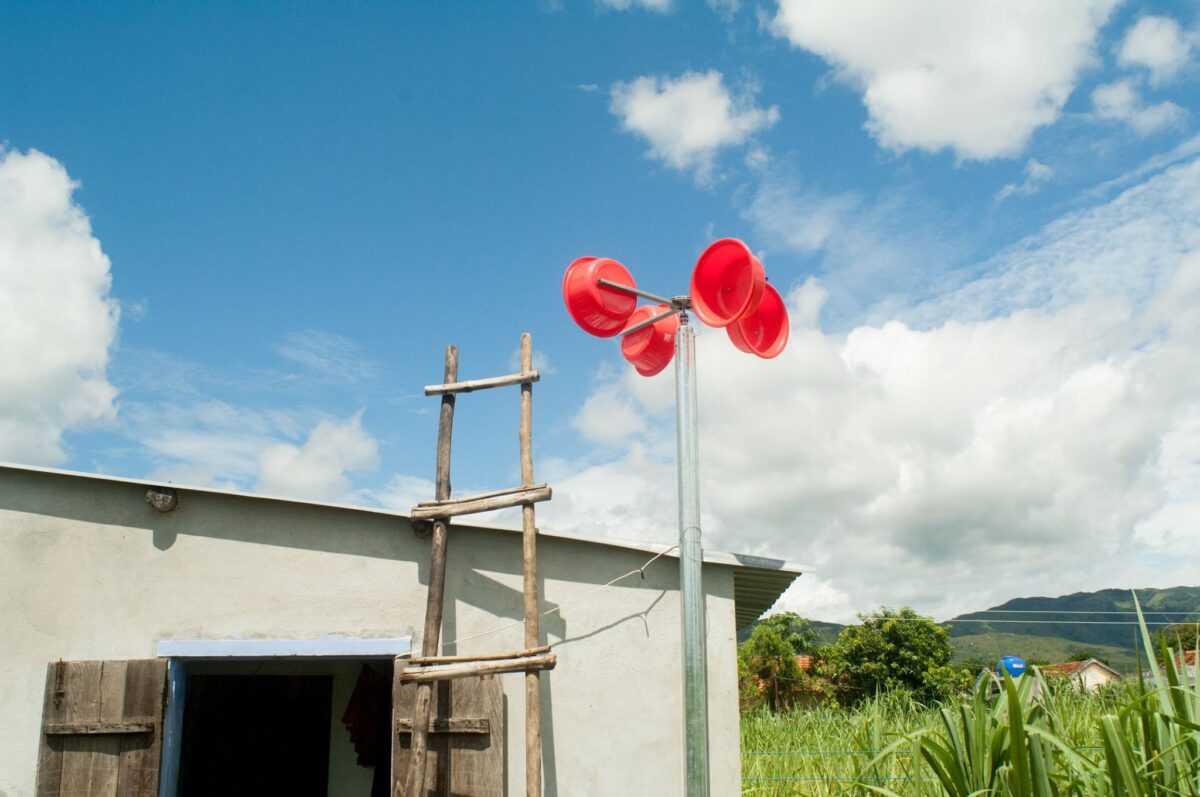
A mini wind turbine set up in the countryside of Vietnam. PHOTO: 1516 energy
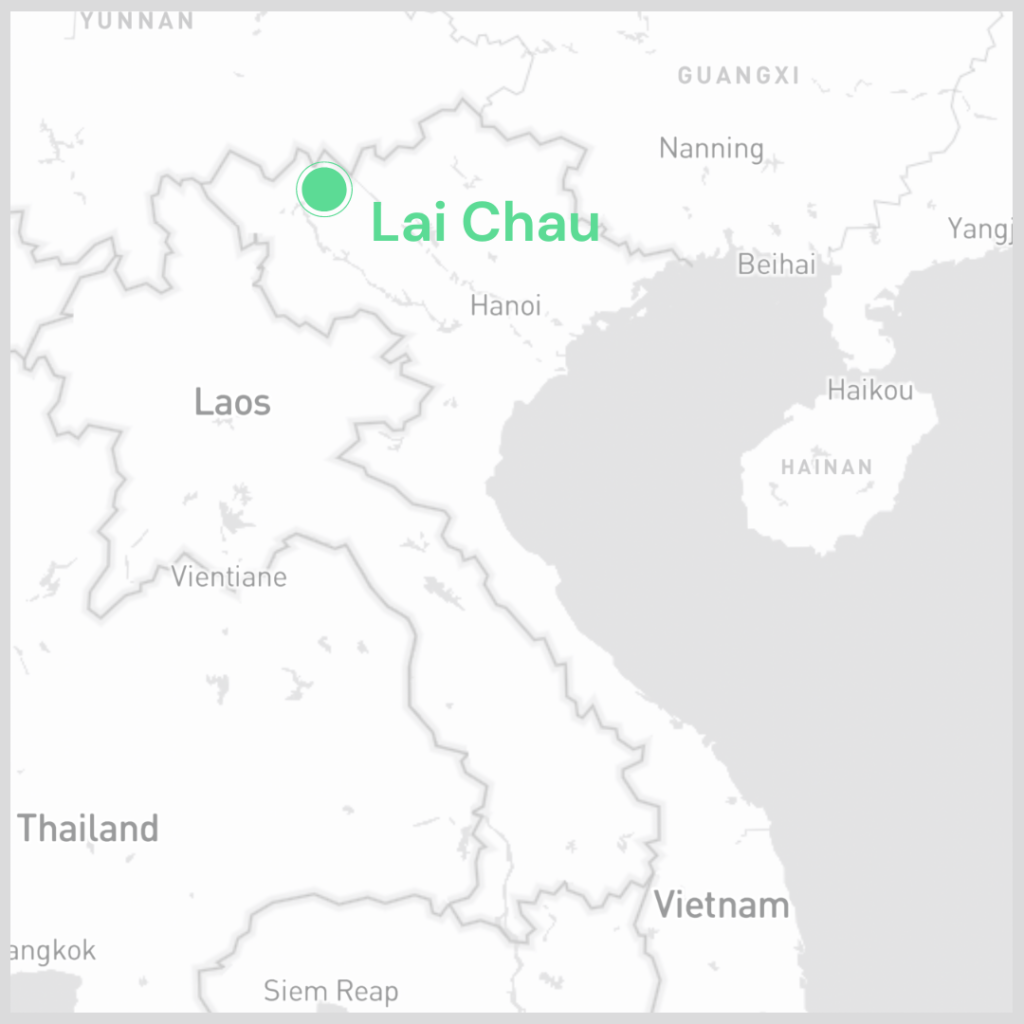
LAI CHAU, VIETNAM – In November 2019, teachers and students at the Pa U elementary boarding school in Muong Te district in Vietnam’s Lai Chau province had electricity for the first time.
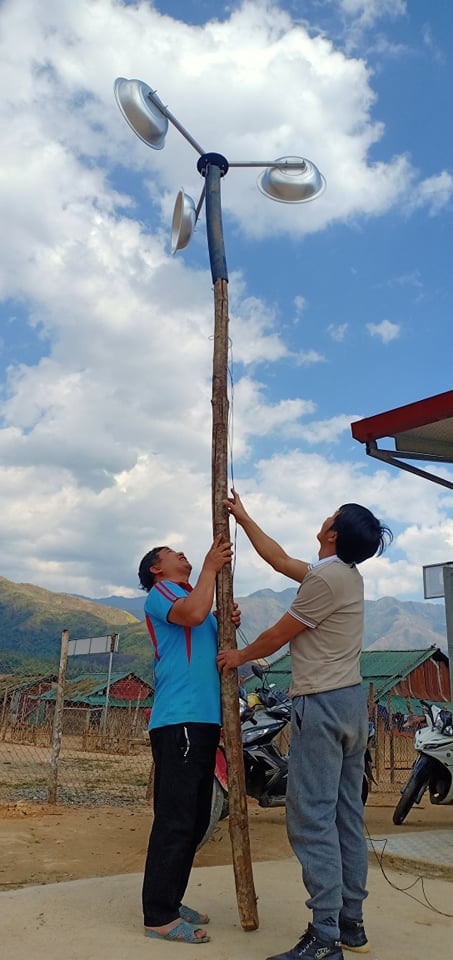
The power came from a rudimentary micro wind turbine system, which was sold and delivered to the school by a local startup named 1516 and assembled by the teachers.
The setup was simple: aluminum tubs affixed to a sturdy wooden rod, linked to a sun box that contains a charge controller, a solar battery and an inverter to generate electricity.
Source: Mapbox
“The children were so excited to see those turbines in action,” recalled teacher Bui Thi Minh Khuyen. Despite a limited output that can only sustain the school’s energy needs until 10pm, the new power supply has made a vast difference.
Pa U schoolteachers assemble a wind turbine. PHOTO: 1516 energy
Previously, the school only had light bulbs powered by cheap solar panels imported from China. Fans, radios, TVs, phones and laptops were luxuries the school could not power.
Climate Nearing Point of No Return: Land & Sea Temperatures Break Records (Photo Source: Pixabay)
Climate experts are sounding the alarm as the target of keeping long-term global warming within 1.5 degrees Celsius (2.7 Fahrenheit) appears to be slipping away. Despite months of unprecedented heat on both land and sea, nations have failed to set more ambitious goals in the fight against climate change.
According to the EU-funded Copernicus Climate Change Service (C3S), average global surface air temperatures were more than 1.5 degrees Celsius above pre-industrial levels for several days in early June, coinciding with the gathering of envoys in Bonn to prepare for this year’s annual climate talks in November. While temperatures have breached the 1.5-degree threshold temporarily in the past, this was the first time it occurred during the northern hemisphere summer, which began on June 1. Additionally, sea temperatures have broken records in April and May.
North and South: French president Emmanuel Macron greets Barbadian prime minister Mia Mottley, whose Bridgetown Initiative inspired this week’s New Global Financing Pact Summit in Paris. Ludovic Marin/AFP via Getty Images
SHARE
When world leaders meet for their much-vaunted “summits,” what do they actually do? The question was posed by last week’s meeting in Beijing between US secretary of state Anthony Blinken and Chinese president Xi Jinping. The meeting lasted a whole thirty-five minutes. It was barely long enough to exchange diplomatic pleasantries, let alone to make progress on the various areas of US–China rivalry, in the South China Sea, on trade, technology and Ukraine. The actual negotiations had clearly happened elsewhere. The summit was mainly an exercise in symbolism: a handshake for the cameras and a carefully worded communique for the record.
Debt-for-climate swaps allow countries to reduce their debt obligations in exchange for a commitment to finance domestic climate projects with the freed-up financial resources.
Barbados Prime Minister Mia Amor Mottley spoke passionately to the United Nations General Assembly in September about the mounting debt many developing countries are shouldering and its increasing impact on their ability to thrive.
The average debt for low- and middle-income countries, excluding China, reached 42% of their gross national income in 2020, up from 26% in 2011. For countries in Latin America and the Caribbean, the annual payments just to service that debt averaged 30% of their total exports.
At the same time, these countries are facing a “triple crisis of climate change, of pandemic and indeed now the conflict that is leading to the inflationary pressures that lead regrettably to people taking circumstances into their own hands,” Mottley said.
Rising borrowing costs coupled with high inflation and slow economic growth have left developing countries like hers in a difficult position when it comes to climate change. High debt payments mean countries have fewer resources for mitigating and adapting to climate change. Yet climate change is increasing their vulnerability, and that can raise their sovereign risk, increasing the cost of borrowing. Declining productive capacity and tax base can lead to higher debt risks. It’s a vicious cycle.
EVN mua điện từ nhiều nguồn như thủy điện, nhiệt điện than, điện gió, điện mặt trời, tuabin khí, nhập khẩu. Trong đó, thủy điện đang có giá rẻ nhất, còn nhiệt điện than lại rất đắt do giá than cao.
Điện than đang đắt lên
Thông tin từ Tập đoàn Điện lực Việt Nam (EVN) cho thấy, giá mua điện bình quân các loại hình nguồn trong 3 tháng đầu năm 2023 là 1.844,9 đồng/kWh. Đây là thời điểm giá bán điện vẫn ở mức 1.864,44 đồng/kWh. Như vậy, giá mua điện của EVN gần ngang bằng với giá bán điện của tập đoàn này khi chưa được điều chỉnh tăng.
Nếu cộng thêm các chi phí khác như phân phối, truyền tải, dịch vụ phụ trợ, điều độ… thì giá điện mua vào sẽ cao hơn giá bán ra.
Biểu đồ dưới đây cho thấy nhiệt điện than có giá lên tới gần 2.000 đồng/kWh. Nguyên nhân là giá than vẫn duy trì ở mức cao.
Ngoài ra, EVN còn mua gián tiếp trên thị trường điện. Mức giá cụ thể như biểu đồ dưới đây cho thấy giá điện than cũng lên tới hơn 2.100 đồng/kWh.
Nam Thủy Bắc Điều – tham vọng chuyển nước nhiều tranh cãi của Trung Quốc
Nam Thủy Bắc Điều là đại dự án đưa nước từ các con sông miền nam tới miền bắc khô hạn của Trung Quốc, nhưng gây nhiều tranh cãi về môi trường.
Sơ đồ các tuyến dẫn nước trong dự án Nam Thủy Bắc Điều. Nguồn dữ liệu: Global Times
Hãng thông tấn Xinhua của Trung Quốc cho biết dự án Nam Thủy Bắc Điều, hệ thống vận chuyển nước lớn nhất thế giới, đưa nước từ miền nam lên miền bắc Trung Quốc xuyên qua lòng sông Hoàng Hà, được thử nghiệm thành công ngày 25/8. Đợt thử nghiệm được tiến hành nhằm đánh giá quá trình vận hành toàn bộ 155 đơn vị và đưa toàn bộ đại dự án vào hoạt động.
Một học sinh cấp 3 tại Hà Nội sau khi được một huấn luyện viên thể hình (PT) cho một chiếc “bánh lười” – loại bánh trộn cần sa đã mang về… chia cho các bạn cùng sử dụng. Hậu quả, một nhóm học sinh đã bị ngộ độc ngay sau đó.
Thứ sáu, ngày 07/04/2023
“Nước vui”, “bùa lưỡi”, “bột dâu”, “bột xoài” với hình thức bắt mắt dễ dàng qua mặt lực lượng chức năng. (Ảnh: Cơ quan chức năng cung cấp)
Đây chỉ là một trong những thí dụ không hề hiếm gặp cho thấy ma túy “thế hệ mới” đã và đang xâm nhập vào học đường hiện nay.
Nguy hiểm rình rập học đường
Theo thống kê của Bộ Công an vào tháng 6/2022, 60% số người sử dụng trái phép chất ma túy lần đầu ở độ tuổi từ 15-25 tuổi, trong đó nhiều người đang là học sinh, sinh viên. Người nghiện ma túy đang có xu hướng ngày càng trẻ hóa đặt ra không ít thách thức cho công tác phòng, chống ma túy cũng như cai nghiện.
Một điều tra viên lâu năm trong lĩnh vực phòng, chống tội phạm ma túy chia sẻ, bản thân anh đã từng chứng kiến nhiều vụ việc “dở khóc, dở cười”.
“Chúng tôi từng nhận được thông tin về việc một nữ học sinh cấp 3 được huấn luyện viên thể hình đưa cho một chiếc bánh lười (loại bánh tẩm cần sa-PV). Tuy nhiên, cô bé không sử dụng ngay mà mang về… chia cho các bạn cùng lớp ăn cùng. Kết quả, cả nhóm học sinh đều bị ngộ độc và phải đưa đi cấp cứu”, điều tra viên kể lại.
Ma túy tổng hợp cơ quan chức năng thu giữ. (Ảnh: Cơ quan công an cung cấp)
Các đối tượng tội phạm về ma túy thường lợi dụng tâm sinh lý của học sinh, sinh viên nói riêng; giới trẻ nói chung để lôi kéo, dụ dỗ.
By Ryan Wiser, Andrew Mills, Todd Levin, Audun Botterud
The impacts of wind and solar on wholesale power markets in the United States have been limited so far. However, the impact will change as the penetration of variable renewable energy (VRE) increases.
Wholesale power prices and the composition and operation of the bulk power system in the United States have witnessed changes in recent years, and concern has grown in some quarters about the effects of VRE on these trends. The U.S. Department of Energy’s “Staff Report to the Secretary on Electricity Markets and Reliability” addressed this concern, but within a much broader context. The study focused on thermal-plant retirements and reliability, and placed a spotlight not only on growth in VRE but also on the effects of other contemporaneous trends such as declining natural gas prices, limited load growth, and regulatory pressures.
As input into the DOE Staff Report, Lawrence Berkeley National Laboratory and Argonne National Laboratory prepared a study (recently made available publicly, here) that focused on the degree to which growth in VRE has impacted wholesale power prices and bulk power system assets to date and how this may change in the future. In the noted report, we did not analyze impacts on specific power plants, instead focusing on national and regional trends. The issues addressed are highly context-dependent, and analyzing the impacts of VRE is complex. Nonetheless, while more analysis is warranted—including additional location-specific assessments—several high-level findings emerged from our study.








 CVD
CVD 