
Jul 30, 2025 #AJStartHere #CubanMissileCrisis #IsraelIranTensions
Israel and the US – both nuclear-armed states – recently attacked Iran. They said it was to prevent Iran getting a nuclear weapon, something Iran denies it’s trying to do.
What determines which countries can, and can’t, have nuclear weapons? And are we seeing a new nuclear race?
Chapters:
01:09 – How the Cuban Missile Crisis led to a new nuclear order.
01:58 – The Nuclear Non-Proliferation Treaty (NPT) and the nine nuclear-armed states.
04:49 – The key factors that affect a country’s calculation on nukes.
05:47 – Security: do nuclear weapons make a country more, or less, safe?
07:22 – The US nuclear umbrella – can it still be trusted?
08:10 – Do nuclear weapons enhance a country’s status?
09:40 – What’s going on with Iran?
14:32 – Who gets to police the global nuclear order?
14:52 – How the nine nuclear-armed states are increasing their spending on nukes.

 President Donald Trump speaks to the media before boarding Marine One on January 9, 2026. The day before, the President told New York Times reporters, “If it expires, it expires,” referring to New START—the last remaining bilateral nuclear arms control treaty between Washington and Moscow, which expires on February 5. (Photo: White House/Molly Riley)
 Photojournalist Yoshito Matsushige, in front of the first image he took at Miyuki-bashi Bridge, a little over two hours after the United States dropped a nuclear bomb on Hiroshima. He took a total of 5 images, the only recorded evidence of that day that changed history. (Photo by John van Hasselt/Corbis via Getty Images)Share

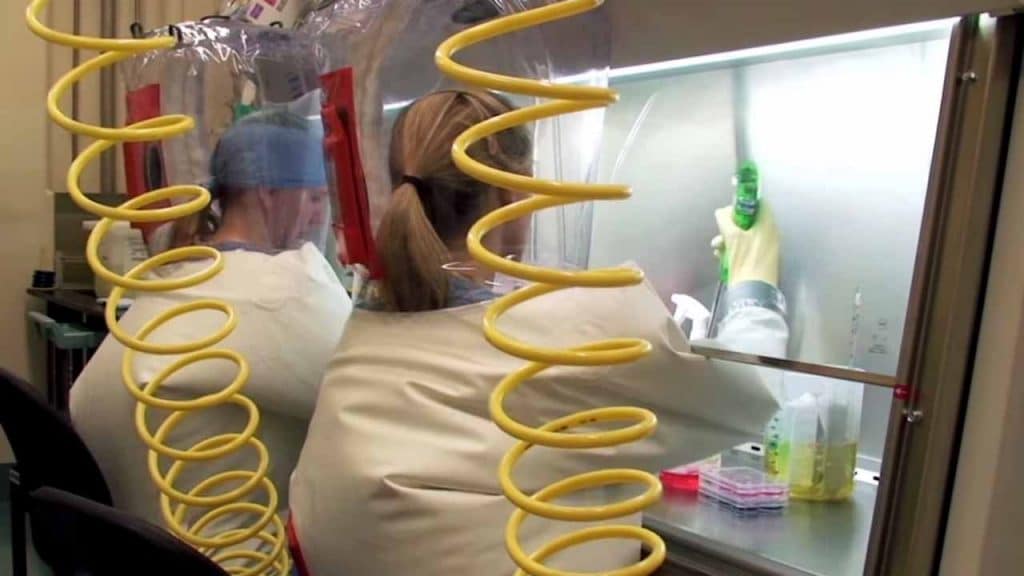 Researchers wearing positive pressure personnel suits at a US National Institute of Allergy and Infectious Diseases biosafety level 4 lab. Credit: National Institute of Allergy and Infectious Diseases.
 By
By 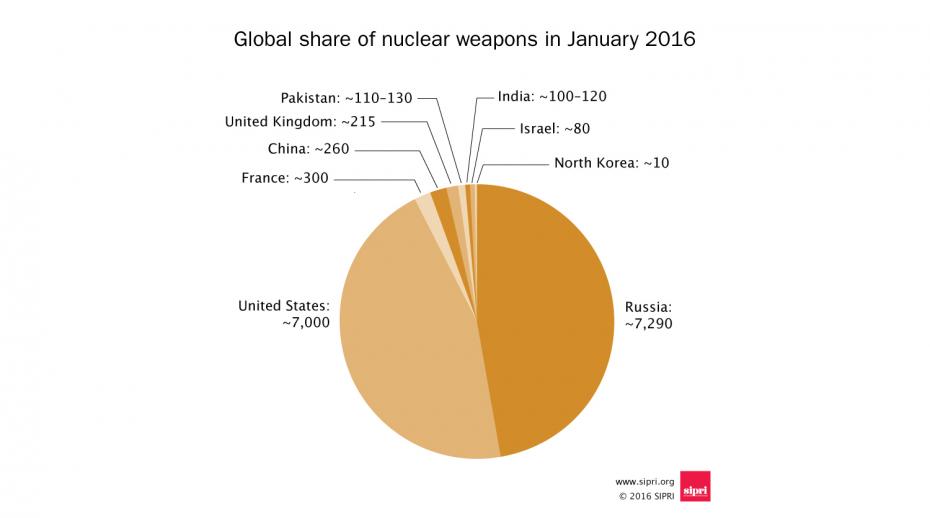
 CVD
CVD 