I am chief admin, author and translator of DCN System, which includes dotchuoinon.com (the only Vietnamese-language website devoted exclusively to positive thinking), cvdvn.net (Conversations on Vietnam Development), and a number of related forums and Facebook pages.
I am also legal assistant to attorney Trần Đình Hoành in legal cases involving Vietnam.
I am studying and teaching the Bible and Buddhism. I am a Biotechnology Engineering graduate from Hue University of Sciences. I love living with nature. I practice the Energy Training exercise system for health, and enjoy gardening and life beauty as a hobby.
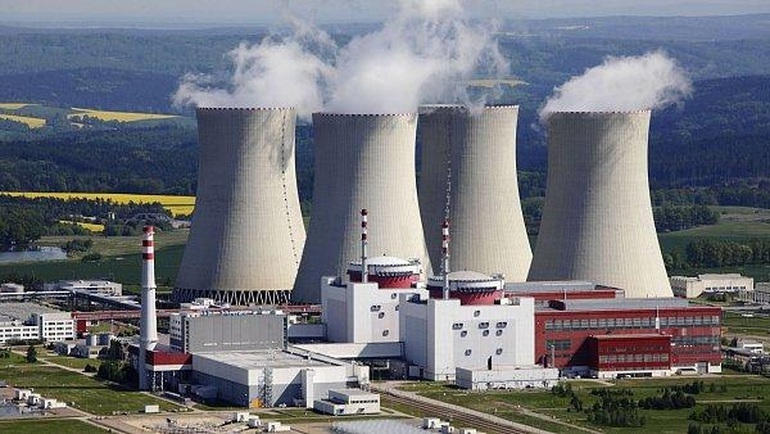
Vấn đề điện hạt nhân tiếp tục được đề cập tại kỳ họp Quốc hội vừa qua. Theo Ủy ban Kinh tế, với lộ trình giảm phát thải tiến tới đạt mức phát thải ròng bằng 0 vào năm 2050, đây là lĩnh vực cần được nghiên cứu, xem xét trong quá trình phát triển giai đoạn tiếp theo.
Quốc hội nước ta đã phê duyệt chủ trương xây dựng nhà máy điện hạt nhân Ninh Thuận năm 2009 và Thủ tướng đã phê duyệt quy hoạch 8 địa điểm xây dựng các nhà máy. Năm 2016 vì các lý do khách quan, Quốc hội ban hành nghị quyết dừng thực hiện dự án này. 8 địa điểm đã được quy hoạch trong quyết định của Thủ tướng, trong đó có 2 địa điểm ưu tiên tại Ninh Thuận (Phước Dinh và Vĩnh Hải) được sử dụng cho nhà máy điện hạt nhân đầu tiên, đến nay về nguyên tắc đang được bảo lưu, chờ quyết định mới của Thủ tướng.
Tại nghị trường vừa qua, một đại biểu đề nghị xóa bỏ quy hoạch các địa điểm này, số khác muốn duy trì để sử dụng khi tái khởi động dự án điện hạt nhân Ninh Thuận trong tương lai. Bộ trưởng Bộ Công Thương thì khẳng định việc dừng thực hiện chủ trương đầu tư dự án điện hạt nhân Ninh Thuận không có nghĩa là “hủy bỏ”. Như vậy đây là vấn đề còn bỏ ngỏ, chờ quyết định cuối cùng của cấp có thẩm quyền.
Trong những ngày liên tục có các lãnh đạo, nhân viên ngành y bị bắt, tôi nhận được nhiều lời động viên, an ủi và cả câu hỏi rằng, chỗ chúng tôi “có xao động gì không”.
Tôi không xao động, không bối rối vì những sự việc ấy xảy ra dễ hiểu. Nhiều nguyên nhân dẫn đến hành vi phạm pháp trong ngành đã được nói đến từ lâu. Có thể kể đến: Mức đãi ngộ thấp dẫn tới tham nhũng vặt để “tự cứu lấy mình”; Bổ nhiệm lãnh đạo không đủ rõ ràng, thậm chí không căn cứ vào chuyên môn, mở đường cho “yếu tố” đồng tiền xuất hiện; Những kẽ hở của pháp luật như mời chào người ta phạm luật, không khác gì cái bẫy.
Giá thuốc là một cái bẫy, một nguyên nhân dẫn đến tham nhũng trong ngành y, điều mà những người lăn lộn trong ngành sẽ thấy rõ.
TTCT – Dù thể thao Việt đã có nhiều thành tích đáng tự hào, chúng ta còn phải học người Thái dài dài.
Đêm 5-6, làng bóng chuyền thế giới chấn động với chiến thắng 3-2 của đội nữ Thái Lan hạng 15 thế giới trước đội hạng nhì Trung Quốc tại giải Nations League 2022 ở Thổ Nhĩ Kỳ.
Xem trận đấu này mới thấy thất bại 0-3 của các cô gái Việt Nam, hạng 84 thế giới, trước Thái Lan ở chung kết SEA Games 31 hai tuần trước tại Quảng Ninh là chuyện bình thường.
Đội tuyển bóng chuyền Thái Lan đã vươn tầm thế giới. Ảnh: Volleyball World
TTCT – VFF cần một kế hoạch dài hơi và bài bản cho các đội tuyển trẻ, nhất là ở khâu tuyển chọn HLV.
Mặc dù không lọt vào được bán kết U23 châu Á, nhưng màn trình diễn ấn tượng của các cầu thủ Việt Nam dưới tay HLV Gong Oh Kyun được khen ngợi rất nhiều, nhất là bởi lối chơi táo bạo, không sợ thua – một lối đá phù hợp với sân chơi trẻ, nhằm rèn luyện cho tương lai.
Ảnh: VFF
Chính vì tạo được thiện cảm, nên khi nghe tin có khả năng ông Gong hết việc để làm ở VN, dư luận khá bức xúc.
NYT – Russia’s invasion of Ukraine has civilians in Taiwan taking China’s aggression more seriously.
Civilians participating in a battle simulation during a combat medic training workshop near Taipei in May. Since the war in Ukraine began, a growing number of Taiwanese have been making their own preparations for war.Credit…Lam Yik Fei for The New York Times
Taiwan has spent more than seven decades under the threat of an invasion: China sees the island as a breakaway part of its territory. In the months since Russia invaded Ukraine, Taiwanese citizens have come to view a Chinese incursion as a more serious possibility than ever. My colleague Amy Qin, who’s based in Taipei, Taiwan’s capital, recently reported on how the island is preparing. I called her to learn more.
Demonstrators carry pictures of former Pakistani President Pervez Musharraf, during a protest in Karachi on Dec. 24, 2019. RIZWAN TABASSUM/AFP VIA GETTY IMAGES
This week brought news that the health of two former South Asian leaders has taken a turn for the worse. Former Pakistani President Pervez Musharraf, who ruled the country as a military dictator for nearly a decade in the 2000s, is hospitalized with a rare and incurable disease that causes organ damage. In Bangladesh, former Prime Minister Khaleda Zia, who served two separate terms, had a heart attack.
That many South Asian leaders have reached old age speaks to the relative improvement in the region’s political stability, after decades when executions by coup or assassinations were not uncommon in some countries. Former Indian Prime Minister Manmohan Singh and former Pakistani Prime Minister Nawaz Sharif have each recently experienced health issues. India lost one former prime minister in 2018, and Pakistan has lost two formerleaders since 2020.
A 10-day world tour ended with a meeting of NATO defense ministers in Brussels.
By Jack Detsch, Foreign Policy’s Pentagon and national security reporter, and Robbie Gramer, a diplomacy and national security reporter at Foreign Policy.
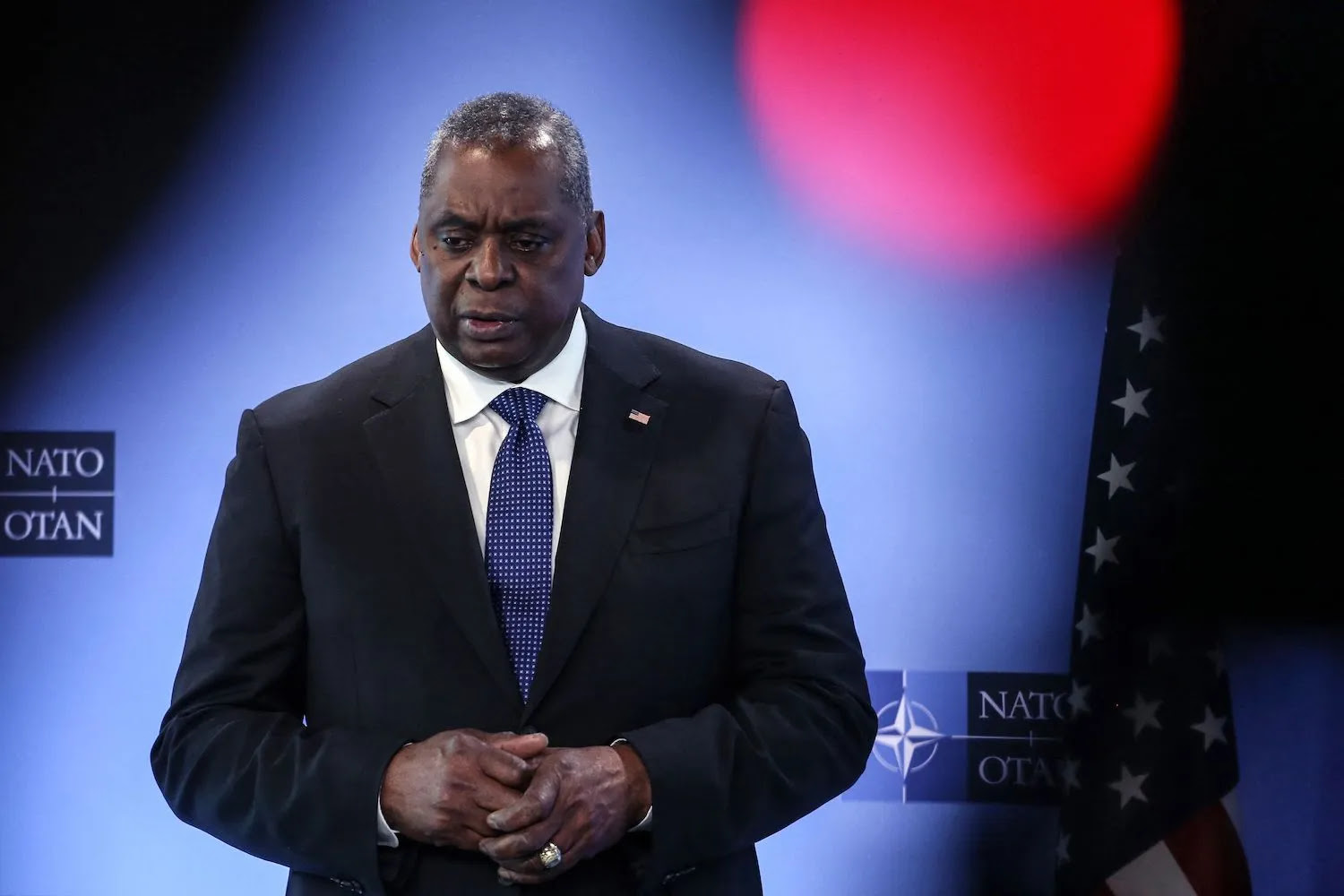
U.S. Defense Secretary Lloyd Austin makes a statement on the second day of a NATO defense ministers’ meeting at the NATO headquarters in Brussels on June 16. VALERIA MONGELLI/AFP VIA GETTY IMAGES
BRUSSELS—NATO nations are preparing to significantly bulk up the 30-country alliance’s forces in Eastern Europe, NATO Secretary-General Jens Stoltenberg said today, part of a plan to stand tall in the face of Russia’s military revanchism as Europe faces its most serious security threat from the Kremlin since the Cold War with Russia’s full-scale invasion of Ukraine.
“Russia’s aggression is a game-changer, so NATO must maintain credible deterrence and strong defense,” Stoltenberg said.
“This will mean more NATO forward-deployed combat formations to strengthen our battlegroups in the eastern part of our alliance. More air, sea, and cyber defenses, as well as prepositioned equipment and weapon stockpiles,” he added.
Conscious that all peoples are united by common bonds, their cultures pieced together in a shared heritage, and concerned that this delicate mosaic may be shattered at any time,
Mindful that during this century millions of children, women and men have been victims of unimaginable atrocities that deeply shock the conscience of humanity,
Recognizing that such grave crimes threaten the peace, security and well-being of the world,
Affirming that the most serious crimes of concern to the international community as a whole must not go unpunished and that their effective prosecution must be ensured by taking measures at the national level and by enhancing international cooperation,
Determined to put an end to impunity for the perpetrators of these crimes and thus to contribute to the prevention of such crimes,
Recalling that it is the duty of every State to exercise its criminal jurisdiction over those responsible for international crimes,
Reaffirming the Purposes and Principles of the Charter of the United Nations, and in particular that all States shall refrain from the threat or use of force against the territorial integrity or political independence of any State, or in any other manner inconsistent with the Purposes of the United Nations,
Emphasizing in this connection that nothing in this Statute shall be taken as authorizing any State Party to intervene in an armed conflict or in the internal affairs of any State,
Determined to these ends and for the sake of present and future generations, to establish an independent permanent International Criminal Court in relationship with the United Nations system, with jurisdiction over the most serious crimes of concern to the international community as a whole,
Emphasizing that the International Criminal Court established under this Statute shall be complementary to national criminal jurisdictions,
Resolved to guarantee lasting respect for and the enforcement of international justice,
Have agreed as follows:
Các Quốc gia Thành viên của Đạo luật này,
Ý thức rằng mọi dân tộc hợp nhất với nhau bằng những liên kết chung, văn hóa của họ hợp lại với nhau trong một di sản chung, và đều lo ngại bức tranh tinh xảo này có thể bị vỡ bất kỳ lúc nào,
Quan tâm rằng trong thế kỷ này, hàng triệu trẻ em, phụ nữ và đàn ông là nạn nhân của những tàn ác không thể tưởng tượng nổi, gây sốc dữ dội cho lương tâm nhân loại,
Thừa nhận rằng những hình tội nghiêm trọng như vậy đe dọa hòa bình, an ninh và an sinh của thế giới,
Khẳng định rằng những hình tội nghiêm trọng nhất, mà cộng đồng quốc tế nói chung quan tâm, phải bị trừng phạt và việc truy tố hiệu lực phải được đảm bảo bằng các biện pháp ở cấp quốc gia và bằng cách tăng cường hợp tác quốc tế,
Quyết tâm chấm dứt việc không trừng phạt các thủ phạm của những hình tội này và, do đó, góp phần ngăn chặn những hình tội đó,
Nhớ rằng nhiệm vụ của mọi Quốc gia là hành xử thẩm quyền tài phán hình sự đối với những kẻ chịu trách nhiệm về những hình tội quốc tế,
Tái xác nhận các Mục đích và Nguyên tắc của Hiến chương Liên hợp quốc, và đặc biệt rằng mọi Quốc gia sẽ kiềm chế đe dọa hoặc dùng vũ lực vi phạm sự toàn vẹn lãnh thổ hoặc độc lập chính trị của bất kỳ Quốc gia nào, hoặc làm bất kỳ điều gì mâu thuẫn với các Mục đích của Liên hợp quốc,
Nhấn mạnh ở đây rằng chẳng có gì trong Đạo luật này được coi là ủy quyền cho bất kỳ Quốc gia Thành viên nào can thiệp vào xung đột vũ trang hoặc vào công việc nội bộ của bất kỳ Quốc gia nào,
Kiên quyết, vì những mục tiêu này và vì các thế hệ hiện tại và tương lai, thành lập một Tòa Hình sự Quốc tế thường trực và độc lập trong liên hệ với hệ thống Liên hợp quốc, có thẩm quyền tài phán đối với những hình tội nghiêm trọng nhất mà cộng đồng quốc tế nói chung quan tâm.
Nhấn mạnh rằng Tòa Hình sự Quốc tế được thành lập theo Đạo luật này sẽ bổ sung cho thẩm quyền tài phán hình sự của các quốc gia,
Quyết định đảm bảo sự tôn trọng lâu dài, và việc thực thi, công lý quốc tế,
Đã đồng ý như sau:
PART 1. ESTABLISHMENT OF THE COURT
PHẦN 1. THÀNH LẬP TÒA
Article 1 The Court
An International Criminal Court (“the Court”) is hereby established. It shall be a permanent institution and shall have the power to exercise its jurisdiction over persons for the most serious crimes of international concern, as referred to in this Statute, and shall be complementary to national criminal jurisdictions. The jurisdiction and functioning of the Court shall be governed by the provisions of this Statute.
Điều 1 Tòa
Tòa Hình sự Quốc tế (“Tòa”), do đây, được thành lập. Tòa sẽ là một định chế lâu dài và sẽ có quyền hành xử thẩm quyền tài phán đối với những người vi phạm những hình tội nghiêm trọng nhất mà quốc tế quan tâm, như được nêu ra trong Đạo luật này, và sẽ bổ sung cho thẩm quyền tài phán hình sự của các quốc gia. Thẩm quyền tài phán và hoạt động của Tòa sẽ được điều hành bởi các điều khoản của Đạo luật này.
Article 2 Relationship of the Court with the United Nations
The Court shall be brought into relationship with the United Nations through an agreement to be approved by the Assembly of States Parties to this Statute and thereafter concluded by the President of the Court on its behalf.
Điều 2 Liên hệ của Tòa với Liên hợp quốc
Tòa sẽ được đưa vào liên hệ với Liên hợp quốc thông qua một thỏa thuận được Hội đồng các Quốc gia Thành viên của Đạo luật này phê duyệt và sau đó được Chủ tịch Tòa thay mặt Tòa ký kết.
Article 3 Seat of the Court
1. The seat of the Court shall be established at The Hague in the Netherlands (“the host State”).
2. The Court shall enter into a headquarters agreement with the host State, to be approved by the Assembly of States Parties and thereafter concluded by the President of the Court on its behalf.
3. The Court may sit elsewhere, whenever it considers it desirable, as provided in this Statute.
Điều 3 Trụ sở Tòa
1. Trụ sở Tòa được thành lập tại The Hague [La Hay] ở Hà Lan (“Quốc gia chủ nhà”).
2. Tòa sẽ ký một thỏa thuận về trụ sở với Quốc gia chủ nhà, được Hội đồng các Quốc gia Thành viên phê duyệt và sau đó được Chủ tịch Tòa thay mặt Tòa ký kết.
3. Tòa có thể đặt ở nơi khác, bất cứ khi nào Tòa muốn, như được quy định trong Đạo luật này.
Article 4 Legal status and powers of the Court
1. The Court shall have international legal personality. It shall also have such legal capacity as may be necessary for the exercise of its functions and the fulfilment of its purposes.
2. The Court may exercise its functions and powers, as provided in this Statute, on the territory of any State Party and, by special agreement, on the territory of any other State.
Điều 4 Địa vị pháp lý và quyền hành của Tòa
1. Tòa có tư cách pháp nhân quốc tế. Tòa cũng có năng lực pháp lý có thể cần thiết cho việc hành xử các chức năng của Tòa và cho việc thực hiện các mục đích của Tòa.
2. Tòa có thể hành xử các chức năng và quyền hành của mình, như được quy định trong Đạo luật này, trên lãnh thổ của bất kỳ Quốc gia Thành viên nào và, theo thỏa thuận đặc biệt, trên lãnh thổ của bất kỳ Quốc gia nào.
June 4, the anniversary of the 1989 Tiananmen Square massacre—in which People’s Liberation Army (PLA) forces killed hundreds and perhaps thousands of protesters as well as crushing demonstrations across the country—is a fraught moment in China. In Hong Kong, the public once freely memorialized the massacre. This year, authorities again used the national security law passed in 2020 to block gatherings; six people were arrested.
In mainland China, the anniversary claimed an unexpected victim: e-commerce influencer Li Jiaqi, widely known as the “Lipstick Brother” or “Lipstick King.” During a livestream on June 3, Li was presented with a cake that resembled a tank. Censors promptly pulled the show offline, and it hasn’t returned, with Li’s team citing “technical difficulties.” Early June is a prime time for online shopping ahead of June 18, China’s second-biggest day for online sales. But Li’s name now returns blank results on search platforms, even on e-commerce sites.
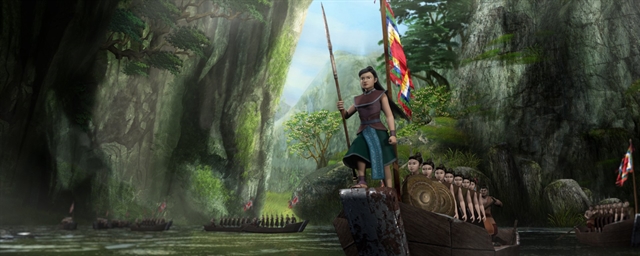
A scene in historical animation Nữ Tướng Mê Linh (The Heroines). Photo courtesy of the Việt Nam Cartoon Company
By Lương Thu Hương
Though 2021 posed a year of challenges due to the COVID-19 pandemic, the nation’s animation industry went from strength to strength, receiving an abundance of awards and millions of hits on YouTube.
Việt Nam Cartoon Studio (the Việt Nam Cartoon Joint Stock Company) last year completed its production plan, having 16 films approved by the Cinema Department under the culture ministry for distribution.
The films produced by the company were diverse, rich in forms of expression and contained many unique features.
If there was one common challenge to unite the Asia Pacific region, it would be corruption. From campaign pledges to media coverage to civil society forums, corruption dominates discussion. Yet despite all this talk, there’s little sign of action. Between Australia’s slipping scores and North Korea’s predictably disastrous performance, the 2015 index shows no significant improvement. Has Asia Pacific stalled in its efforts to fight corruption?
This year’s poor results demand that leaders revisit the genuineness of their efforts and propel the region beyond stagnation.
The public desire for change is huge. In India, Sri Lanka and elsewhere, we’ve seen a host of governments coming to power on anti-corruption platforms. As corruption continues to dominate media coverage across and beyond the region, increasing interest in the issue has sparked a raft of new research into both public and private sector corruption.
The bad
So why this picture of zero progress? Despite boastful efforts on petty corruption, Malaysia’s 1MBD scandal brought the crux of the challenge into sharp focus: is political leadership genuinely committed to fighting corruption throughout society? The Malaysian prime minister’s inability to answer questions on the US$700 million that made its way into his personal bank account is only the tip of the iceberg.
In India and Sri Lanka leaders are falling short of their bold promises, while governments in Bangladesh and Cambodia are exacerbating corruption by clamping down on civil society. In Afghanistan and Pakistan a failure to tackle corruption is feeding ongoing vicious conflicts, while China’s prosecutorial approach isn’t bringing sustainable remedy to the menace. This inability to tackle root causes holds true across the region – witness, for example, Australia’s dwindling score in recent years.
Malaysia’s 1MBD scandal brought the challenge into sharp focus: is political leadership genuinely committed to fighting corruption throughout society?
Reversing corruption is clearly not solely down to governments, but they’re the ones with the largest role and the power to create enabling environments for others. This year’s poor results demand that leaders revisit the genuineness of their efforts and propel the region beyond stagnation. They must fulfil promises, and ensure efforts aren’t undermined in practice. Anti-corruption commissions are a prime example here: while their creation across the region is commendable, ongoing political interference and inadequate resources has meant many are unable to fulfil their mandate. This has to be addressed.
Across Asia, the use of personal connections to get ahead is a common practice.
In addition to paying bribes for the services they need, people use their family or social contacts to skip the line or gain quicker and better access to schools and hospitals, and “speed up” government paperwork such as driver’s licenses or birth certificates..
How much you can increase the speed and quality of your service often depends on how much you can pay or who you know.
In the Global Corruption Barometer — Asia, we asked people about how and why they paid bribes or used personal connections when accessing public services across Asia.
In the wake of Russia’s attack on Ukraine, the international community is scrambling to deter President Vladimir Putin and his cronies – and to help end the military aggression as soon as possible.
Among other measures, European Union member countries, Canada, United Kingdom and the United States have all announced targeted sanctions against Kremlin-linked individuals and businesses – many of whom are suspected of large-scale corruption.
In a kleptocratic system such as today’s Russia, going after the elites can be meaningful. The vast wealth that Russian kleptocrats have amassed – and continue to enjoy – has helped President Putin tighten his grip on power, exert illicit influence over the affairs of other nations and embolden his geopolitical ambitions.







 CVD
CVD 