I'm from Hanoi, Viet Nam.
I'm an author of Dot Chuoi Non (dotchuoinon.com/author/hangbelu/), a blog on Positive thinking, founded by Dr. Tran Dinh Hoanh, an attorney in Washington DC.
I'm a co-founder of Conversations on Vietnam Development - cvdvn.net, a virtual think tank. I am a co-founder of two companies in Viet Nam working on children education services. I advise companies on STEAM education, English language education for children and students in Vietnam.
I'm studying the Buddha's teaching and the teaching of Jesus. I practice mindful living including meditation.
I hold a PhD on Sustainable Energy Systems from University of Lisbon and Aalto University.
I graduated from Hanoi University of Technology on Environmental Engineering. I obtained a Master degree of the same major from Stanford University and Nanyang Technological University.
My English-language blog at: hangbelu.wordpress/.
I play table tennis as a hobby.
ZHENGZHOU, China, April 20 (Reuters) – Severe power shortages in China’s southwestern Yunnan province are likely to cut aluminium production in the country’s fourth-largest producing province, analysts and producers said, but weak demand will cap price rises.
Yunnan, which accounts for about 12% of China’s aluminium capacity, has forced electrolytic aluminium producers to reduce their power usage since September last year after unusually low rainfall reduced hydropower generation.
Hydropower generates about 80% of the province’s electricity, and had attracted investment by energy-intensive aluminium smelters keen to lower their emissions.
The output of the metal in Yunnan jumped by 37% in 2022 from the prior year to 4.2 million tonnes.
Now, however, about 2 million tonnes of capacity, or 20% of the provincial total, is offline, Li Jiahui, an analyst at consultancy Shanghai Metals Market, told a conference in Zhengzhou.
Average rainfall in Yunnan during the first quarter of 2023 was 60% lower than the same period in typical years, the provincial government’s emergency management department said.
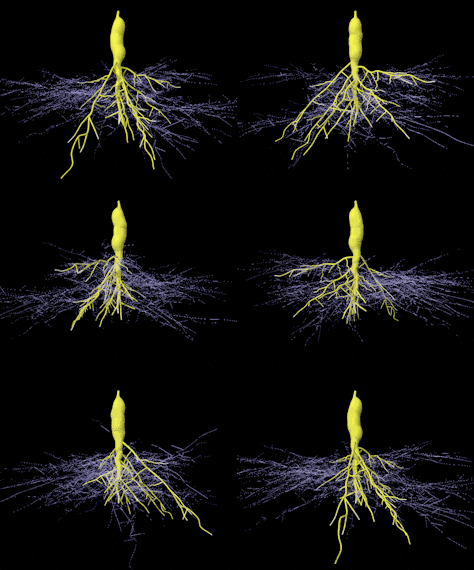
Beneath our feet, remarkable networks of fungal filaments stretch out in all directions. These mycorrhizal fungi live in partnership with plants, offering nutrients, water and protection from pests in exchange for carbon-rich sugars.
How much bigger? These microscopic filaments take up the equivalent of more than a third (36%) of the world’s annual carbon emissions from fossil fuels – every year.
As we search for ways to slow or stop the climate crisis, we often look to familiar solutions: cutting fossil fuel use, switching to renewables and restoring forests. This research shows we need to look down too, into our soils.
This shows how mycorrhizal fungi (fine white filaments) connect to plant root systems (yellow) and out into the soil. Scivit/Wikipedia
This fungi-plant partnership is 400 million years old
Mycorrhizal fungi are hard to spot, but their effects are startling. They thread networks of microscopic filaments through the soil and into the roots of almost every plant on earth.
But this is no hostile takeover. They’ve been partnering with plants for more than 400 million years. The length of these complex relationships has given them a vital role in our ecosystems.
Kinhtedothi – Tình trạng cắt điện luân phiên tại các địa phương đang khiến hoạt động sản xuất, kinh doanh của doanh nghiệp đảo lộn, ngưng trệ, chi phí đội lên cao… Để đảm bảo duy trì sản xuất, doanh nghiệp mong muốn ngành điện có phương án cân đối nguồn điện ưu tiên cho những ngành đặc thù.
Sản xuất ngưng trệ, đội chi phí
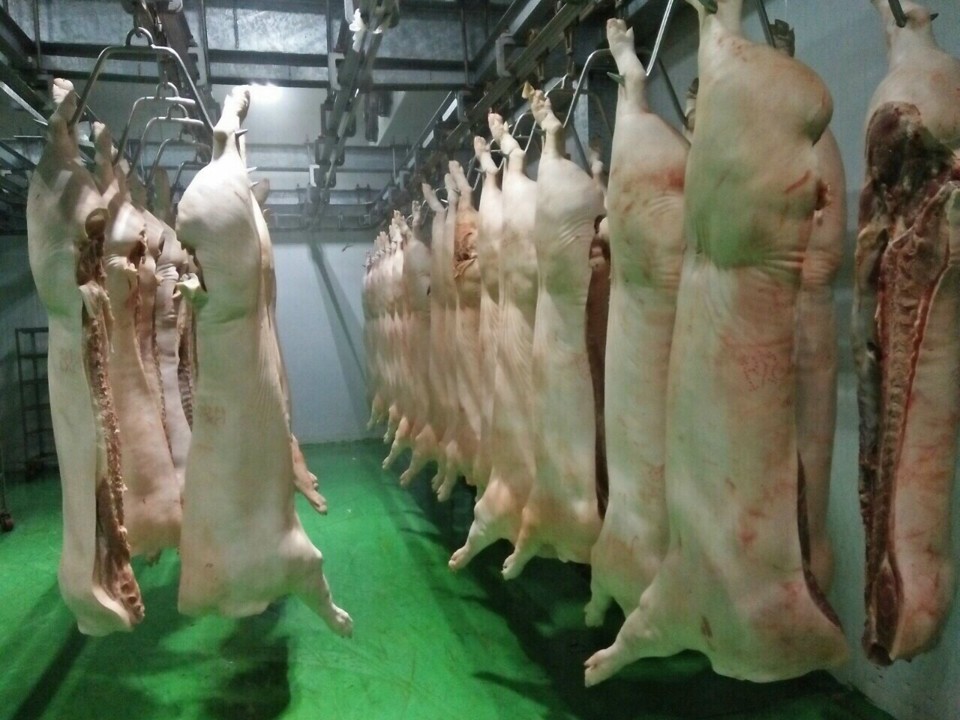
Những ngày này, anh Nguyễn Văn Chữ – Chủ tịch chuỗi thực phẩm sạch Organic Green như ngồi trên đống lửa khi nhìn vào lịch cắt điện luân phiên dày đặc. Bởi doanh nghiệp của anh hoạt động trong lĩnh vực sản xuất, chế biến và kinh doanh thực phẩm sạch, vì vậy nguồn điện rất cần cho các kho bảo quản thực phẩm tươi sống.
Anh Chữ chia sẻ, mặc dù cơ sở đã trang bị máy phát điện nhưng chỉ đủ duy trì một số hoạt động cơ bản và khu văn phòng, không đảm bảo được hệ thống cấp đông, bảo quản sản phẩm. Nếu mất điện lâu, doanh nghiệp có thiệt hại tới hàng chục tỷ đồng. Bởi mặt hàng thực phẩm tươi sống cần được bảo quản trong nhiệt độ thấp, nếu không được bảo quản sẽ bị giã đông và ảnh hưởng chất lượng.
Kho bảo quản thực phẩm tại chuỗi thực phẩm Organic Green
Ngoài ra, cũng vì mất điện, nên nhà máy sản xuất thức ăn chăn nuôi của doanh nghiệp này cũng phải tạm dừng hoạt động. Ngừng hoạt động khiến công ty không đủ hàng giao cho các đại lý. “Lịch cắt điện không phải chỉ luân phiên 1-2 tiếng, mà cắt cả ngày cả đêm, nên ảnh hưởng nghiêm trọng đến hoạt động sản xuất kinh doanh của Công ty” – anh Chữ bức xúc.
Hydroelectric reservoirs’ water levels are lower than annual averages, according to a May 10 report from Vietnam Electricity Group (EVN), and 10 are either close to or under the ‘dead level’.
Current water levels at Lai Chau hydroelectric reservoir. (Photo: kinhtedothi.vn)
Hanoi (VNS/VNA) – Hydroelectric reservoirs‘ water levels are lower than annual averages, according to a May 10 report from Vietnam Electricity Group (EVN), and 10 are either close to or under the ‘dead level’.
During the monitoring of the national electricity system in April and early May, prolonged intense heat waves across a wide area led to a significant increase in electricity consumption.
Even though the early May heatwave in the northern region only lasted a few days, it resulted in very high levels of power capacity and electricity consumption throughout the country.
For instance, the total power consumption on May 6, albeit a Saturday, reached 43,300 megawatts, while the total energy consumption reached 895 million kilowatts per hour (kWh).
Forecast for the upcoming months of May, June, and July indicates that the northern region will enter the peak period of hot weather, resulting in an increasing trend of electricity consumption, surpassing the planned operation of the national power system approved by the Ministry of Industry and Trade.
Meanwhile, the hydrological situation of reservoirs in recent months has experienced unfavourable fluctuations, significantly lower than the multi-year average.
Many hydropower reservoirs across the country are facing water shortages, with several hydropower reservoirs in the central and southern regions experiencing low water levels.
According to the EVN, 10 are close or under the “dead level”, which means that the total consumption is under 4,500 megawatts.
These reservoirs are Lai Chau, Tri An, Ialy, Ban Chat, Huoi Quang, Trung Son, Buon Kuop, Buon Tua Srah, Srepok 3, and Song Ba Ha.
The remaining electricity production in the entire system is 4.5 billion kWh, which is 1.6 billion kWh lower than the planned amount and 4.1 billion kWh lower than the same period in 2022.
According to the forecast by the National Centre for Hydro-Meteorological Forecasting (NCHMF), as El Nino is expected to occur in the later months of 2023, there will be higher temperatures and lower rainfall compared to the multi-year average, which will further contribute to a decreasing trend in water inflow to reservoirs during the second half of the year.
To deal with this situation, EVN asked its customers to tighten energy-saving consumption, especially in the noon and evening hours.
EVN recommends putting air conditioners at a reasonable level, between 26 to 27 degrees Celsius, and avoiding using multiple high-capacity electrical devices simultaneously./.
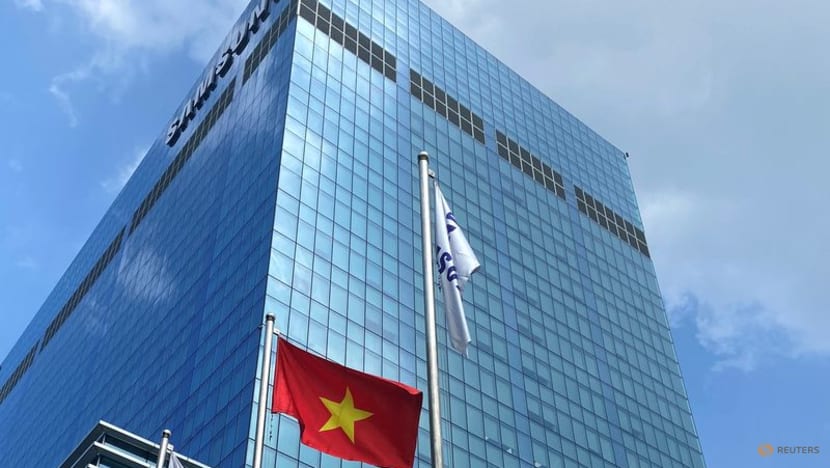
FILE PHOTO: Samsung centre building is seen in Hanoi Vietnam May 29, 2023. REUTERS/Francesco Guarascio
HANOI, June 5 (Reuters) – Vietnam’s rolling power cuts have hit industrial parks in the country’s northern provinces where top global manufacturers such as Foxconn and Samsung have factories, officials said on Monday, as a surge in consumption amid a heatwave stretched the power supply system.
The frequent and often unannounced power cuts prompted EuroCham, which represents European companies in the country, to send a letter on Monday to the industry and trade ministry urging quick measures to address the emergency.
Some industrial parks in the northern provinces of Bac Ninh and Bac Giang have been facing blackouts, said two local investment officials, declining to be named as they were not authorised to speak to media.
“We are working with EVN later today to discuss the situation and possible measures to limit the impacts,” one of the officials said, referring to the country’s state utility Electricity of Vietnam.
The provinces house production facilities of Samsung Electronics , Foxconn, Canon Inc and Luxshare, among others.
Long power cuts made life harder for residents and enterprises in suburban areas of Hanoi amid the scorching weather on Saturday.
Residents sought ways to escape the heatwave while many enterprises suspended their operations during the blackouts.
In particular, part of Lai Yen Commune, Hoai Duc District suffered a power outage, causing many enterprises and business establishments to close.
The Trung Yen gas station in the Lai Yen Industrial Cluster in the namesake commune erected the ‘out of gasoline’ sign from the early morning until afternoon on Saturday due to the power cut.
Hue, a chef in the Lai Yen Industrial Cluster, said it was extremely hot during power cuts and she could not prepare meals for workers.
Two ventilation fans, an evaporative cooler, and an industrial fan are normally needed while she is cooking.
“I cannot cook without electricity. I have to buy noodles for workers. After the meal, they cannot do anything [as there is no power],” she complained.
Báo cáo tóm tắt: Tại đây: Sức khỏe tâm thần và tâm lý xã hội của trẻ em và thanh niên tại một số tỉnh và thành phố ở Việt Nam
Các thông điệp chính
Mặc dù tỷ lệ mắc các vấn đề sức khỏe tâm thần được báo cáo trong các nghiên cứu tài liệu có sẵn là tương đối thấp, quan điểm chung cho rằng vấn đề sức khỏe tâm thần và tâm lý xã hội đều đang gia tăng ở Việt Nam, đặc biệt trong trẻ em và thanh thiếu niên.
Kỳ vọng và áp lực lớn từ gia đình và nhà trường về việc học tập tốt, về các chuẩn mực xã hội (bao gồm cả kết hôn sớm) thường đặt các em gái vào vị thế bất lợi so với các em trai, và sự tăng tiếp xúc với Internet là những yếu tố nguy cơ tiềm tàng đối với sức khỏe tâm lý xã hội, dẫn đến tình trạng cô lập xã hội, lo lắng, buồn phiền, lo âu, trầm cảm, cảm giác tuyệt vọng và trong một số trường hợp là tự tử.
Các yếu tố bảo vệ bao gồm môi trường gia đình gắn kết, mạng lưới xã hội và bạn bè tốt, giáo viên hỗ trợ và có tấm gương để noi theo; gia đình có nền tảng kinh tế – xã hội tốt cũng như sự sẵn có của các dịch vụ cũng giúp giảm nhẹ các gánh nặng lên trẻ em, từ đó giúp giải tỏa những căng thẳng tiềm ẩn.
Trong khi các dịch vụ sức khỏe tâm thần và tâm lý xã hội mới được cung ứng thông qua các trung tâm bảo trợ và công tác xã hội, các bệnh viện tâm thần và các phòng ham vấn tâm lý học đường, chất lượng và độ bao phủ của các dịch vụ này còn giới hạn và thường tập trung vào những rối loạn tâm thần nặng.
Trong tương lai, điều then chốt là đẩy mạnh và nâng cao số lượng và chất lượng nguồn nhân lực cũng như số lượng và loại hình dịch vụ, đặc biệt là những dịch vụ hướng đến các vấn đề sức khỏe tâm thần không phải thể nặng.
Nâng cao nhận thức của tất cả các cấp về sức khỏe tâm lý xã hội của trẻ em và thanh thiếu niên cũng là một việc làm cần thiết, và tất cả những điều này không thể được thực hiện nếu không có khung chính sách, phân bổ ngân sách hợp lý và sự hợp tác giữa các ban ngành khác nhau
THE PALE BLUE DOT OF EARTH “That’s here. That’s Home. That’s us.”Image: NASA / JPL
“Hãy nhìn lại cái chấm đó. Cái Chấm đó chính là đây. Là nhà. Là chúng ta. Trên cái Chấm có tất cả những người thương yêu của bạn, có tất cả những ai bạn biết, những ai bạn từng nghe nhắc tới, và cả mọi con người đã từng tồn tại, từng sống trọn vẹn cuộc đời của họ. Cái Chấm đó là tổng hòa hỗn hợp của vui sướng và bất hạnh của mọi con người chúng ta, là hàng ngàn tôn giáo tín ngưỡng, mọi ý thức hệ, các học thuyết kinh tế, mọi thợ săn và thợ rèn, mọi anh hùng và kẻ hèn hạ, mọi nhà sáng lập và kẻ huỷ diệt nền văn minh, tất cả vua chúa và thường dân, tất cả đôi lứa đang yêu, tất cả ai làm cha mẹ và những đứa trẻ đầy triển vọng, mọi nhà phát minh và nhà thám hiểm, các thầy giảng các giáo viên, tất cả các chính trị gia tham nhũng, các “siêu sao”, các “lãnh đạo tối cao”, tất cả những vị thánh và kẻ tội đồ trong lịch sử loài người chúng ta đều sống ở đó – ở trên một cái Chấm hạt bụi lơ lửng trong một vệt nắng.
Trái Đất là một sân khấu siêu nhỏ trong một vũ đài vũ trụ mênh mông. Hãy nghĩ về những dòng sông đầy máu dưới tay của những vị tướng và hoàng đế, để mà trong vinh quang và chiến thắng, họ có thể trở thành những bá chủ nhất thời của một phần tí ti trong cái dấu Chấm đó. Hãy nghĩ về sự tàn khốc vô tận mà cư dân ở một góc tí ti này giáng xuống người dân ở một góc tí ti khác mà những con người ở đó thì đều giống nhau đến mức khó có thể phân biệt được, hãy nghĩ về mức độ nhầm lẫn thường xuyên của những con người đó, về sự háo hức tàn sát nhau về lòng căm thù sục sôi như thế.
Sự giả tạo của chúng ta, tự huyễn hoặc về cái sự quan trọng của chính mình, cái sự ảo tưởng rằng chúng ta có đặc quyền trong Vũ trụ bị thách thức bởi điểm Chấm mờ này. Hành tinh Trái Đất của chúng ta chỉ là một cái đốm lẻ loi, bao trùm bởi bóng tối vũ trụ bao la. Trong cái sự mù mờ của chúng ta, trong vũ trụ vô tận này, không hề có một dấu vết nào cho thấy sẽ có sự giúp đỡ đến từ một nơi nào khác (ngoài cái Chấm này) để cứu rỗi chúng ta khỏi chính mình.
Cho đến nay trong mọi nơi mà ta từng biết đến, Trái Đất là thế giới duy nhất cho phép sự sống neo đậu và trú ẩn. Không một hành tinh nào khác, ít nhất là trong tương lai gần, mà loài người chúng ta có thể di cư đến. Vâng, đến thăm thì được, chứ định cư thì chưa đâu. Dù muốn hay không, thì Trái Đất vẫn là nơi cho ta cư trú ở thời điểm hiện tại.
Người ta nói thiên văn học là một trải nghiệm khiêm nhường và để xây dựng chí khí. Có lẽ không có cách bày tỏ nào tốt hơn về sự tự phụ ngu xuẩn của loài người bằng hình ảnh xa xôi về thế giới nhỏ bé của chúng ta. Đối với tôi, hình ảnh cái Chấm này nhấn mạnh trách nhiệm của chúng ta để đối xử tử tế với nhau hơn, để giữ gìn và trân trọng cái Chấm xanh mờ nhạt này, ngôi nhà duy nhất mà con người chúng ta biết đến.”
— Carl Sagan, Pale Blue Dot, 1994
Look again at that dot. That’s here. That’s home. That’s us. On it everyone you love, everyone you know, everyone you ever heard of, every human being who ever was, lived out their lives. The aggregate of our joy and suffering, thousands of confident religions, ideologies, and economic doctrines, every hunter and forager, every hero and coward, every creator and destroyer of civilization, every king and peasant, every young couple in love, every mother and father, hopeful child, inventor and explorer, every teacher of morals, every corrupt politician, every “superstar,” every “supreme leader,” every saint and sinner in the history of our species lived there–on a mote of dust suspended in a sunbeam.
The Earth is a very small stage in a vast cosmic arena. Think of the rivers of blood spilled by all those generals and emperors so that, in glory and triumph, they could become the momentary masters of a fraction of a dot. Think of the endless cruelties visited by the inhabitants of one corner of this pixel on the scarcely distinguishable inhabitants of some other corner, how frequent their misunderstandings, how eager they are to kill one another, how fervent their hatreds.
Our posturings, our imagined self-importance, the delusion that we have some privileged position in the Universe, are challenged by this point of pale light. Our planet is a lonely speck in the great enveloping cosmic dark. In our obscurity, in all this vastness, there is no hint that help will come from elsewhere to save us from ourselves.
The Earth is the only world known so far to harbor life. There is nowhere else, at least in the near future, to which our species could migrate. Visit, yes. Settle, not yet. Like it or not, for the moment the Earth is where we make our stand.
It has been said that astronomy is a humbling and character-building experience. There is perhaps no better demonstration of the folly of human conceits than this distant image of our tiny world. To me, it underscores our responsibility to deal more kindly with one another, and to preserve and cherish the pale blue dot, the only home we’ve ever known.
In Japanese folklore there are both toilet gods and toilet demons. The toilet gods are household deities, the toilet demons are water demons. Let’s look at the gods first, then the demons.
Toilet Gods
There is only very limited livestock on Japan farms. Human waste has traditionally been collected in cesspits and used as fertilizer. This meant that there was a risk of falling into a cesspit and possibly drowning. Protection was needed against this dreadful fate. Also, since the collected waste was used for fertilizer, the toilet was connected with fertility in general.
The kawaya no-kami or toilet god was asked for help. Special rituals at the new year asked for the kawaya no-kami to bring a good harvest. Keeping the toilet clean was thought to lead to more attractive children.
The specific name and rituals associated with the toilet god vary with location. The name is Takagamisama around Nagano, Setchinsan in Hiroshima, Kamu-taka on Ishigaki Island, Sechinbisan in Ōita, and Usshimasama in Ehime. In some places the family sit in front of the toilet on a straw mat and eat a rice cake, in other places they would put an offering of food into the toilet.
In far northern Japan the Ainu people believed that their toilet god, the Rukar Kamuy, would be the first deity to provide help in times of danger. The Rukar Kamuy is one of many Kamuy or household gods. There is Apasamn Kamuy the husband and wife god and goddess who keep evil spirits out of the house entrance. Cisepannokianpa Kamuy and Cisepennokianpa Kamuy, the husband and wife god and goddess of the eaves of the roof, protect the house from earthquakes and typhoons. Cisekor Kamuy, a male god, sits in the east corner of the house and watches over everything. He is the husband of Apehuci Kamuy, the goddess of fire. Colpep Kamuy is the god of containers, thanks are given to this god when containers are retired.
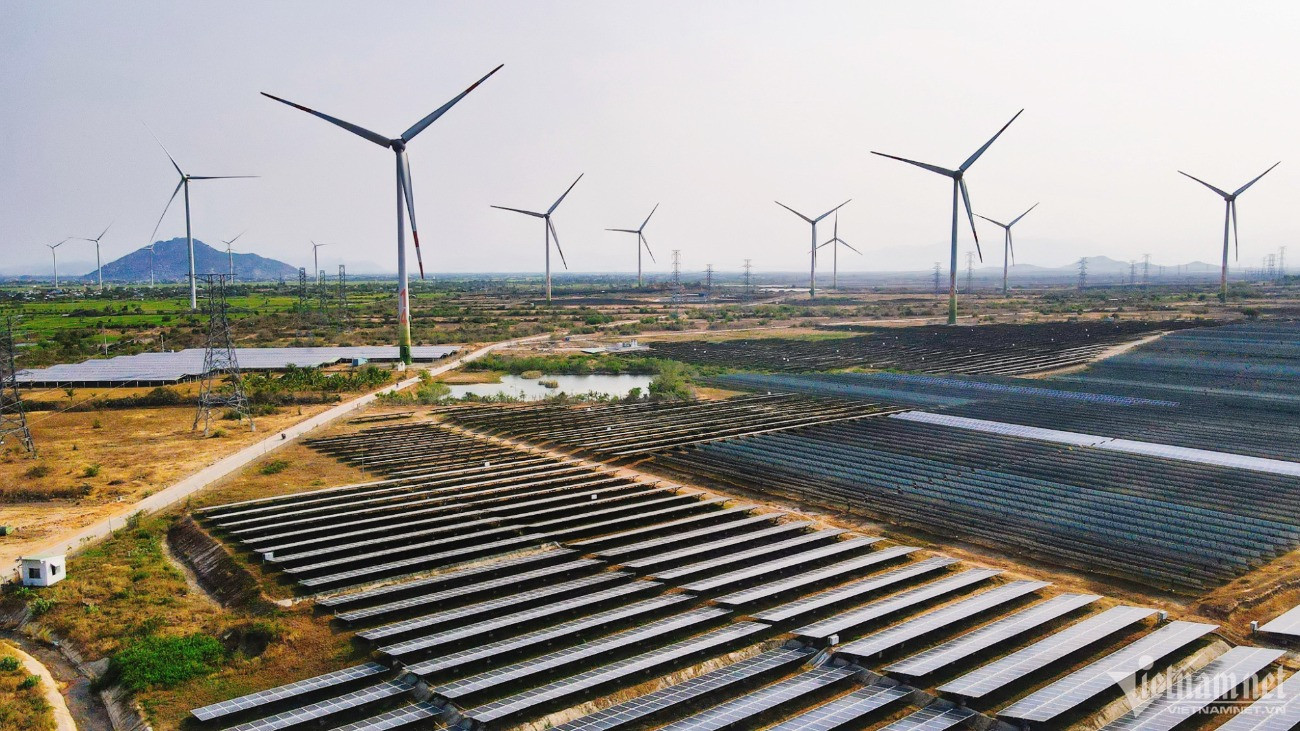
Để các dự án năng lượng tái tạo được sớm phát lên lưới, trách nhiệm không chỉ nằm ở EVN mà còn của Bộ Công Thương, UBND các tỉnh và nhất là các chủ đầu tư.
Được mở đường, nhà đầu tư vẫn lừng khừng
Đến nay có 85 dự án điện tái tạo (gồm 8 dự án điện mặt trời và 77 dự án điện gió), với tổng công suất hơn 4.700MW đã và đang đầu tư, xây dựng và lỡ hẹn giá ưu đãi vì giá FiT cho điện gió kết thúc vào tháng 31/10/2021 và điện mặt trời kết thúc vào tháng 12/2020.
Nhiều dự án điện gió, điện mặt trời lỡ hẹn giá FiT. Ảnh: Thạch Thảo
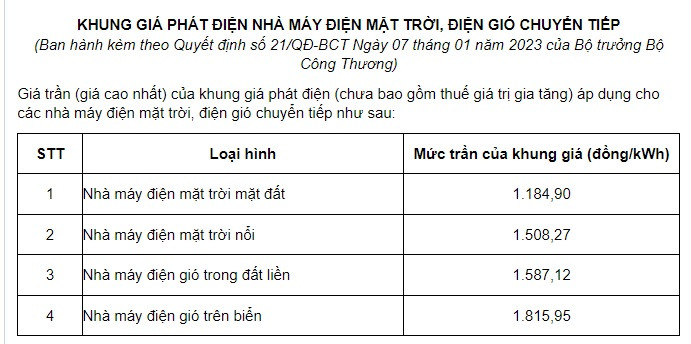
Mãi đến ngày 7/1/2023, Bộ trưởng Công Thương mới ban hành quyết định về khung giá phát điện nhà máy điện mặt trời, điện gió chuyển tiếp. Sự chậm trễ này rõ ràng có phần trách nhiệm của Bộ Công Thương.
Nhưng từ đó đến giữa tháng 5/2023, rất ít chủ đầu tư gửi hồ sơ đàm phán đến Công ty mua bán điện thuộc EVN (EPTC) vì nhà đầu tư “chê” mức giá đó là quá thấp.
Căn cứ mức giá trần này, mỗi kWh điện mặt trời mặt đất có giá tạm tính là 592,45 đồng; điện mặt trời nổi là 754,13 đồng; điện gió trong đất liền là 793,56 đồng; điện gió trên biển là 907,97 đồng.
Nationally Determined Contributions, or NDCs, are countries’ self-defined national climate pledges under the Paris Agreement, detailing what they will do to help meet the global goal to pursue 1.5°C, adapt to climate impacts and ensure sufficient finance to support these efforts.
NDCs represent short- to medium-term plans and are required to be updated every five years with increasingly higher ambition, based on each country’s capabilities and capacities.
Concrete progress is already being made towards achievement of the Paris Agreement, particularly in developing countries. For example, pledges from African countries are more robust than the global average in terms of explaining how targets will be achieved.
NDCs represent politically backed commitments by countries. If used right, they could be our way out of tackling the world’s current crises – not just the climate crisis, but other systemic problems like biodiversity loss and energy security as well.
What are Nationally Determined Contributions and where do they come from?
The legally binding international treaty, which was adopted in 2015 by all 196 Parties to the UN Climate Convention in Paris, established universal global goals endorsed by all countries. Primarily, this includes ensuring global average temperature rise is held well below 2°C above pre-industrial levels and pursuing efforts to limit the increase to 1.5°C. It also includes an aim to increase the ability to adapt to climate impacts, and make finance flows consistent with country needs to achieve these goals.
Impact investing is a major topic on investors’ radar screens, boasting huge growth, and widespread acceptance among those seeking to align their portfolios with their values. But impact investing has always been more than a fad.
KEY TAKEAWAYS
Socially responsible investing’s origins in the United States began in the 18th century with Methodism, a denomination of Protestant Christianity that eschewed the slave trade, smuggling, and conspicuous consumption, and resisted investments in companies manufacturing liquor or tobacco products or promoting gambling.
Socially responsible investing ramped up in the 1960s, when Vietnam War protestors demanded that university endowment funds no longer invest in defense contractors.
The combined efforts of protests and responsible investing during the Vietnam War and Apartheid in South Africa, led to institutional and legislative change.
Over time, research has backed up this strategy: companies that care about the environment, promote equality among employees, and enforce proper financial guidelines tend to accrue added benefits to investors.
History of Impact Investing
Investopedia / Sabrina Jiang
Impact investing is also referred to as socially responsible investing (SRI). The practice has a rich history. In Biblical times, ethical investing was mandated by Jewish law. Tzedek (which means justice and equality), comprises rules to correct the imbalances that humans cause. Tzedek is referred to in the first five books of the Bible—collectively called the Pentateuch—thought to have been written by Moses from 1,500 to 1,300 B.C.E.12 According to Jewish tradition, these rules apply to all aspects of life, including the government and the economy. Ownership carries rights and responsibilities, one of which is to prevent immediate and potential harm.3
A growing number of investors want to encourage companies to act responsibly in addition to delivering financial returns.
The terms environmental, social, and governance (ESG), socially responsible investing (SRI), and impact investing are often used interchangeably, but have important differences.
ESG looks at the company’s environmental, social, and governance practices alongside more traditional financial measures.
Socially responsible investing involves choosing or disqualifying investments based on specific ethical criteria.
Impact investing aims to help a business or organization produce a social benefit.
Investing is no longer just about the returns. A growing number of investors also want their money to fund companies as committed to a better world as they are to their bottom line.
Socially responsible investing and one of its subsets, impact investing, have attracted more than one-third of the assets under professional management in the U.S., according to a 2020 survey by the U.S. Forum for Sustainable and Responsible Investment. That amounted to more $17 trillion in assets under management based on socially responsible criteria, an increase of 42% from 2018.1
The growing demand has fueled a proliferation of funds and strategies that integrate ethical considerations into the investment process. Environmental, social, and governance (ESG), socially responsible investing (SRI), and impact investing are industry terms often used interchangeably by clients and professionals alike, under the assumption that they all describe the same approach. However, these terms have subtle differences of meaning.
VOV.VN – Mặt hàng động vật hoang dã là ngà voi, sừng tê giác có chiều hưởng chuyển dịch từ các cảng biển thuộc khu vực miền Nam, miền Trung ra các tỉnh phía Bắc như Hải Phòng, Quảng Ninh…
Theo Tổng cục Hải quan, tháng 4, hoạt động buôn lậu, vận chuyển trái phép hàng hóa qua tuyến biên giới Việt Nam – Lào, Việt Nam – Campuchia vẫn diễn biến hết sức phức tạp. Đặc biệt là hoạt động buôn lậu, vận chuyển trái phép ma túy, pháo nổ, vàng, thuốc lá điếu, ngoại tệ, thực phẩm… qua biên giới các tỉnh Bình Phước, Tây Ninh, Long An, Đồng Tháp, An Giang, Kiên Giang; Hoạt động vận chuyển hàng hóa gửi kho ngoại quan (Hải Phòng, TPHCM, Bà Rịa – Vũng Tàu, Bình Dương, Đồng Nai) quá cảnh đi Trung Quốc, Campuchia tiếp tục tiềm ẩn rủi ro trong việc xảy ra các tình trạng đánh tráo, rút ruột thẩm lậu vào nội địa.
Trên tuyến đường biển, các đối tượng buôn lậu, vận chuyển trái phép qua biên giới tập trung vào mặt hàng có lợi nhuận cao như xăng dầu, than, khoáng sản, hàng điện tử, điện lạnh đã qua sử dụng, phế liệu, hàng đông lạnh, gia cầm…, sử dụng nhiều thủ đoạn tinh vi, các chiêu thức mới, hoạt động có tổ chức như ngụy trang tàu chở hàng lậu thành khai thác thủy sản, gia cố các bồn bể trên các phương tiện xuất nhập cảnh để che đậy việc mua bán, vận chuyển trái phép hàng lậu…
Ngà voi nhập lậu do Hải quan Hải Phòng chủ trì bắt giữ tháng 3/2023.
Đặc biệt, mặt hàng động vật hoang dã là ngà voi, sừng tê giác có chiều hưởng chuyển dịch từ các cảng biển thuộc khu vực miền Nam, miền Trung ra các tỉnh phía Bắc như Hải Phòng, Quảng Ninh…
Ngoài ra, tình hình tội phạm ma túy vẫn diễn biến phức tạp, nhất là tuyến hàng không và các khu vực biên giới ở Tây Bắc, miền Trung, Tây Nam bộ…
Trong tháng 4, ngành Hải quan đã phát hiện, bắt giữ, xử lý gần 1.466 vụ vi phạm pháp luật về hải quan, tổng trị giá hàng vi phạm ước tính 455 tỷ đồng, cơ quan Hải quan đã khởi tố 5 vụ, kiến nghị cơ quan chức năng khởi tố 20 vụ, số tiền thu nộp ngân sách gần 90 tỷ đồng.
Ông Nguyễn Văn Cẩn, Tổng cục trưởng Tổng cục Hải quan cho biết: “Đầu năm rộ lên có những đối tượng, doanh nghiệp với doanh số, kim ngạch xuất khẩu bất thường và từ đó chúng tôi lần theo đối với các hành vi xuất khống, hành vi giả mạo hồ sơ, lợi dụng hoàn thuế giá trị gia tăng và chúng tôi đã khởi tố một số vụ án, chuyển cho cơ quan điều tra chuyên trách để tiến hành xử lý. Và hiện nay đang phối hợp với lực lượng chức năng của Bộ Công an để điều tra sâu và mở rộng các đối tượng khác”./.
VOV.VN – Sau khi báo Tiền Phong đăng tải bài viết của nhà báo Tuấn, phản ánh về vấn nạn “đất tặc” trên địa bàn xã Ea Ktur, huyện Cư Kuin, nhà báo này liên tiếp nhận được các cuộc điện thoại đe dọa giết cả nhà.
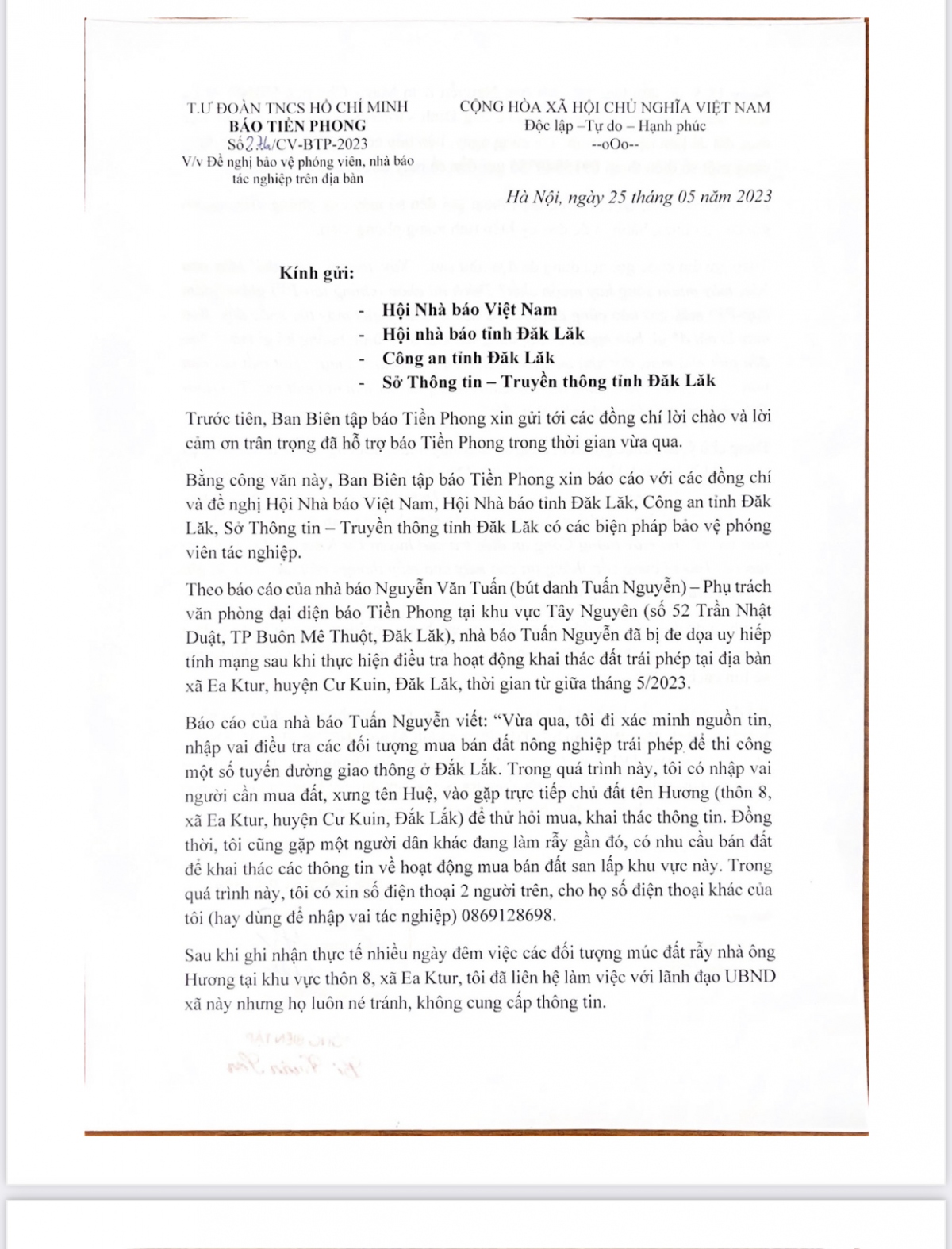
Ban Biên tập báo Tiền Phong vừa có công văn gửi tới Hội Nhà báo Việt Nam, Hội Nhà báo, Công an, Sở TT&TT tỉnh Đắk Lắk và các đơn vị liên quan đề nghị vào cuộc xác minh, xử lý các đối tượng dọa giết nhà báo Nguyễn Văn Tuấn (bút danh Tuấn Nguyễn), phụ trách Văn phòng đại diện báo Tiền Phong khu vực Tây Nguyên. Đồng thời, có biện pháp bảo vệ phóng viên tác nghiệp trên địa bàn.
Công văn của Ban biên tập Báo Tiền phong đề nghị điều tra, xử lý việc đe doạ giết nhà báo Nguyễn Văn Tuấn.
Theo nhà báo Nguyễn Văn Tuấn, cuối tháng 4 đến giữa tháng 5/2023, anh có đi xác minh nguồn tin, điều tra các đối tượng mua bán đất nông nghiệp trái phép, vận chuyển thi công đường giao thông tại Đắk Lắk.
Trong quá trình này, nhà báo Tuấn nhập vai người mua đất, vào gặp trực tiếp chủ đất tên Nguyễn Công Hương (thôn 8, xã Ea Ktur, huyện Cư Kuin) để khai thác thông tin, xác minh viết bài. Đồng thời, anh Tuấn cũng gặp một người dân làm rẫy gần đó, có nhu cầu bán đất để hỏi thêm thông tin. Lúc này, nhà báo Tuấn có xin số điện thoại 2 người trên và cho họ số điện thoại.
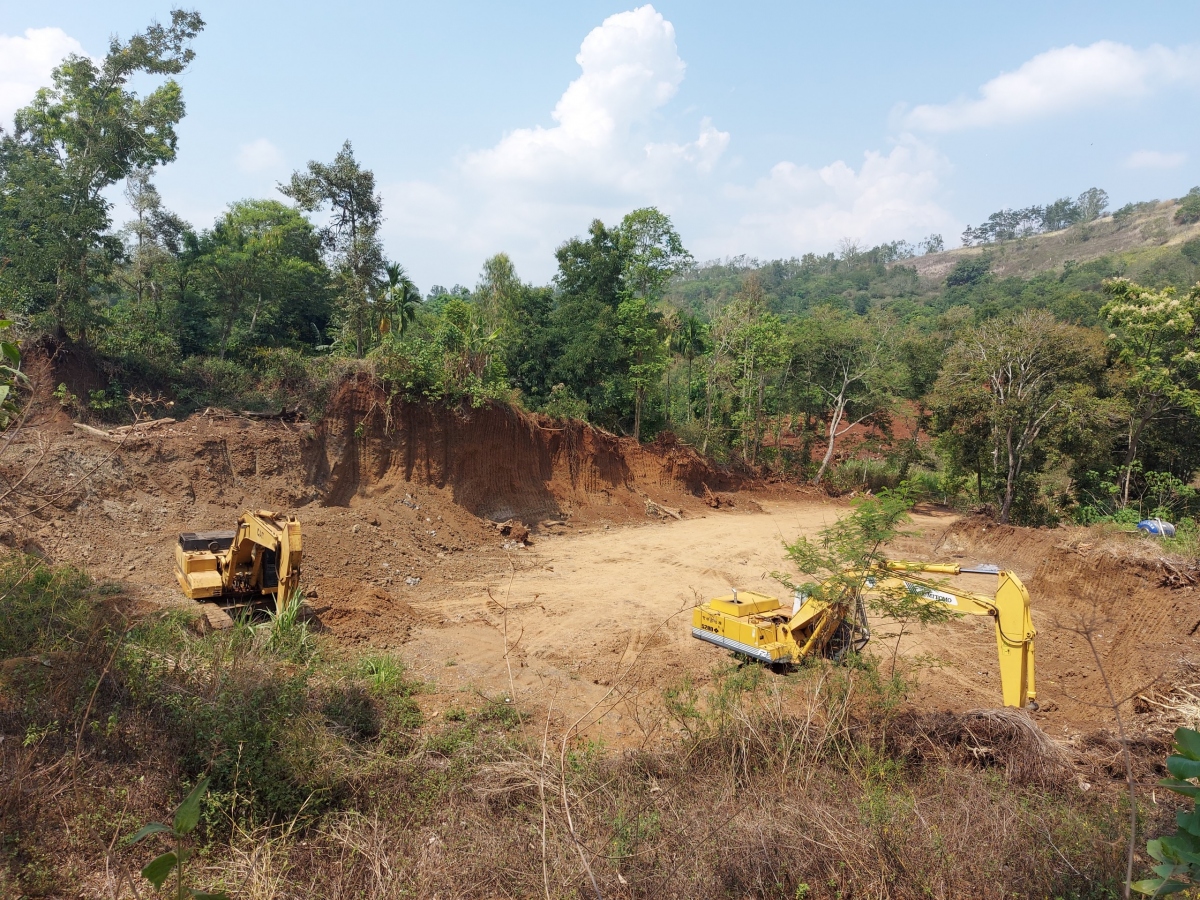
Hiện trường khai thác đất trái phép tại xã Ea Ktur (huyện Cư Kuin) do nhà báo Nguyễn Văn Tuấn chụp.
Quá trình ghi nhận thực tế, các đối tượng múc trộm đất từ nhà ông Hương (thôn 8, xã Ea Ktur), nhà báo Tuấn đã liên hệ làm việc với lãnh đạo UBND xã này nhưng họ luôn né tránh, không cung cấp thông tin.
Đến sáng 18/5, Báo Tiền Phong đã đăng tải bài viết của nhà báo Tuấn, phản ánh về vấn nạn “đất tặc” trên địa bàn thôn 8 (xã Ea Ktur, huyện Cư Kuin). Bài báo phản ánh hoạt động khai thác đất trái phép tự xã Ea Ktur rồi chở đến đổ tại khu vực đang triển khai thi công Dự án đầu tư xây dựng đường Hồ Chí Minh đoạn tránh phía Đông TP Buôn Ma Thuột.
Ngay trong tối 18/5, liên tiếp có 2 người đàn ông sử dụng cùng một số điện thoại 0915840755 gọi đến số máy của nhà báo Tuấn có những lời lẽ đe dọa, uy hiếp đến tính mạng.
Hàng loạt xe tải chở đất được khai thác trái phép từ xã Ea Ktur đến đổ tại khu vực đang thi công Dự án đầu tư xây dựng đường Hồ Chí Minh đoạn tránh phía Đông TP Buôn Ma Thuột được nhà báo Tuấn ghi lại.




:max_bytes(150000):strip_icc():format(webp)/dotdash-history-impact-investing-Final-5ce8444275794c3c99868ddbc11b1011.jpg)


 CVD
CVD 