I'm from Hanoi, Viet Nam.
I'm an author of Dot Chuoi Non (dotchuoinon.com/author/hangbelu/), a blog on Positive thinking, founded by Dr. Tran Dinh Hoanh, an attorney in Washington DC.
I'm a co-founder of Conversations on Vietnam Development - cvdvn.net, a virtual think tank. I am a co-founder of two companies in Viet Nam working on children education services. I advise companies on STEAM education, English language education for children and students in Vietnam.
I'm studying the Buddha's teaching and the teaching of Jesus. I practice mindful living including meditation.
I hold a PhD on Sustainable Energy Systems from University of Lisbon and Aalto University.
I graduated from Hanoi University of Technology on Environmental Engineering. I obtained a Master degree of the same major from Stanford University and Nanyang Technological University.
My English-language blog at: hangbelu.wordpress/.
I play table tennis as a hobby.
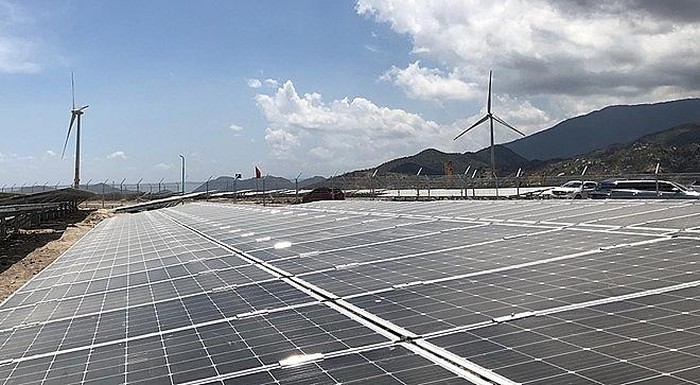
TPO – Theo phương án được Bộ Công Thương xây dựng trình Thủ tướng, các doanh nghiệp sử dụng điện lớn sẽ có thể mua, bán điện trực tiếp với đơn vị phát điện từ năng lượng tái tạo thông qua đường dây riêng, không do Tập đoàn Điện lực Việt Nam (EVN) quản lý.
Bộ Công Thương cho biết, đã hoàn tất xây dựng cơ chế mua bán điện trực tiếp để trình Thủ tướng Chính phủ xem xét. Theo đó, Bộ Công Thương đề xuất hai trường hợp mua bán điện trực tiếp giữa đơn vị phát điện tái tạo với khách hàng sử dụng điện lớn thuộc nhóm sản xuất.
Phương án 1, doanh nghiệp có thể mua bán điện trực tiếp thông qua đường dây riêng do tư nhân đầu tư (không phải mua bán điện thông qua EVN).
Escalating construction costs, the rise of solar and wind power, and mounting public opposition have led to a precipitous decrease in massive new hydropower projects. Experts say the world has hit “peak dams,” which conservationists hail as good news for riverine ecosystems.
Numerous recently published reports reflect this planet-altering fact. One study, conducted by scholars at the United Nations University’s Institute for Water, Environment and Health, found that construction of large dams globally fell from a late-1970s peak of about 1,500 a year to around 50 a year in 2020. “There will not be another ‘dam revolution’ to match the scale of the high-intensity dam construction experienced in the early to middle 20th century,” the 2021 study concluded.
Data compiled by the International Renewable Energy Agency (IRENA), an intergovernmental organization that promotes renewable energy, including hydropower, show that in the 21st century, newly installed hydropower capacity peaked in 2013 at 45,000 megawatts a year and then dropped every year but one through 2021, when it reached only 18,900 megawatts. Similarly, investments in new hydropower dropped from a peak of $26 billion in 2017 to an estimated $8 billion in 2022, according to IRENA.
Dam building in China declined sharply around 2015 and has stagnated ever since.
As coral reefs and marine life disappear, efforts to save them are underway, but is it too late?
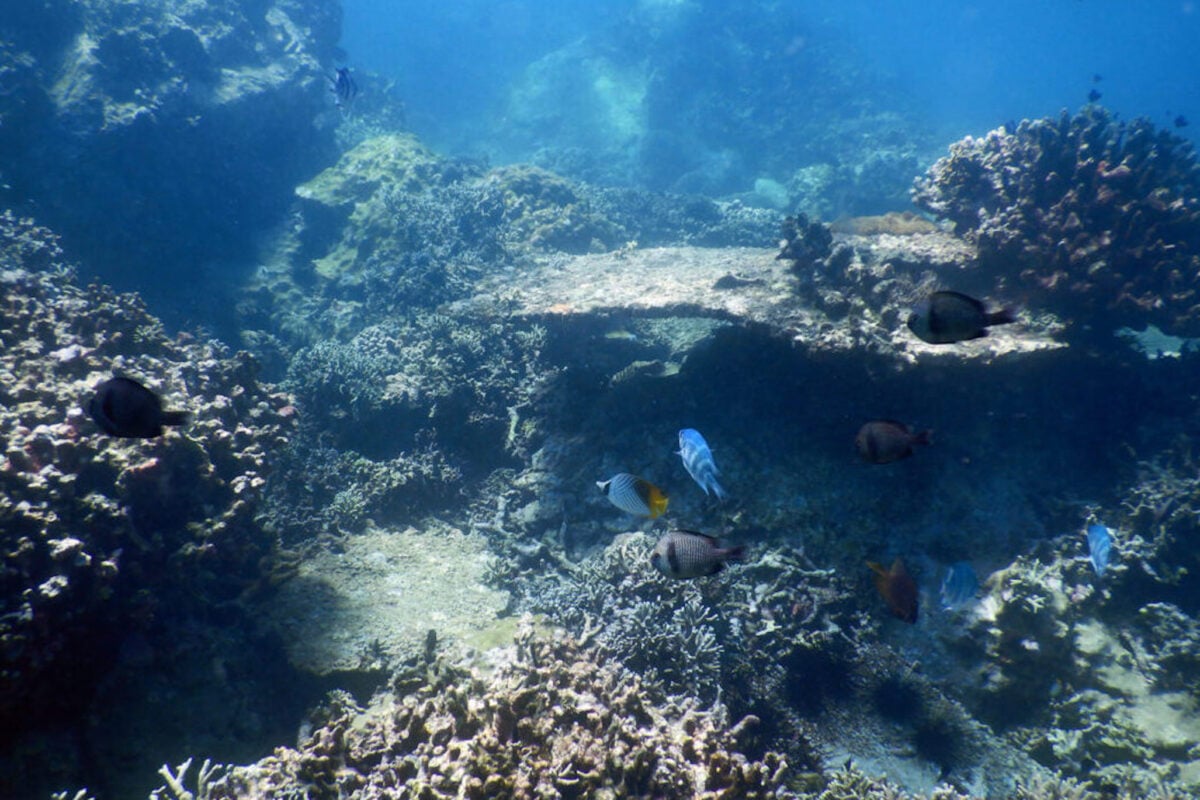
Coral die-off in Hon Mun, Nha Trang. PHOTO: Konstantin Tkachenko.
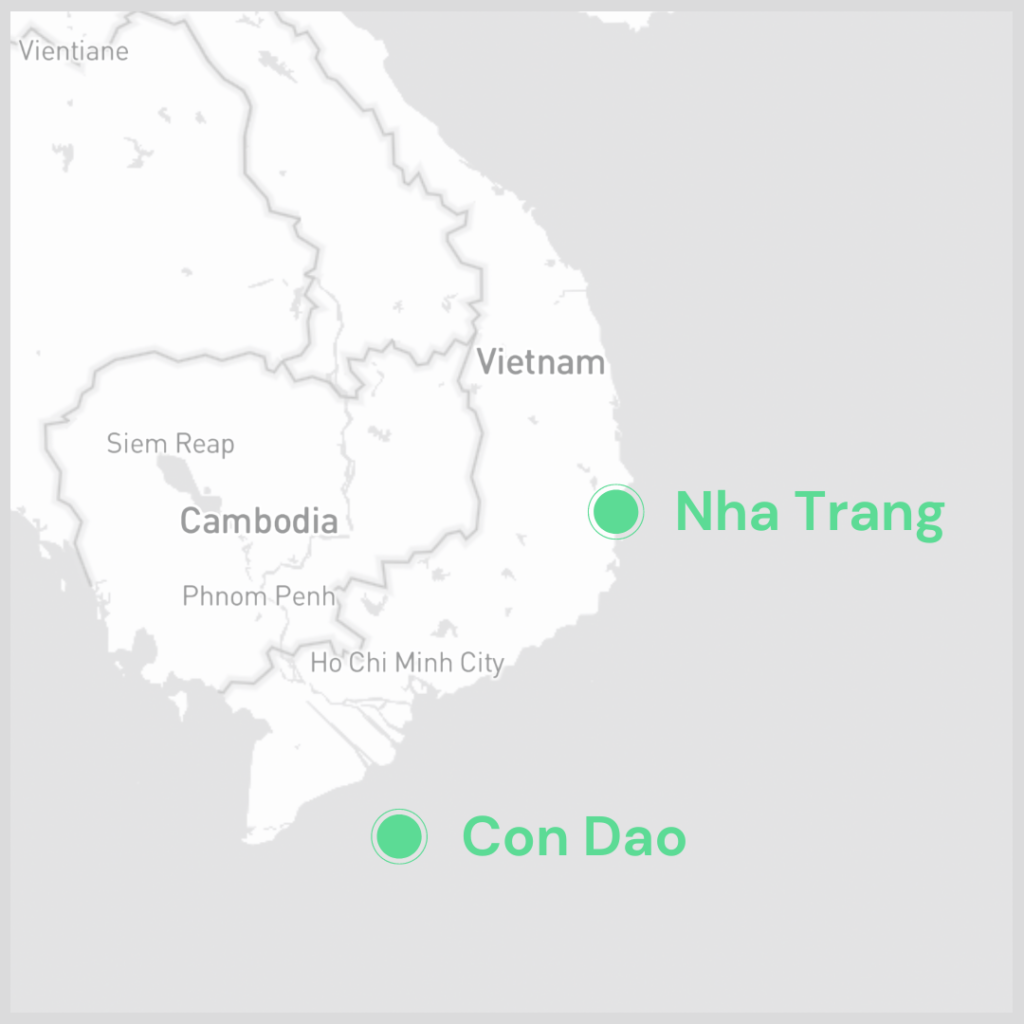
NHA TRANG, VIETNAM ― In Hon Chong, one of Vietnam’s last coral reefs, colorful schools of fish have become distant memories. These days, only small fish lurk behind bleached coral formations, a stark difference from the way some travel brochures depict the place.
Half an hour by boat from Hon Chong is Hon Mun, a marine conservation site once home to more than 340 coral species, and valued at approximately US$70 million for its biodiversity in 2005.
About 10 years before the Covid-19 pandemic, professional divers started noticing a gradual depletion of the coral reefs in the area. They had hoped that lockdowns and border closures would alleviate stress from tourism and revive the reef.
Source: Mapbox
“After two years [of Covid-19], I was speechless to see the ocean bed so empty, the coral all bleached,” photographer Na Son, a diver who has made hundreds of trips down to Hon Mun’s ocean bed, told Mekong Eye in June 2023. Last June, Na Son was one of many divers who spoke to local media about Hon Mun’s alarming coral depletion.
Coral reefs are considered to be one of Vietnam’s national treasures, as the country boasts one of the world’s most diverse ecosystems with 355 species, according to data from the World Resources Institute.
Yet across the country, vital coral reserves are depleting at such an alarming rate that frenzied attempts to salvage what remains are likely to be insufficient to restore the ecosystems.
TTCT – Với đà suy giảm hiện nay, nhiều rạn san hô lộng lẫy rồi sẽ chỉ còn là quá khứ. Là nơi cư trú lý tưởng, là mái nhà trú ẩn, là bãi đẻ cho hàng nghìn loài sinh vật biển, sự suy giảm của san hô mang tới nỗi vô vọng về tương lai của môi trường và nguồn sống.
Mùa hè năm ngoái tôi đưa con đi biển Đà Nẵng. Bước vào cửa khách sạn, con reo lên đòi chụp ảnh với một cây san hô trắng muốt trưng bày giữa sảnh. “Nhành san hô này có khi đã cả trăm tuổi đấy, vì mỗi năm loài này chỉ nhích lên được vài centimet thôi” – tôi nói với con.
Ăn vào tương lai
Một bài học về biển cả mà đứa trẻ bảy tuổi cũng có thể nhắc là rạn san hô là một trong những mái nhà nuôi nấng nguồn lợi biển. Mất rạn san hô không chỉ là mất một vẻ đẹp lộng lẫy của biển cả, mà còn gây ra sự đứt gãy sinh thái lớn hơn rất nhiều, thậm chí gây khủng hoảng cho cả hệ sinh thái ở các bãi, đảo, vịnh trù phú mà con người đang có.
Mất rạn san hô là mất nơi cư trú, nơi sinh sống của các cộng đồng sinh vật có mối liên kết chặt chẽ với nhau: trên rạn có tảo cộng sinh để quang hợp, tạo ra năng suất sơ cấp cho các loài cá ăn tảo, tiếp theo là các loài cá ăn thịt, tạo dây chuyền thức ăn. Rạn san hô không còn thì chuỗi thức ăn đứt gãy, không chỉ nguồn lợi, sản lượng sinh vật có thể khai thác cũng biến mất theo mà chất lượng môi trường biển cũng suy tàn.
Dự án Forest Symphony (thuộc chương trình Hạnh phúc Xanh do Quỹ Sống bền vững triển khai) tiếp tục thực hiện chiến dịch “Trồng rừng vững đất” năm 2023. Với thông điệp “một cây khỏe, triệu người vui”, chiến dịch kêu gọi cộng đồng chung tay trồng thêm 10ha rừng mới (tương đương 44.000 cây) tại tỉnh Sóc Trăng trong năm nay và cùng nhau hướng đến mục tiêu phủ xanh 50ha rừng ngập mặn trong năm năm.
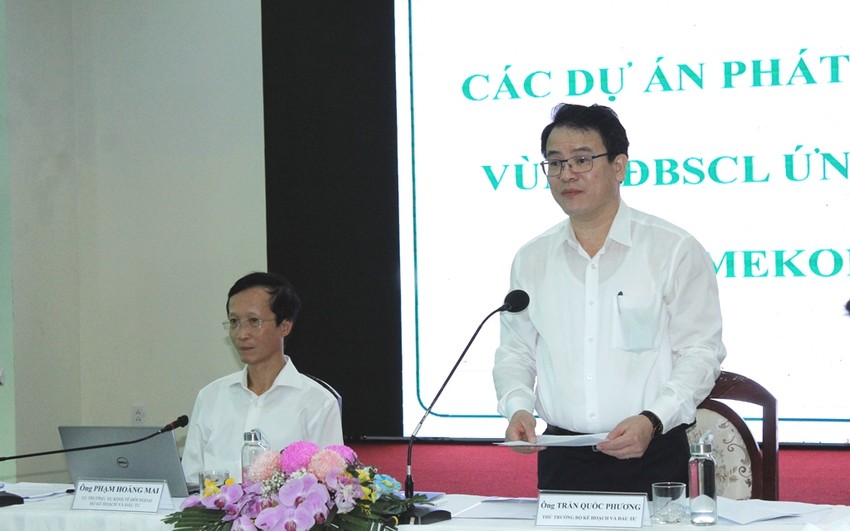
(PLO)- Họp rà soát tiến độ 16 dự án phát triển bền vững vùng ĐBSCL ứng phó với biến đổi khí hậu (Mekong DPO), Bộ KH&ĐT mong các dự án này sẽ được phê duyệt đề xuất trong quý III này.
Ngày 15-7, tại TP Cần Thơ, Bộ KH&ĐT chủ trì hội nghị với 13 tỉnh, thành vùng đồng bằng sông Cửu Long (ĐBSCL) và bộ, ngành liên quan để rà soát, thúc đẩy tiến độ các dự án phát triển bền vững vùng ĐBSCL ứng phó với biến đổi khí hậu (Mekong DPO), gồm 16 dự án.
Thứ trưởng Bộ KH&ĐT Trần Quốc Phương cho biết 3 tháng qua, tiến độ chuẩn bị các dự án Mekong DPO đã có những chuyển biến tích cực.
Cụ thể, đề xuất dự án của Bộ GTVT đã được Thủ tướng phê duyệt đề xuất. Nhiều đề xuất dự án đã được các địa phương điều chỉnh, bổ sung, hoàn thiện căn cứ góp ý của các cơ quan có liên quan và gửi lại Bộ KH&ĐT, Bộ Tài chính.
Trong số các loại KNK gây biến đổi khí hậu toàn cầu, có 3 loại KNK được ghi nhận phát thải chủ yếu trong lĩnh vực nông nghiệp là khí các bô níc (CO2), khí mê tan (CH4) và khí ô xít nitơ (N2O).
Nông nghiệp Việt Nam đóng góp khoảng 30% tổng lượng phát thải khí nhà kính (KNK) toàn quốc. Phát thải KNK trong nông nghiệp tập trung chủ yếu trong 3 lĩnh vực chính: trồng lúa nước phát thải 49,7 triệu tấn CO2 quy đổi (CO2e), chiếm 50%; chăn nuôi phát thải 18,5 triệu tấn CO2e, chiếm 19%; quản lý đất và sử dụng phân bón phát thải 13,2 triệu tấn CO2e, chiếm 13%. Các loại KNK phát thải chính trong lĩnh vực nông nghiệp bao gồm khí CH4, N2O và CO2. Nghiên cứu về cơ chế phát thải của từng loại KNK trong từng lĩnh vực sản xuất nông nghiệp cụ thể đã tạo cơ sở khoa học cho đề xuất các giải pháp nhằm xử lý hiệu quả phát thải KNK trong nông nghiệp. Cụ thể, giải pháp chuyển đổi đất lúa và áp dụng tưới tiêu chủ động (nông lộ phơi), giải pháp cải thiện chế độ dinh dưỡng cho trâu bò và sử dụng các công nghệ xử lý chất thải chăn nuôi bằng khí sinh học, thu gom và sản xuất phân bón hữu cơ, giải pháp quản lý đất và sử dụng phân đạm hợp lý đã được đề xuất áp dụng nhằm giảm phát thải KNK trong nông nghiệp. Tuy nhiên, để các công nghệ giảm phát thải KNK trong nông nghiệp được áp dụng rộng rãi, nhà nước cần có chính sách hỗ trợ các nghiên cứu để việc đầu tư các công nghệ vừa giúp giảm phát thải KNK lại vừa thực sự đem lại hiệu quả kinh tế cho nông dân.
Tổng quan về phát thải KNK trong lĩnh vực nông nghiệp
Note: “Tập đoàn Orsted, Tập đoàn năng lượng lớn nhất Đan Mạch và nhà phát triển điện gió ngoài khơi lớn nhất thế giới, mới đây đã tuyên bố giảm mục tiêu tham vọng và rút khỏi thị trường Việt Nam.“
Năng lượng gió thì vô hạn nhưng nguồn lực đầu tư, vốn thì hữu hạn. Nếu không có những chính sách, cơ chế cụ thể thì nguồn lực đầu tư này sẽ chuyển từ Việt Nam sang những khu vực khác trên thế giới.
Các tổ chức quốc tế đánh giá Việt Nam có tiềm năng về điện gió lớn nhất Đông Nam Á, vượt xa các quốc gia khác. Hội đồng năng lượng gió toàn cầu (GWEC) đã ước tính, Việt Nam có khoảng 600 GWh điện gió chưa khai thác, gồm 300 GWh điện gió ngoài khơi và 300 GWh điện gió trên bờ.
Enormous water diversion projects spark concern across region
Water is released from the Xiaolangdi Reservoir Dam on the Yellow River in a sand-discharging operation. July 2022, Luoyang, China. (Footage via Getty Images)
Drought in China dried up parts of the Yangtze river last year – but the largest water transfer apparatus ever built still drew from it to supply Beijing’s needs.
More than a billion cubic meters flowed through the colossal South-to-North Water Diversion Project in 2022. It traveled from a reservoir in central China to millions of households in the capital 1,200 kilometers away. The journey, via underground tunnels and canals that cross the Yellow River, roughly equaled the distance between Amsterdam and Rome.
The movement highlights the scale of China’s measures to shore up water security – and the profound potential effects these have on neighboring countries.
Many of Asia’s transboundary rivers originate in the Indo-Tibetan plateau in China. They flow into 18 downstream nations such as India, Kazakhstan, Bangladesh and Vietnam, delivering water to a quarter of the world’s population.
That alone makes the world’s second most populous nation an upstream superpower with enormous influence over irrigation of much of the continent. Projects such as building dams and hydropower plants potentially fuel existing regional political tensions – and create new ones.
Tác giả: Nam Sơn Trần Văn Chi – Published: 08 Tháng Ba 2019
Trích bài 3 – Lớp Dự bị – Đi học để làm gì
“Bác hỏi tôi đi học để làm gì. Tôi xin nói bác nghe. Tôi đi học để biết đọc những thư từ người ta gởi cho tôi và viết những thư từ tôi gởi cho người ta. Tôi đi học để biết đọc sách, đọc nhật báo, thấy điều gì hay thì bắt chước. Tôi đi học để biết tính toán, biết mọi sự vật và biết phép vệ sinh mà giữ gìn thân thể cho khỏe mạnh.
Nhưng tôi đi học cốt nhất là biết luân lý, để hiểu cách ăn ở thành người con hiếu thảo và người dân lương thiện.
Bài 1: Thân phận lạc loài
Những ai, trong chúng ta, ở độ tuổi 60 trở về trước, hẳn còn nhớ bộ sách Quốc Văn Giáo Khoa Thư ( QVGKT); Có thể đã từng đọc qua hoặc đã nghe đâu đó kể, hoặc đọc qua một vài đoạn, vài bài trong đó. Ðã nửa thế kỷ qua đủ để chúng ta quên nó. Và đủ để chúng ta nhớ nó; nhưng dù thế nào nay đọc lại cũng gây cho chúng ta ít nhiều hoài niệm về thời thơ ấu. Thời mà ngày hai buổi cấp sách đến trường, thời ăn chưa no, lo chưa tới của tuổi học trò.
Trong buổi sơ khai của chữ quốc ngữ (không phải chữ Hán, chữ Tây), bộ QVGKT là bộ sách giáo khoa, do nhà nước Pháp, mà trực tiếp là Nha Học Chánh Ðông Pháp, giao cho quí ông Trần Trọng Kim, Nguyễn Văn Ngọc, Ðặng Ðình Phúc và Ðỗ Thận cùng biên soạn. Bộ QVGKT gồm có 3 quyển:
– Quyển dành cho lớp Ðồng Ấu ( Cours Enfantin) là quyển dạy về luân lý (Morale) qua các bài tập đọc và tập viết.
– Quyển dành cho lớp Dự Bị ( Cours Préparatoire)
– Và quyển dành cho lớp Sơ Ðẳng ( Cours Elementaire).
Hai quyển Dự Bị và Sơ Ðẳng gồm các bài tập đọc (lecture), chứa đựng nội dung bao gồm: Sử ký, Ðịa Dư, Cách trí, Vạn vật, Vệ Sinh, Ðạo Ðức, Gia Ðình…
Chưa có dịp tìm một cách chính xác xem coi bộ QVGKT xuất bản đầu tiên năm nào, nhưng theo bản mà chúng tôi đọc, xuất bản năm 1939 thì đã in lần thứ mười ba. Như vậy án chừng sách xuất bản đầu tiên vào những năm đầu thế kỷ 20.
Nửa thập kỷ trước, Bắc Kinh từng là thành phố thuộc nhóm ô nhiễm không khí nhất thế giới. Tính trên toàn Trung Quốc, tình trạng khói mù dày đặc xuất hiện ở 25/31 tỉnh thành, bao phủ hơn 100 thành phố lớn hoặc cấp trung, lan rộng trên diện tích 1,4 triệu km2 và ảnh hưởng đến hơn 800 triệu người.
Cuộc “khủng hoảng” khói mù này buộc chính phủ Trung Quốc khởi động “cuộc chiến tổng lực” với các biện pháp mạnh tay hơn và mang tính hệ thống, thông qua Kế hoạch hành động phòng chống ô nhiễm không khí giai đoạn 2013-2017, được ban hành vào tháng 9/2013.
Kế hoạch này đặt ra mục tiêu hàm lượng PM10 (bụi mịn đường kính 10 micromet trở xuống) tại các thành phố từ cấp địa khu trở lên phải giảm ít nhất 10% so với năm 2012, hàm lượng PM2.5 tại khu vực Kinh Tân Hà phải giảm khoảng 25%. Riêng đối với Bắc Kinh, hàm lượng PM2.5 phải giảm từ mức gần 90 xuống còn khoảng 60 microgram/m3 sau 5 năm theo kế hoạch.
Đây không phải những mục tiêu dễ đạt được. Tuy nhiên, theo số liệu chính thức được công bố cuối năm 2017, Bắc Kinh dường như đã đạt được mọi mục tiêu lớn được đề ra trong kế hoạch hành động năm 2013. Ngoài việc hàm lượng PM2.5 giảm xuống còn 58 microgram/m3 (tương đương giảm 35,6% so với năm 2013), hàm lượng lưu huỳnh điôxit (SO2), nitơ điôxit (NO2), PM10 trong không khí cũng lần lượt giảm 70%, 18% và 22%.
Trung Quốc đã làm gì để thoát khỏi tình trạng ô nhiễm không khí
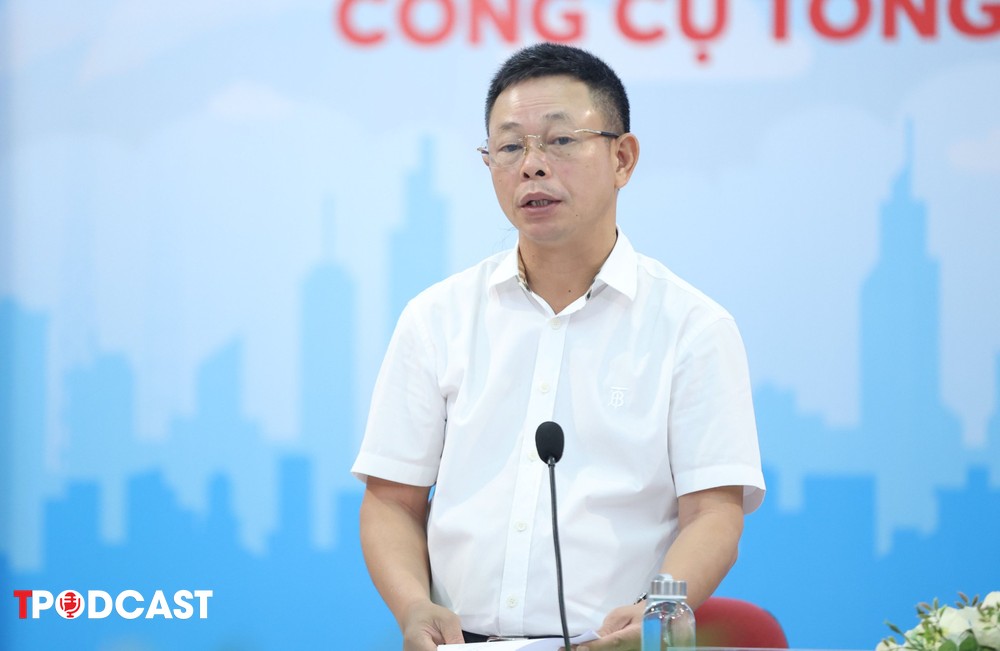
TPO – Báo cáo môi trường quốc gia về môi trường không khí cho thấy, ô nhiễm không khí tại Hà Nội cũng như các tỉnh miền Bắc chủ yếu là ô nhiễm bụi PM2,5, – loại bụi được coi là tử thần trong không khí khi có thể đi sâu vào phổi – thông tin trên được cho biết tại Tọa đàm “Quản lý Chất lượng không khí: Công cụ tổng thể kiểm soát giảm thiểu ô nhiễm”, do Báo Tiền Phong phối hợp Trung tâm Truyền thông Tài nguyên và Môi trường – Bộ Tài nguyên và Môi trường tổ chức sáng 28/7.
Sáng nay, 28/7, Báo Tiền Phong phối hợp với Trung tâm Truyền thông Tài nguyên và Môi trường – Bộ Tài nguyên và Môi trường tổ chức Tọa đàm “Quản lý Chất lượng không khí: Công cụ tổng thể kiểm soát giảm thiểu ô nhiễm”.
Tọa đàm được thực hiện trong bối cảnh, ô nhiễm không khí là vấn đề môi trường rất nghiêm trọng tại Việt Nam những năm qua, đặc biệt là các thành phố lớn như Hà Nội, TPHCM. Ô nhiễm môi trường không khí không chỉ ảnh hưởng trực tiếp đến sức khỏe con người mà còn tác động đến sự phát triển kinh tế xã hội của đất nước.
Thiệt hại do ô nhiễm không khí vô cùng lớn
Phát biểu mở đầu buổi Tọa đàm, Nhà báo Phùng Công Sưởng – Phó Tổng biên tập Báo Tiền Phong nhận định, chúng ta đều đang sống ở các thành phố lớn, nơi mà mỗi mùa đông, chúng ta đều cảm nhận rõ rệt bầu không khí ô nhiễm. Hình ảnh bầu trời mù mịt, khói bụi bao phủ đã trở nên quen thuộc ở Hà Nội và nhiều thành phố lớn những năm qua.
(Chinhphu.vn) – Phó Thủ tướng Trần Hồng Hà ký Quyết định số 893/QĐ-TTg phê duyệt Quy hoạch tổng thể về năng lượng quốc gia thời kỳ 2021 – 2030, tầm nhìn đến năm 2050.
27/07/2023 17:33
Quy hoạch tổng thể về năng lượng quốc gia thời kỳ 2021 – 2030, tầm nhìn đến năm 2050.
Mục tiêu tổng quát của Quy hoạch là bảo đảm vững chắc an ninh năng lượng quốc gia, đáp ứng yêu cầu phát triển kinh tế – xã hội và công nghiệp hóa, hiện đại hóa đất nước, bảo đảm quốc phòng, an ninh, nâng cao đời sống của nhân dân, bảo vệ môi trường sinh thái.
Thực hiện thành công chuyển đổi năng lượng góp phần quan trọng đáp ứng mục tiêu phát thải ròng bằng “0” vào năm 2050. Ngành năng lượng phát triển hài hoà giữa các phân ngành với hạ tầng đồng bộ và thông minh, đạt trình độ tiên tiến của khu vực, phù hợp với xu thế phát triển khoa học công nghệ của thế giới.
Phát triển ngành công nghiệp năng lượng độc lập tự chủ; hình thành hệ sinh thái công nghiệp năng lượng tổng thể dựa trên năng lượng tái tạo, năng lượng mới, hướng tới trở thành một trung tâm công nghiệp năng lượng sạch và xuất khẩu năng lượng tái tạo của khu vực.
way from the eyes of the world, a brutal civil war is intensifying in Myanmar. Thousands of civilians have been killed, including more than 150 in a devastating airstrike last week.
The repressive military regime that seized power two years ago doesn’t allow journalists to report freely inside the country, as it attempts to suppress coverage, but following painstaking negotiations with local contacts, we travelled secretly into rebel-controlled territory in order to document the conflict. Only a handful of other international journalists have been able to make the journey: young men and women who were once peaceful protesters are now part of an armed rebellion, sacrificing their lives in the hope of being able to restore democracy. We were given rare access to the Generation Z guerrillas who have been on the frontlines.
Not far from the banks of the idyllic Salween River, which divides Thailand and Myanmar, a white pick-up truck is speeding towards us. The men inside look like professional soldiers, dressed in camouflage uniforms and clutching automatic weapons. But one is a former baker, while another used to be an engineer. In fact, most of them had never even held a gun until a military coup in 2021.
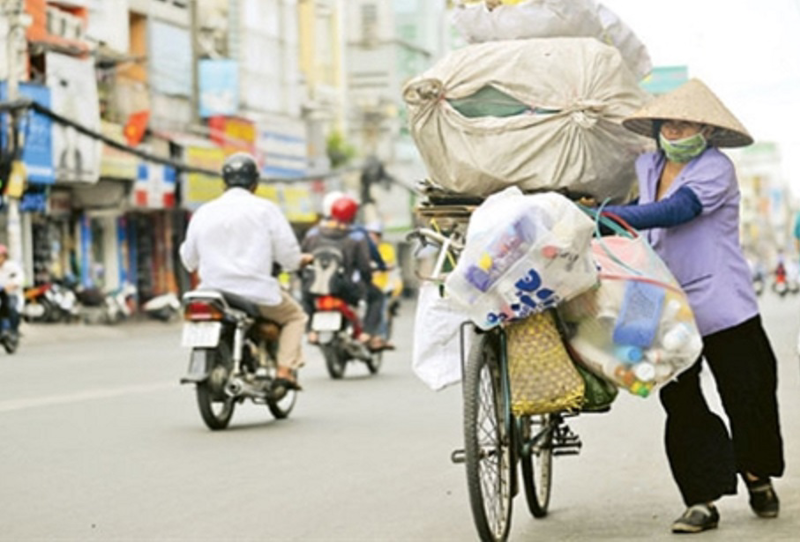
Lực lượng lao động phi chính thức đóng vai trò hết sức quan trọng trong hệ thống thu gom rác thải, vì theo ước tính hơn 30% lượng rác thải được thu gom thông qua kênh này. Vai trò và nhu cầu của nghề ve chai, đồng cần được hiểu rõ để chuẩn bị cho sự tham gia của họ vào khung chính sách…
Cân nhắc nghiên cứu và xem hoạt động kinh doanh phế liệu là một ngành chính thức.
Đề xuất tại hội thảo “Chia sẻ kinh nghiệm từ các Dự án thí điểm cùng với các nữ lao động phi chính thức tại Việt Nam”, đại diện Enda Vietnam cho rằng, cần cân nhắc nghiên cứu và xem hoạt động kinh doanh phế liệu là một ngành chính thức.




 CVD
CVD