I'm from Hanoi, Viet Nam.
I'm an author of Dot Chuoi Non (dotchuoinon.com/author/hangbelu/), a blog on Positive thinking, founded by Dr. Tran Dinh Hoanh, an attorney in Washington DC.
I'm a co-founder of Conversations on Vietnam Development - cvdvn.net, a virtual think tank. I am a co-founder of two companies in Viet Nam working on children education services. I advise companies on STEAM education, English language education for children and students in Vietnam.
I'm studying the Buddha's teaching and the teaching of Jesus. I practice mindful living including meditation.
I hold a PhD on Sustainable Energy Systems from University of Lisbon and Aalto University.
I graduated from Hanoi University of Technology on Environmental Engineering. I obtained a Master degree of the same major from Stanford University and Nanyang Technological University.
My English-language blog at: hangbelu.wordpress/.
I play table tennis as a hobby.
Greenhouse gas emissions can be offset by carbon sinks such as forests, but expanding these areas can put Indigenous communities, reliant on the forests, at risk.
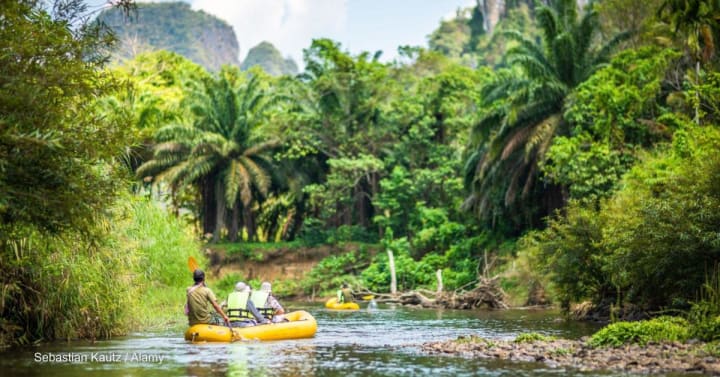
Khao Sok rainforest in Thailand. Photo by: Sebastian Kautz / Alamy
From Khao Sok National Park in the southwest to Phu Chi Fa Forest Park in the north, forests cover around 30% of Thailand’s total area. Approximately 23 million people live near or in these lush green landscapes, depending on them for sustenance and livelihoods. But that’s now at risk, due to both climate change-related threats and the policies implemented to protect the forests.
Warangkana Rattanarat, Thailand country director for The Center for People and Forests, warned that the arrival of El Niño earlier this year has caused long droughts and less rain, damaging crops and other forest resources. This has affected the availability of food, as well as the income local people can derive from forest resources, she added.
The country has also experienced floods and the highest temperatures on record this year, impacting forests and the communities within them. In theGermanWatch Global Climate Risk Index 2021, Thailand ranked at number nine globally for long-term climate risks.
Additionally, there are land and tenure rights issues for Indigenous forest communities to contend with, and national climate commitments that have the potential to negatively impact such communities, said experts.
Activists from Jewish Voice for Peace group unfurl banners reading ‘Palestinians should be free’ at the base of New York landmark.
Activists from Jewish Voice for Peace occupy the pedestal of the Statue of Liberty. [Stephanie Keith/Getty Images via AFP]
Published On 7 Nov 20237 Nov 2023
Hundreds of US Jewish activists have peacefully occupied New York’s Statue of Liberty to demand an end to Israel’s “genocidal bombardment” of civilians in Gaza and a ceasefire.
Dressed in black T-shirts emblazoned with the slogans “Jews demand ceasefire now” or “Not in our name”, the protesters from the Jewish Voice for Peace group on Monday unfurled banners reading “The whole world is watching” and “Palestinians should be free” at the base of New York’s landmark.
On Saturday, tens of thousands of demonstrators, gathered in Washington, DC to call for an immediate ceasefire in the Gaza Strip, and to denounce US policy of support for Israel.
Dr. Mohammed Obeid, a surgeon with Doctors Without Borders/Médecins Sans Frontières (MSF) working inside Al-Shifa hospital in Gaza, described the situation on November 11, 2023. “Since this morning, there is no electricity. There is no water. There is no food,” he said. The hospital and the areas outside the hospital where people are sheltering have been hit with bombs. A sniper has wounded patients inside the hospital. Premature babies have died because the incubator cannot function without electricity. “We need help,” he said. “No one hears us.”
Premature babies are dying at Gaza’s al-Shifa Hospital
Healthcare workers gathered in front of UK Prime Minister Rishi Sunak’s office in London, raising signs with the names of more than 200 physicians who have been killed so far by Israel’s constant bombardment of Gaza.
Doctor who worked in Gaza describes dire situation at Al-Shifa Hospital
Trade unions, youth movements, and Palestine solidarity groups have organized protests and blockades across Europe, opposing the role of their governments in Israel’s genocidal war on PalestiniansNovember 03, 2023 by Peoples Dispatch
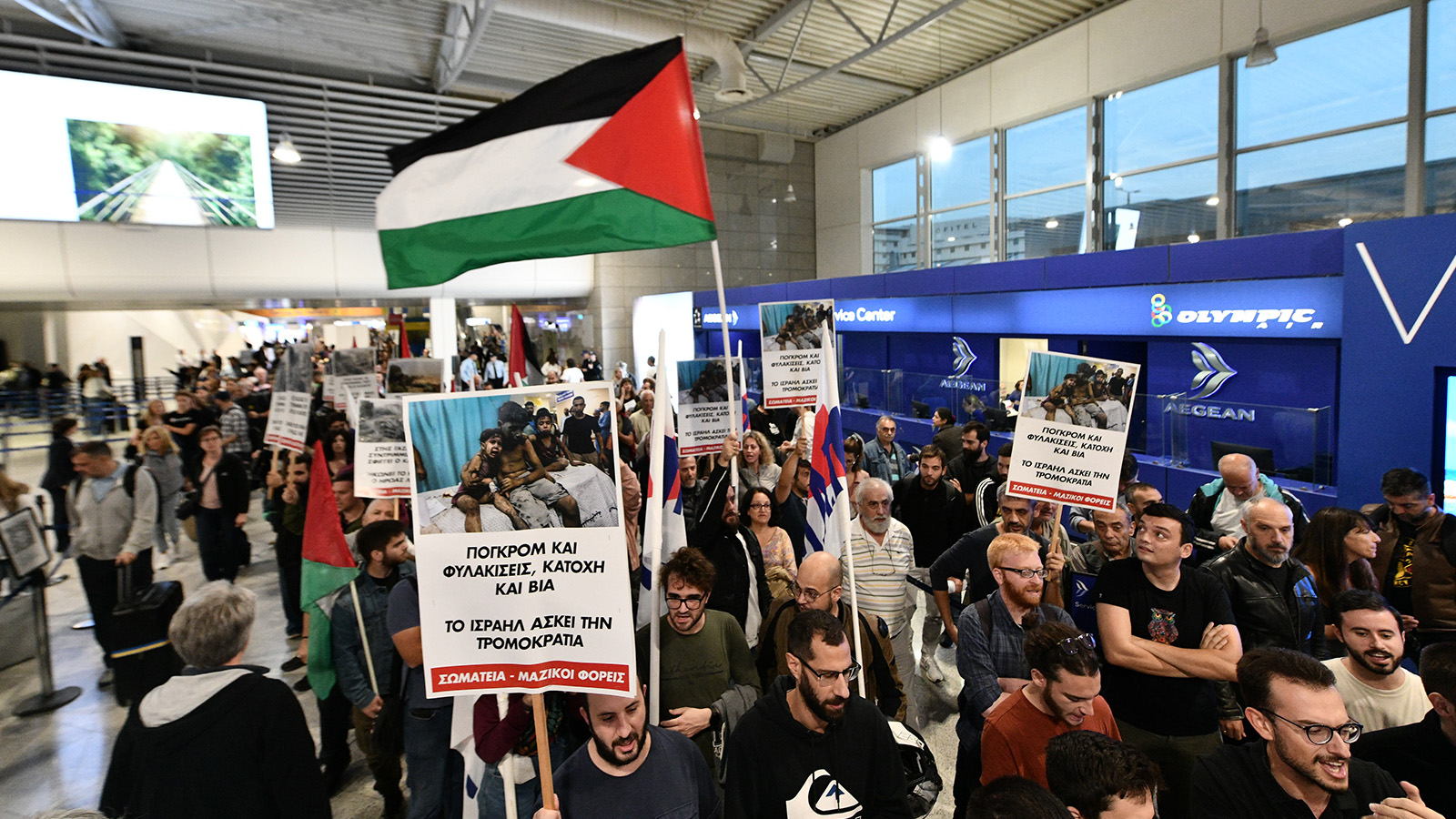
Trade unionists of PAME carry out flash protest inside Athens International Airport (Photo: PAME)
As Israel’s genocidal war on Gaza continues unabated for the fourth week straight, workers across Europe have stepped up their solidarity with Palestine and organized resistance to the supply of arms from various parts of the continent to Israel.
On Thursday, November 2, Greek trade unionists from the All Workers Militant Front (PAME) held a flash protest inside the Athens International Airport in solidarity with Palestine. The protest started in front of the offices of the Israeli airline El Al with protesters then marching inside the airport denouncing the genocidal war against Palestinians.
In their statement, PAME harshly criticized Israeli war crimes in Gaza. “No one can remain silent when the death toll from Israeli bombing in Gaza exceeds 8,000, including over 3000 children and over 1000 women,” PAME said.
“No one can remain silent when a child is killed in Gaza every 10 minutes. No one can remain silent when there are more than 15,000 wounded in Gaza without the necessary treatment because of the suffocating blockade by the murderer state of Israel.”
PAME has also demanded that the Greek government stop all economic, political, and military cooperation with Israel. The union called for an end to the facilitation of bases and other infrastructure by Greece to the US, NATO, and Israel.
PAME has also called for the immediate recognition of the Palestinian state along the 1967 borders with East Jerusalem as its capital.
Meanwhile, on October 31, transport unions in Belgium including the Belgian Union of Transport Workers (BTB), BBTK, ACV-Transcom, and ACV Puls issued a joint statement announcing their resolve to refuse loading or unloading weapons in transit to Israel, which are destined for the genocidal war against the Palestinians.
In their statement, the trade unions said that while genocide is taking place in Palestine, workers at various airports in Belgium note the arrival of arms shipments to the conflict zone. Workers’ participation in loading or unloading these weapons “means supporting regimes that kill innocent people,” the statement said.
In the UK, on October 31, activists from Palestine Action blockaded the road to the headquarters of Elbit Systems in Bristol, notorious for manufacturing parts for Israeli drones and other pilotless aircraft.
DKU activist blocading Terma A/S in Soborg (Photo: DKU)
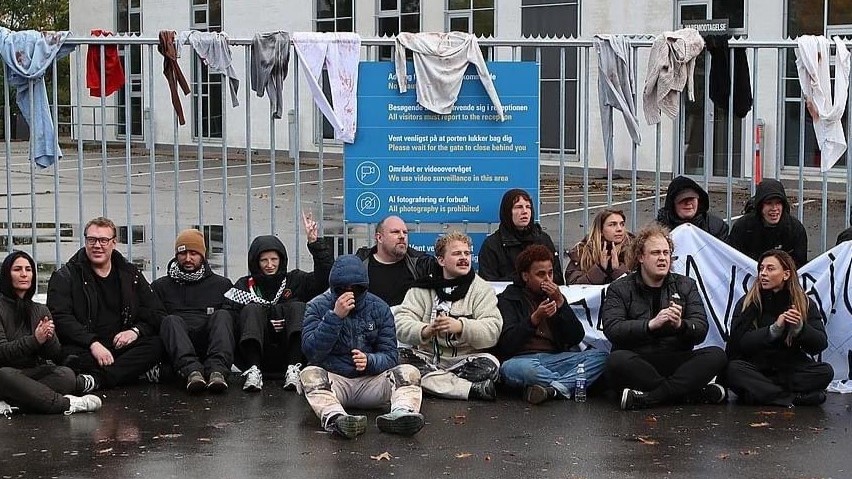
On October 30, in Demark, activists from various anti-war groups including the Communist Youth of Denmark (DKU), blocked all entrances to the Søborg plant of the Danish arms company, Terma, in protest against its sale of weapons and equipment to the Israeli Defense Forces.
According to reports, the Aarhus-based defense contractor supplies Israel with equipment for F-16 and F-35 fighter jets, which Israel uses to bomb Gaza. Terma has also been accused of sending arms for the war in Yemen.
During the blockade at Terma, DKU members hung up blood-stained children’s clothes to symbolize the consequences of Terma’s bloody business for civilians in Palestine.
Dagbladet Arbejderen has reported that the protestors have demanded that authorities publish all information about Terma’s activities and disseminate that information in a way that allows the people of Denmark to understand exactly what the company is doing.
They also demanded and end to the manufacturing of weapons parts used by the Israeli military and the termination of their agreements with F35 manufacturer Lockheed Martin, which supplies the Israeli genocidal apparatus.
As of November 3, the ongoing genocidal war carried out by Israel in the Gaza Strip since October 7, has claimed the lives of more than 9,000 people, wounded more than 30,000 people, and displaced over 1.4 million.
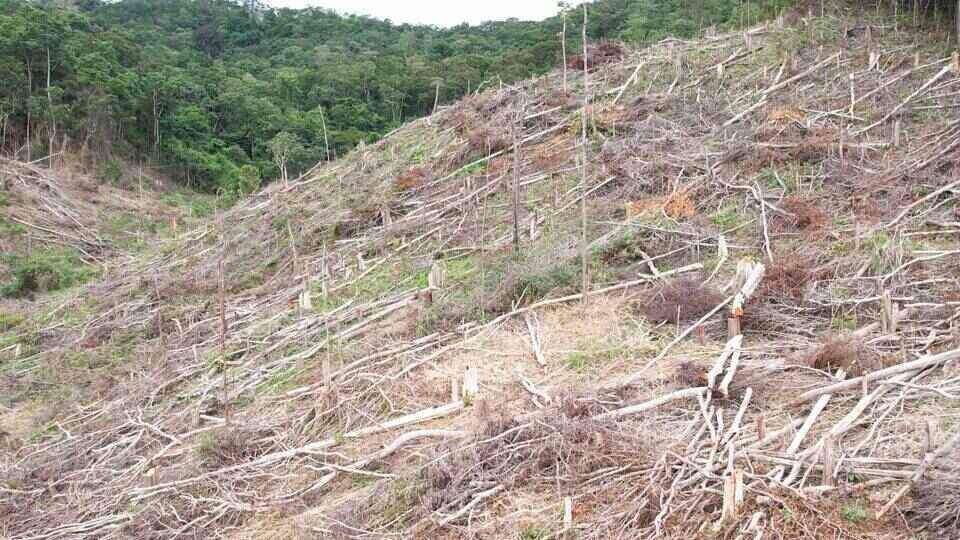
Một vụ phá rừng trái phép với quy mô lớn vừa xảy ra tại huyện Kông Chro, tỉnh Gia Lai. Người dân sở tại đã phá trắng gần 5 ha rừng tự nhiên để lấy đất làm nương rẫy. Vụ việc không chỉ ảnh hưởng đến nguồn lợi lâm sản mà còn gây thiệt hại cho môi trường sinh thái và an ninh trật tự của địa phương.
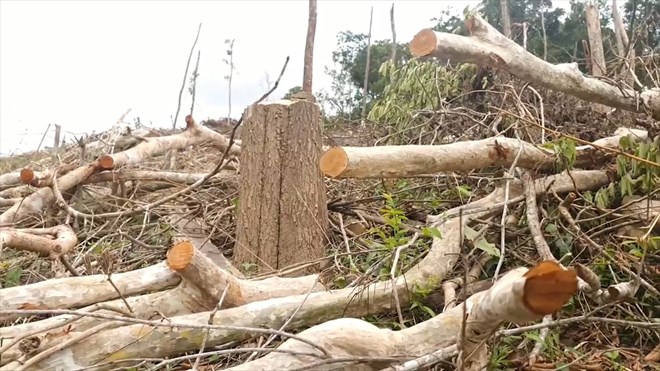
Những cây gỗ lớn bị đốn hạ. Ảnh: Thanh Tuấn
Theo ghi nhận của cơ quan chức năng, tại Tiểu khu 793 thuộc lâm phần Công ty TNHH Một thành viên Lâm nghiệp Kông H’de, thuộc xã Sró, huyện Kông Chro, 2 khoảnh rừng tự nhiên bị phá trắng, diện tích gần 5 ha, trong đó có khoảng 3 ha diện tích rừng có gỗ.
Kiểm đếm ban đầu, trên 641 cây rừng có đường kính gốc từ 8 cm – 30cm gồm nhiều loại như: Căm xe, bằng lăng, bình linh… bị chặt hạ.
Hàng loạt cây rừng lớn nhỏ bị đốn hạ bằng cưa xăng, gãy đỗ la liệt. Ảnh: Thanh Tuấn
Ông Lê Văn Thuỷ – Giám đốc Công ty TNHH Một thành viên Lâm nghiệp Kông H’de, Gia Lai cho biết: “6, 7 hộ dân dùng cưa xăng, hạ cây rừng rất nhanh. Công ty phát hiện, nhưng chậm can thiệp vì nước lớn, khó qua sông. Tôi là người đứng đầu nên chịu trách nhiệm”.
This Gazan doctor won't let himself feel hate – despite losing 25 members of his family in an Israeli airstrike last week, and the deaths of his daughters 14 years ago. pic.twitter.com/QLbVZOtcik
Rabies is not considered to be a disease of economic importance, because it does not hurt international trade and mainly affects marginalised communities. A new study explores how the ancient zoonotic disease has spread across Southeast Asia post-pandemic, and how it can be eliminated.
One of the world’s oldest diseases has been spreading across Southeast Asia, infecting poor communities in remote parts of the region where it has not previously been considered to be a problem.
Rabies, a zoonotic disease caricaturised by aggressive, salivating dogs that is virtually 100 per cent fatal once it enters the central nervous system, has spread because the resources needed to control the disease have been diverted to control Covid-19, according to experts in a new study on the prevalence of the virus in Southeast Asia and how to fight it.
Philippines ‘failing to control’ rabies Read now →
Theo Tổ chức Y tế thế giới, từ đầu năm đến nay Việt Nam đã có 61 trường hợp tử vong do bệnh dại ở 26 tỉnh, thành, cao hơn đáng kể so với cùng kỳ năm ngoái.
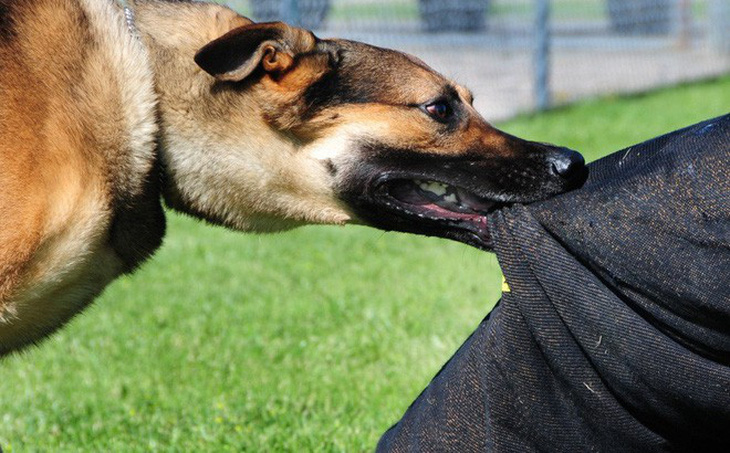
Chó dữ tấn công người – Ảnh: MXH
Người tử vong vì bệnh dại vẫn cao
Ngày Thế giới phòng chống bệnh dại năm nay (ngày 28-9) có chủ đề “Tất cả vì Một, Một Sức khỏe cho tất cả”. Với kế hoạch chiến lược toàn cầu “Zero by 30”, thế giới có một mục tiêu chung nhằm loại bỏ hoàn toàn các ca tử vong do bệnh dại ở người vào năm 2030.
Theo Tổ chức Y tế thế giới (WHO), mặc dù Việt Nam đã đạt được một số tiến bộ trong 10 năm qua, thế nhưng mỗi năm vẫn ghi nhận có từ 70 đến 100 trường hợp tử vong do bệnh dại.
Trong 8 tháng đầu năm, cả nước đã có 61 trường hợp tử vong ở 26 tỉnh thành, cao hơn đáng kể so với cùng kỳ năm ngoái. Mặc dù số ca tử vong do bệnh dại ở một số tỉnh đã giảm đáng kể, chỉ số này vẫn tăng ở 20 tỉnh trong giai đoạn 5 năm (2017-2021), so với giai đoạn 2011-2016.
Tiến sĩ Angela Pratt, trưởng đại diện WHO tại Việt Nam, nhấn mạnh sự cần thiết về một cam kết mạnh mẽ và hướng mục tiêu vào các lĩnh vực ưu tiên nhằm loại bỏ tử vong do bệnh dại vào năm 2030.
Queen Rania Al Abdullah of Jordan has called for a ceasefire in Israel’s war against Hamas, saying that supporting the protection of Palestinian lives does not equal being antisemitic or pro-terrorism.
“Let me be very, very clear. Being pro-Palestinian is not being antisemitic, being pro-Palestinian does not mean you’re pro-Hamas or pro-terrorism,” Rania told CNN’s Becky Anderson on Sunday.
“What we’ve seen in recent years is the charge of antisemitism being weaponized in order to silence any criticism of Israel,” she said.
“I want to absolutely and wholeheartedly condemn antisemitism and Islamophobia…but I also want to remind everyone that Israel does not represent all the Jewish people around the world. Israel is a state and is alone is responsible for its own crimes.”
Queen of Jordan, Rania Al-Abdullah, speaks during the Web Summit, Europe’s largest technology conference, in Lisbon, Portugal, November 2, 2022. REUTERS/Pedro NunesPedro Nunes/Reuters
Israel declared a “complete siege” on Gaza following the October 7 terror attacks by Palestinian militant group Hamas, which controls the coastal enclave.
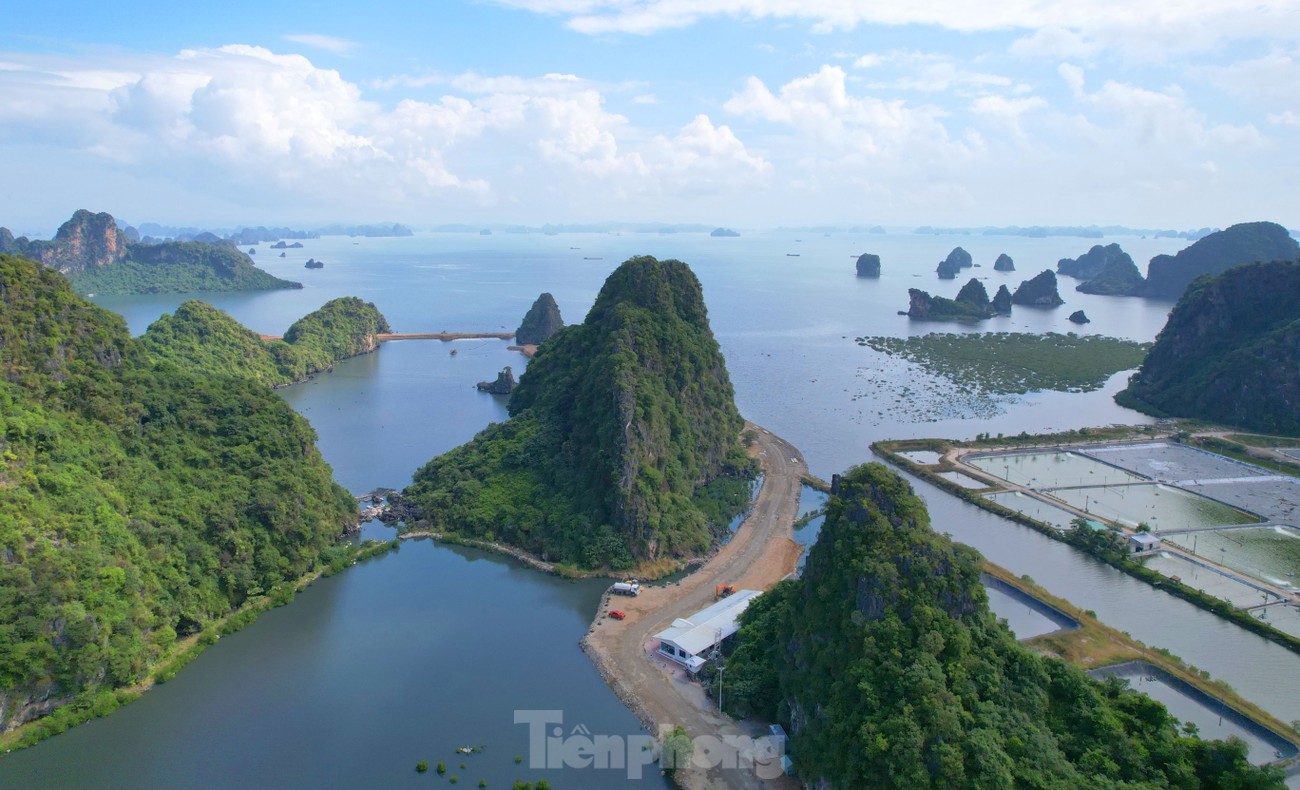
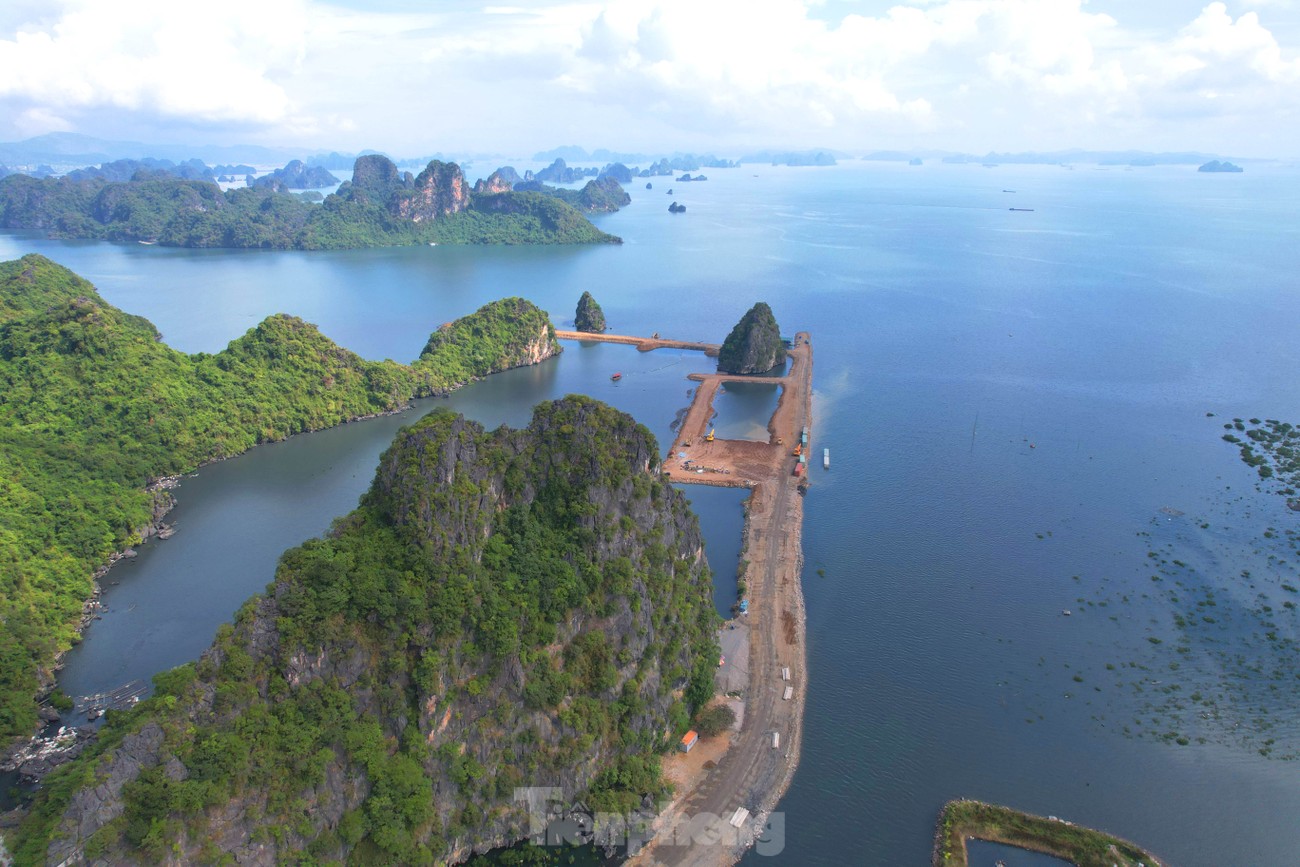
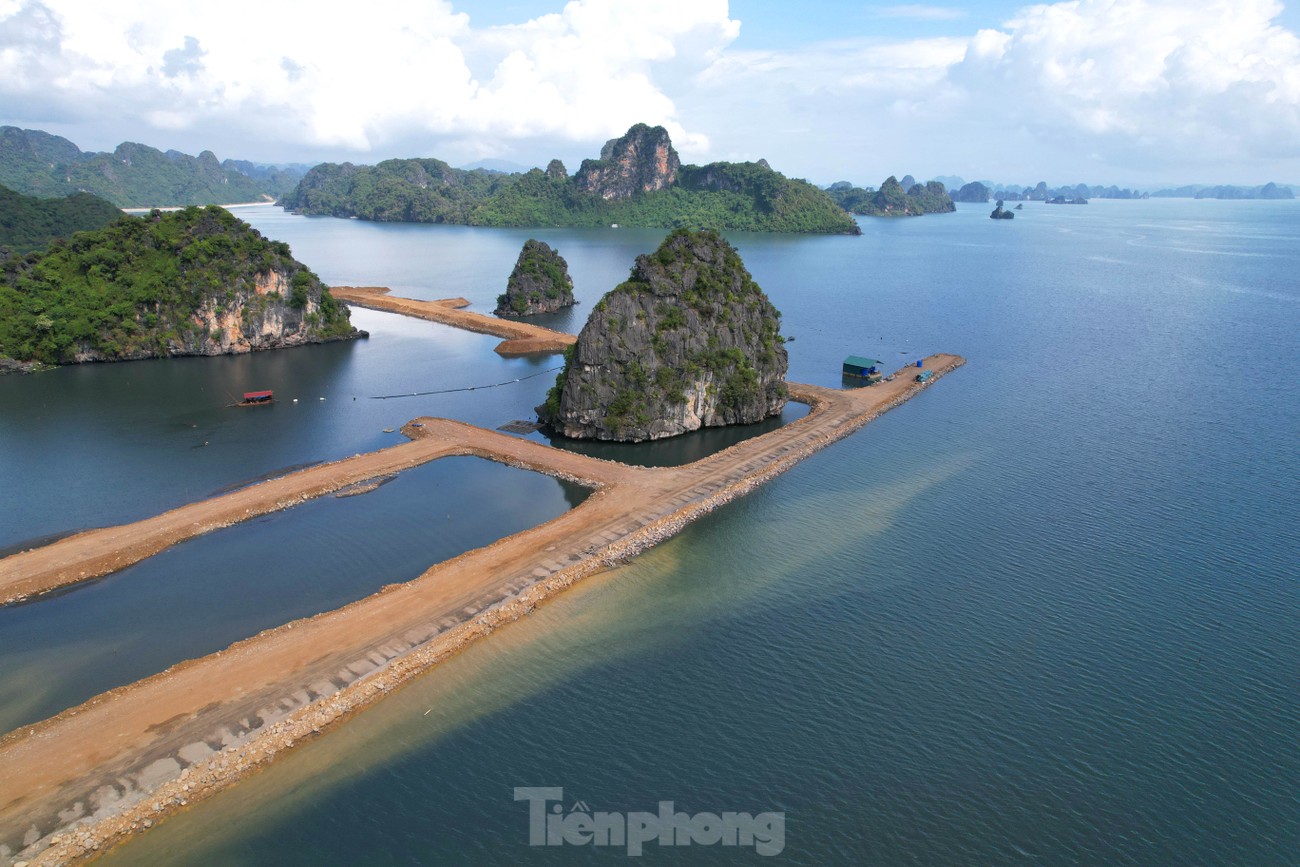
TPO – Hàng loạt núi đá di sản vịnh Hạ Long (Quảng Ninh) đang bị một dự án quy mô quây kín. Trao đổi với Tiền Phong, đại diện lãnh đạo Ban Quản lý vịnh Hạ Long khẳng định vị trí thực hiện dự án nằm trong vùng đệm của vịnh Hạ Long.
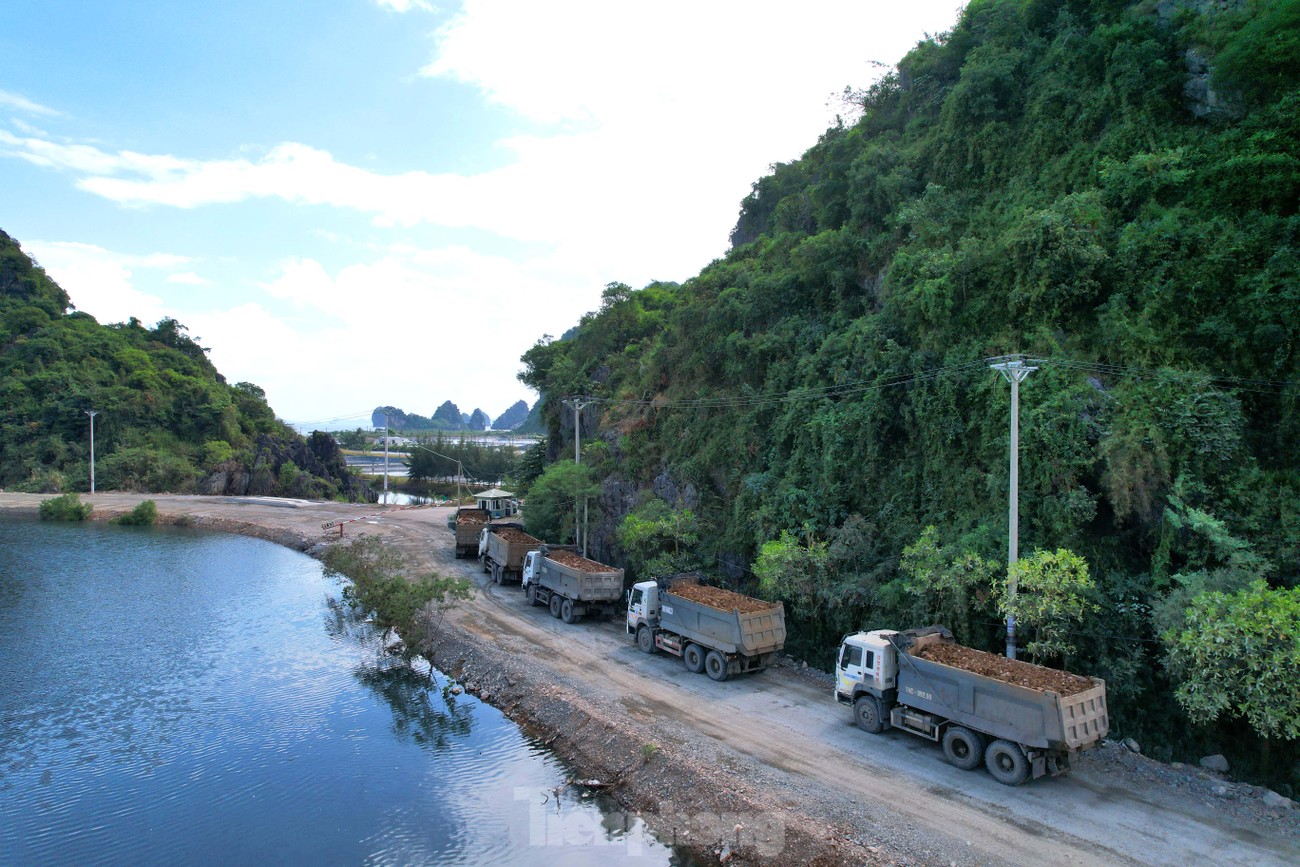
Nhiều ngày nay, khu vực phường Quang Hanh, TP Cẩm Phả (Quảng Ninh) xuất hiện hàng đoàn xe chở đất đá san lấp dự án. Đoàn xe ‘hổ vồ’ này không hề có bạt che phủ khi lưu thông trên đường và có dấu hiệu quá tải.
Theo tìm hiểu, đây là dự án Khu đô thị 10B, được UBND tỉnh Quảng Ninh phê duyệt năm 2021. Hiện dự án đang được triển khai thực hiện.
Điều đặc biệt, dự án này lấn ra vịnh Hạ Long cả cây số tính từ đường bao biển Hạ Long – Cẩm Phả.
Two dozen aid workers from Doctors Without Borders made it out of Gaza Wednesday through the Rafah crossing. Andrea Mitchell is joined by Faris Al Jawad, Communications Manager for Doctors Without Borders in Jerusalem, to discuss the status of hospitals and medical experts in Gaza, the desperate need for fuel and the potential for more mass casualties. “Our international staff that have just recently got out are safely over the border. However, I think what we are far more concerned about now is the 300 or so Palestinian staff that we still have in Gaza, still working, many of them in some of the most dangerous areas that are being relentlessly struck,” Al Jawad says. “There are bombs going off very nearby. There are thousands of people taking shelter there, there’s no medication, there’s no anesthesia, we’re doing operations on the floor.”
Moment BBC reporter falls to his knees and weeps while reporting inside Gaza hospital
A decade ago, China launched the Belt and Road Initiative (BRI), an ambitious effort to finance infrastructure around the world. Since then, Chinese investments made through the BRI have become an integral part of the global infrastructure landscape — particularly in developing countries — with estimates of $1 trillion or more invested across 152 countries.
Unfortunately, the first 10 years of the BRI were dominated by fossil fuel investment, with $52 billion invested in coal power alone according to the China Overseas Finance Inventory.
But the next decade could look very different: At the 2021 UN General Assembly, China announced it would cease building new coal plants abroad and instead step up investment in renewable energy, a commitment reiterated by President Xi Jinping at the latest BRI summit in October 2023.
Researchers used this data and cloud computing to generate powerful, high-resolution maps of rubber and its associated deforestation in Southeast Asia, where over 90% of global rubber is produced…The mapping showed that forest loss associated with rubber production is more than two to three times greater than indicated by previous research has suggested
A multi-partner team of researchers, led by the Royal Botanic Garden Edinburgh, have used new Earth observation satellite data and advanced computer modelling to show that rubber-related deforestation is far higher than previous estimates have suggested
Almost all tropical deforestation is related to the production of global commodities, but mapping this deforestation through satellite imagery is rare (oil palm and soy are the notable exceptions). Natural rubber ranks among these global commodities but its deforestation impact has proved difficult to measure: globally, 85% of natural rubber is produced by smallholders on scattered plantations which have proved difficult to detect through traditional satellite imaging due to their small size. Moreover, these plantations also have a very similar visual appearance to forest when viewed from space. Previous calculations of rubber deforestation have therefore used model-based data.
Due to recent improvements in the visual quality of Earth observation data, in this paper the authors were able to capture the smallholder plantations in their mapping and address the deforestation knowledge gap. Researchers used this data and cloud computing to generate powerful, high-resolution maps of rubber and its associated deforestation in Southeast Asia, where over 90% of global rubber is produced.





 CVD
CVD 