I'm from Hanoi, Viet Nam.
I'm an author of Dot Chuoi Non (dotchuoinon.com/author/hangbelu/), a blog on Positive thinking, founded by Dr. Tran Dinh Hoanh, an attorney in Washington DC.
I'm a co-founder of Conversations on Vietnam Development - cvdvn.net, a virtual think tank. I am a co-founder of two companies in Viet Nam working on children education services. I advise companies on STEAM education, English language education for children and students in Vietnam.
I'm studying the Buddha's teaching and the teaching of Jesus. I practice mindful living including meditation.
I hold a PhD on Sustainable Energy Systems from University of Lisbon and Aalto University.
I graduated from Hanoi University of Technology on Environmental Engineering. I obtained a Master degree of the same major from Stanford University and Nanyang Technological University.
My English-language blog at: hangbelu.wordpress/.
I play table tennis as a hobby.
The intricate histories and niche experiences that we love about Saigon can make it difficult to explore. If you enjoy reading about Saigoneer’s favorite destinations, Urbanist Travel can help create a tailor-made itinerary based on your requests. More Informatio
Read this article in Vietnamese at Sài·gòn·eer.From the very first discussions in 1868 regarding a new marketplace for Saigon, it was not until 1914, that Bến Thành Market became a reality. The birth of the market was like a dream come true, one that came together after nearly five decades of debate in search of solutions for the city’s infrastructure woes.
The five-decade quest to seek a “worthy” marketplace
In her research conducted on the vendors of Bến Thành, anthropologist Ann Marie Leshkowich recounts the lengthy discussions of then Saigon’s colonial administration regarding the establishment of a new commercial center, one that, according to them, must become a place “worthy” of the metropolis they were helping to create.
In 1868, the French had only spent about one decade trying to install a colonial network in Vietnam. Members of the Municipal Council (Conseil Municipal) had the thought of building a new marketplace from metal, replacing traditional thatch markets. In 1869, a budget of 110.000 francs was greenlit, but by 1870, the estimated expenditure had ballooned threefold, causing them to reconsider the planned building methods and amount of materials.
AAANguyễn Văn Quại, 63, walked slowly on the muddy dirt path in his yard, his hands clasped behind his back. He stopped beside a tree split in half, its branches dipping into the stagnant water of a narrow moat, and gestured towards the rest of his leafless crop — their trunks yellow, their bark cracked and brittle.
This story was supported by the Pulitzer Center.
Nguyễn Văn Quại points to his durian trees in Ngũ Hiệp.
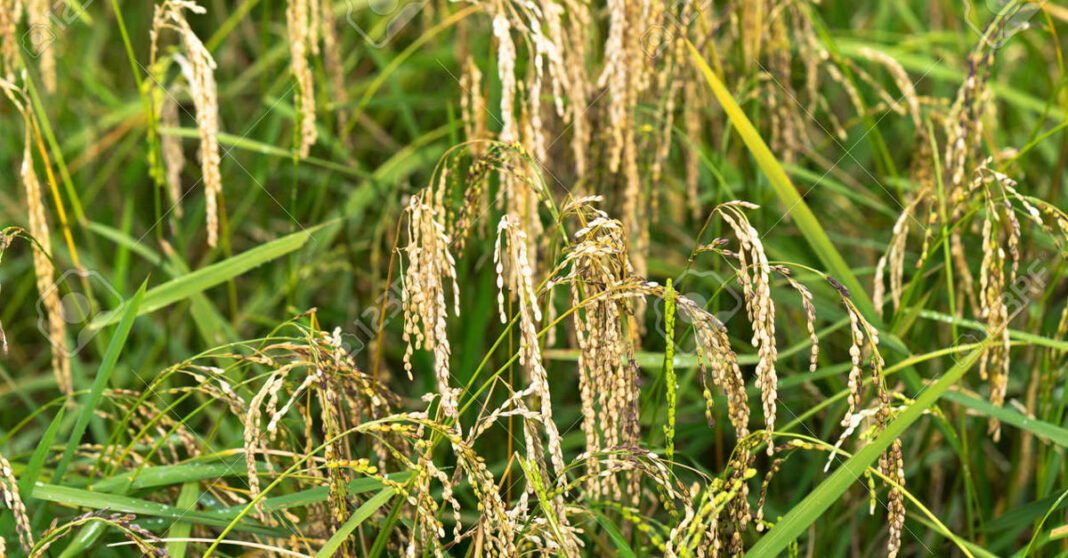
For decades, Quại has called Ngũ Hiệp home. The small island on the Mekong River in Tiền Giang Province is less than two hours inland from the sea. His family first farmed rice but turned to durian, a more lucrative crop, in the early 1990s. Now, more than 200 trees stand in his yard, their thorny fruit bringing in hundreds of millions of VND.
Southern China is facing a surge in agricultural pests migrating from neighboring Southeast Asian countries, including Laos, Myanmar, and Cambodia. This pest migration, driven by climate-related factors, poses a growing threat to regional food security.
A recent study highlights the role of extreme weather in this phenomenon. Researchers found that the ongoing El Niño event, marked by unusually warm ocean temperatures in the Equatorial Pacific, is contributing to hotter and more humid conditions, which are ideal for pest breeding.
In addition to favorable breeding conditions, strong seasonal winds are carrying these pests into Southern China, facilitating their rapid spread and increasing the risk of crop damage.
While wind is a major factor in their movement, scientists note that insect migration is also influenced by environmental stressors such as extreme heat, drought, and the presence of predators.
Insects migrate in response to immediate environmental cues, the study explains. They may move to escape harsh conditions, find food, avoid overcrowding, or locate new habitats suitable for reproduction.
The problem isn’t confined to China. In Laos, climate change is also taking a toll. The country has experienced record-breaking heatwaves, reaching 43.2 degrees Celsius in 2024, along with persistent water shortages and weakened agricultural infrastructure.
These factors have led to crop failures, livestock losses, and growing food insecurity. An estimated 82 percent of households lack access to safe water, compounding the crisis for rural communities.
Globally, climate change is expected to worsen food insecurity. Rising temperatures and shifting rainfall patterns are already making it more difficult to grow crops in traditional farming regions.
By 2100, nearly 30 percent of the world’s food crops may be exposed to climate conditions they have never encountered before. While much of the focus is on staple crops like rice and wheat, many other plants grown in equatorial regions could also suffer under the changing climate.
Tibetan spiritual leader says in a new book that his people’s aspiration for freedom cannot be indefinitely delayed.
The Dalai Lama offers blessings to his followers at his Himalayan residence in the northern hill town of Dharamshala, India, on December 20, 2024 [Priyanshu Singh/Reuters]
Published On 11 Mar 202511 Mar 2025
The Dalai Lama has said that his successor will be born in the “free world” outside of China.
In a new book released on Tuesday, the 89-year-old spiritual leader of Tibetan Buddhism says that he will be reincarnated outside of Tibet, which is an autonomous region of China.
“Since the purpose of a reincarnation is to carry on the work of the predecessor, the new Dalai Lama will be born in the free world so that the traditional mission of the Dalai Lama – that is, to be the voice for universal compassion, the spiritual leader of Tibetan Buddhism, and the symbol of Tibet embodying the aspirations of the Tibetan people – will continue,” the Dalai Lama, who fled Tibet for India in 1959, writes in Voice for the Voiceless.
China considers Tibet, which has alternated between independence and Chinese control over the centuries, as an integral part of the country and views movements advocating greater autonomy or independence as threats to its national sovereignty.
Beijing has labelled the current Dalai Lama, who was identified as the reincarnation of his predecessor at two years old, a “separatist” and insisted on the right to appoint his successor after his death.
The Dalai Lama, who stepped down as the political leader of the Tibetan government-in-exile in 2011 to focus on his spiritual role, has denied advocating Tibetan independence and argued for a “Middle Way” approach, which would grant the mainly Buddhist territory greater autonomy.
In his book, the Dalai Lama writes that he has received numerous petitions from people in and outside Tibet asking him to ensure that his lineage continues, and says that Tibetan people’s aspirations for freedom cannot be denied indefinitely.
“One clear lesson we know from history is this: If you keep people permanently unhappy, you cannot have a stable society,” he writes.
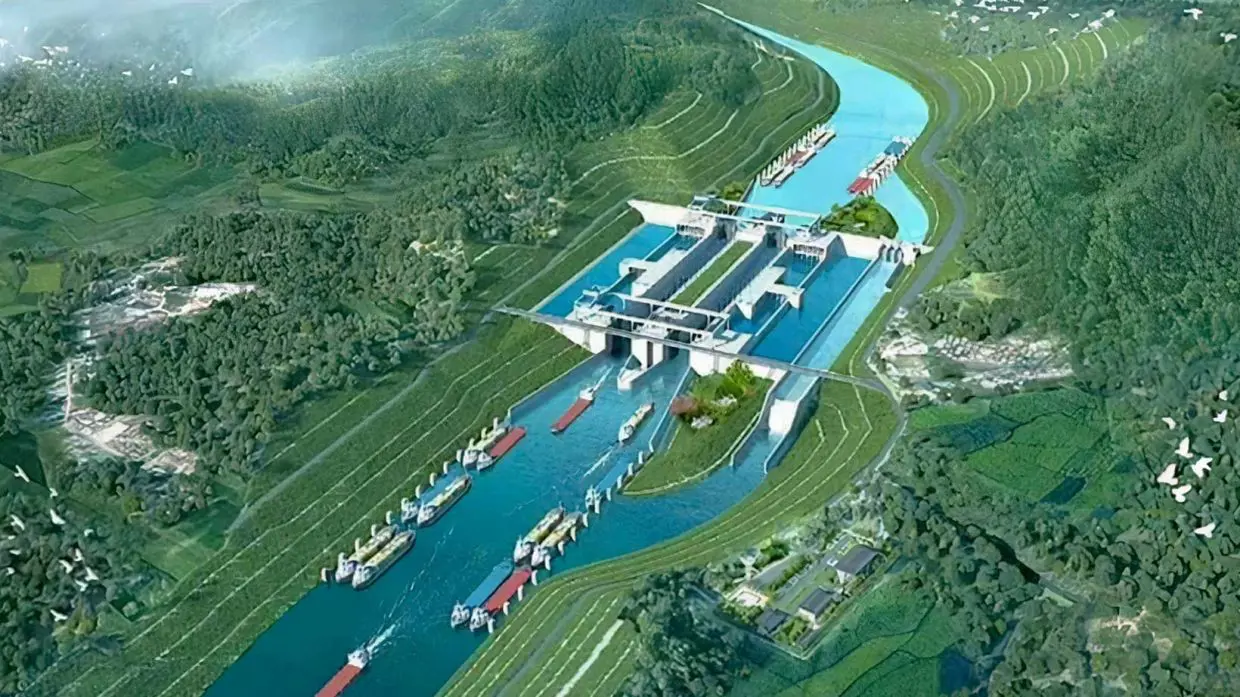
PHNOM PENH, Cambodia (AP): Cambodia and China have signed a US$1.2 billion deal to finance an ambitious canal project that aims to boost trade efficiency by linking a branch of the Mekong River near Phnom Penh to a port on the Gulf of Thailand, the Cambodian government agency heading the project has announced,
The deal to fund the Funan Techo Canal was signed Thursday during the state visit to Cambodia of Chinese President Xi Jinping, the agency said in a news release. Xi returned home Friday after a three-nation Southeast Asian tour that also included Vietnam and Malaysia.
Nearly as many U.S. adults have little or no confidence as have high confidence
WASHINGTON, D.C. — An increasing proportion of U.S. adults say they have little or no confidence in higher education. As a result, Americans are now nearly equally divided among those who have a great deal or quite a lot of confidence (36%), some confidence (32%), or little or no confidence (32%) in higher education. When Gallup first measured confidence in higher education in 2015, 57% had a great deal or quite a lot of confidence and 10% had little or none.
The latest results are based on a June 3-23 Gallup survey that gauged Americans’ confidence in various institutions. A follow-up story reporting on the remainder of institutions will be published in the coming days.
This year, Gallup and Lumina Foundation partnered to better understand the nature of confidence in higher education. The research includes the trend results reported above from Gallup’s June telephone survey as well as new results from a contemporaneous web survey of more than 2,000 Gallup Panel members.
A review of the historical trends shows that confidence has dropped among all key subgroups in the U.S. population over the past two decades, but more so among Republicans. Americans who lack confidence in higher education today say their concerns lie in colleges pushing political agendas, not teaching relevant skills, and being overly expensive.
Confidence in higher education among Republicans today is nearly a mirror image of what it was nine years ago. In 2015, 56% of Republicans had a great deal or quite a lot of confidence, and 11% had little or none. Now, 20% are confident and 50% have little or no confidence.
Republicans are not alone in having reduced confidence in higher education, as 35% of independents, down from 48% in 2015, and 56% of Democrats, down from 68%, are confident.
In the past year, all party groups have shown at least some increase in the percentage with very little or no confidence, and a decrease in the percentage saying they have some. None of the party groups shows meaningful change in high confidence over the past year.
Cuốn “Sổ tay hệ thống cảnh báo sớm hiểm họa tự nhiên tại Việt Nam” nhằm cung cấp một cách khoa học và hệ thống thông tin về các loại hình hiểm họa tự nhiên (bao gồm: hiểm họa khí tượng – thủy văn và hiểm họa địa vật lý), đồng thời đề cập việc quản lý rủi ro thảm họa tiếp cận thông qua “Hệ thống cảnh báo sớm đa thiên tai tại Việt Nam”, qua đó góp phần nâng cao hiểu biết và nhận thức của đội ngũ cán bộ Hội, các cấp chính quyền, các tổ chức cộng đồng và nhân dân về thiên tai, thảm họa
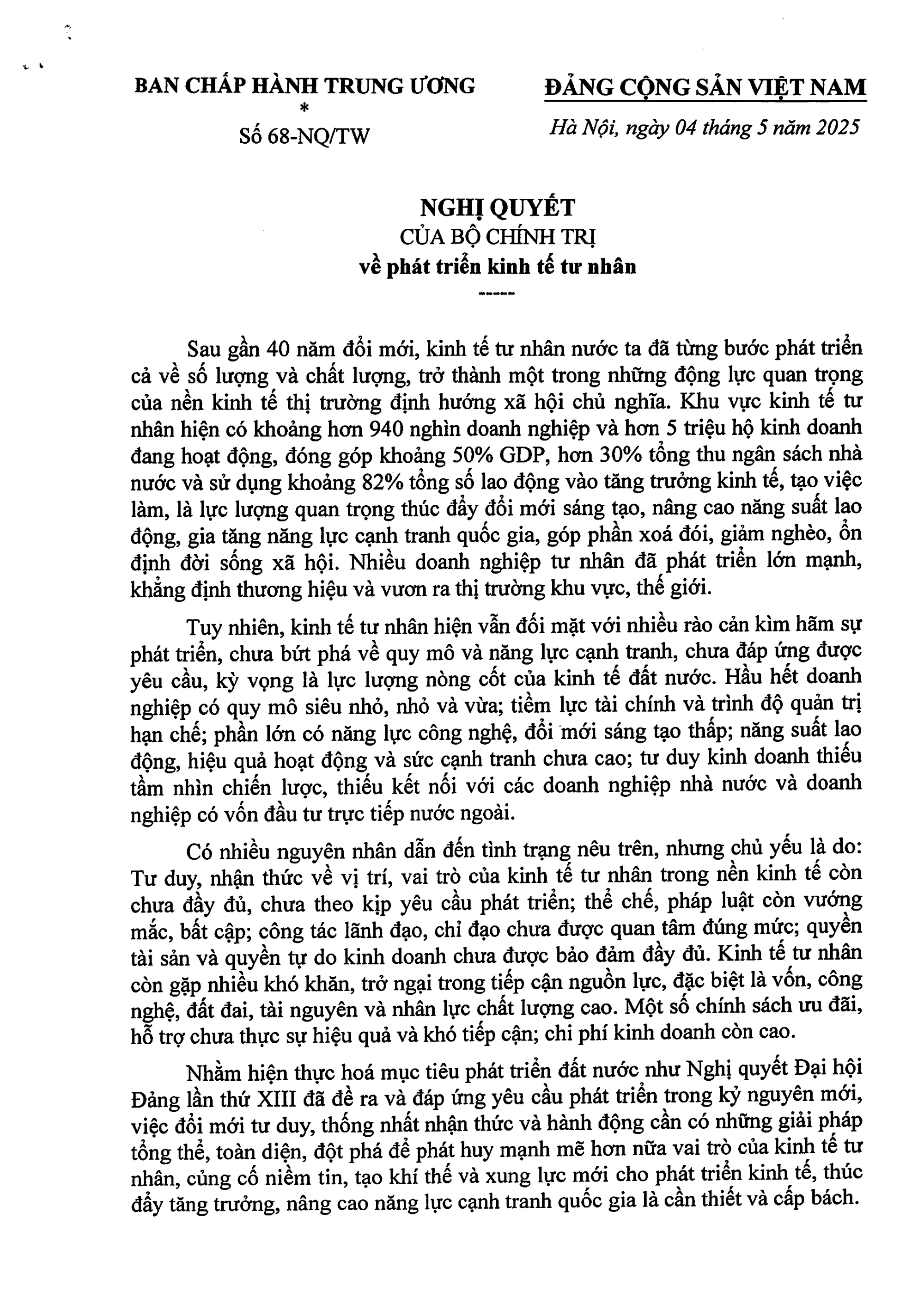
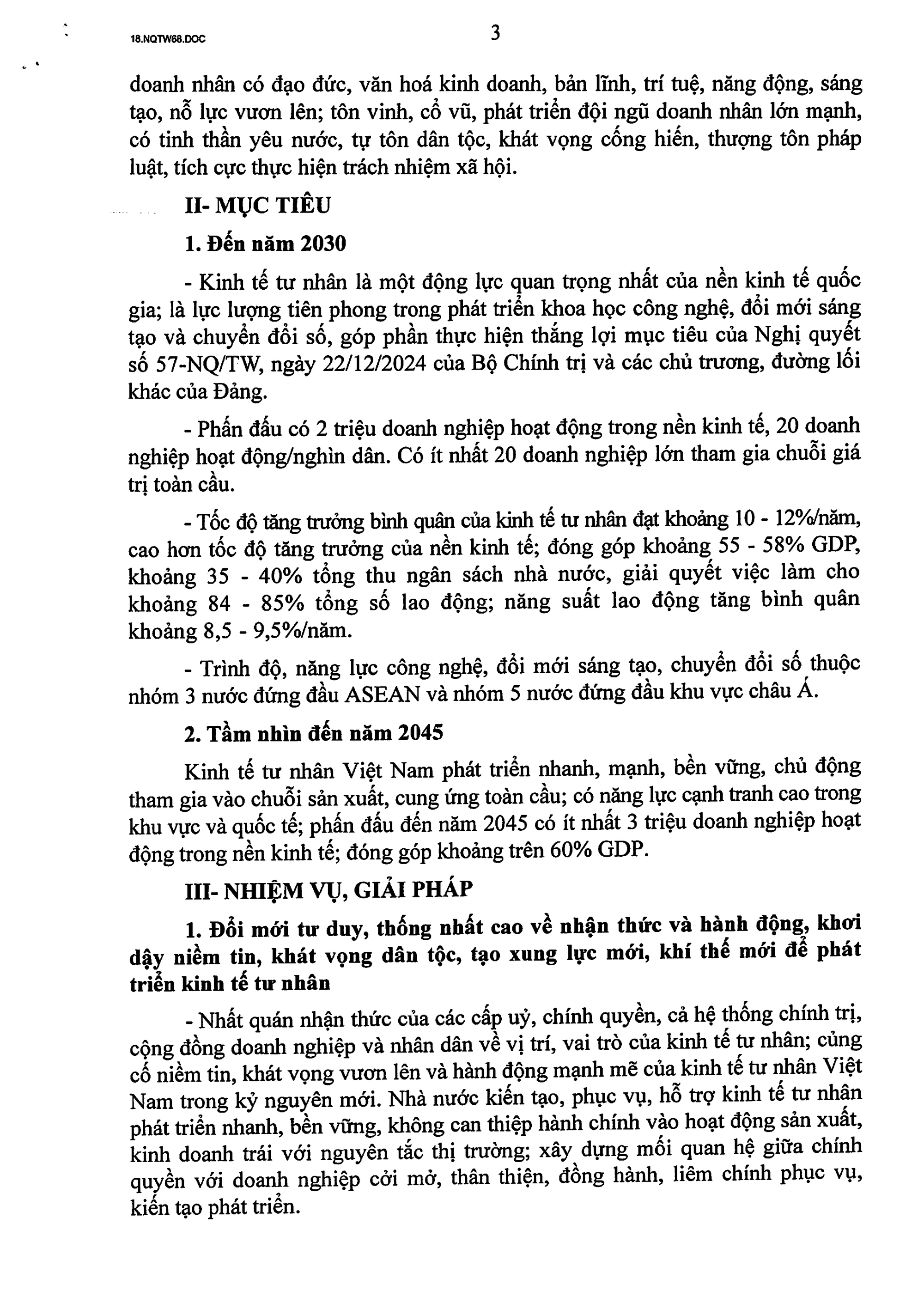
(Chinhphu.vn) – Thay mặt Bộ Chính trị, Tổng Bí thư Tô Lâm vừa ký Nghị quyết số 68-NQ/TW ngày 4/5/2025 của Bộ Chính trị về phát triển kinh tế tư nhân. Cổng Thông tin điện tử Chính phủ trân trọng giới thiệu toàn văn Nghị quyết này.
Nghị quyết số 68-NQ/TW của Bộ Chính trị về phát triển kinh tế tư nhân
Agent Orange was a chemical herbicide used during the Vietnam War that had a devastating impact long after the conflict ended.
Vietnam says 400,000 killed by Agent Orange; cleanup halted after US aid cuts
The US military sprayed millions of hectares of Vietnamese land with Agent Orange, a defoliant containing dioxin — a chemical linked to cancer, birth defects, and long-term environmental damage. Vietnam estimates 400,000 people were killed by the toxin. Although the US had been helping with the cleanup, efforts stopped following aid cuts by the Trump administration.
Al Jazeera’s Tony Cheng reports from Bien Hoa in Vietnam. A warning: this report contains disturbing images.
Trong cuộc Chiến tranh Việt Nam, Mỹ đã rải hàng triệu lít thuốc diệt cỏ độc hại, còn gọi là chất độc da cam (Agent Orange), xuống những cánh rừng rậm để phá hủy những tán lá dày mà các chiến binh Việt Cộng dùng làm nơi ẩn nấp.
Từ những năm 1960, bác sĩ Nguyễn Thị Ngọc Phượng bắt đầu nhận thấy các trường hợp dị tật bẩm sinh, ung thư và các căn bệnh liên quan đến việc tiếp xúc với chất độc da cam. Hơn nửa thế kỷ sau, nhiều người ở Việt Nam vẫn tiếp tục bị ảnh hưởng.
BBC News Tiếng Việt phỏng vấn giáo sư, bác sĩ Ngọc Phượng về hành trình hơn 40 năm đi tìm công lý cho các nạn nhân chất độc ca cam.
Năm 2024, bác sĩ Ngọc Phượng đã được trao giải thưởng Ramon Magsaysay (được mệnh danh là Giải Nobel châu Á) vì những đóng góp cho những nạn nhân chất độc da cam tại Việt Nam.
Labor Party leader becomes the first Australian prime minister to win a second consecutive three-year term in two decades.
Australia’s Prime Minister Anthony Albanese speaks at the Labor Party election night event in Sydney, May 3, 2025 [Hollie Adams/Reuters]
Published On 3 May 20253 May 2025
Anthony Albanese has become the first Australian prime minister to win a second consecutive three-year term in two decades, in a dramatic comeback for his Labor Party in a general election dominated by the cost-of-living crisis.
The Labor Party was on track on Saturday for an unexpectedly large parliamentary majority, as Peter Dutton, leader of the conservative Liberal Party, conceded defeat, having lost his own seat.
In his victory speech, left-leaning Albanese pledged to steer the nation through a rough patch of global uncertainty.
“Australians have chosen to face global challenges the Australian way, looking after each other while building for the future,” he told supporters in Sydney.
“We do not need to beg or borrow or copy from anywhere else. We do not seek our inspiration overseas. We find it right here in our values and in our people.”
Australia’s public broadcaster ABC projected that Labor was on track to win 85 seats in the House of Representatives, easily surpassing the 76-seat threshold needed to reach a majority.
Author Mehebub SahanaLeverhulme Early Career Fellow, Geography, University of Manchester
China recently approved the construction of the world’s largest hydropower dam, across the Yarlung Tsangpo river in Tibet. When fully up and running, it will be the world’s largest power plant – by some distance.
Yet many are worried the dam will displace local people and cause huge environmental disruption. This is particularly the case in the downstream nations of India and Bangladesh, where that same river is known as the Brahmaputra.
The proposed dam highlights some of the geopolitical issues raised by rivers that cross international borders. Who owns the river itself, and who has the right to use its water? Do countries have obligations not to pollute shared rivers, or to keep their shipping lanes open? And when a drop of rain falls on a mountain, do farmers in a different country thousands of miles downstream have a claim to use it? Ultimately, we still don’t know enough about these questions of river rights and ownership to settle disputes easily.
The Yarlung Tsangpo begins on the Tibetan Plateau, in a region sometimes referred to as the world’s third pole as its glaciers contain the largest stores of ice outside of the Arctic and Antarctica. A series of huge rivers tumble down from the plateau and spread across south and south-east Asia. Well over a billion people depend on them, from Pakistan to Vietnam.
CAO LANH CITY, Vietnam, March 29 (Reuters) – On her trusty motorcycle, Vietnamese artist Dang Ai Viet travels around the Southeast Asian country in a quest to ensure that the thousands of women who suffered the loss of two or more loved ones during the Vietnam War are not forgotten.
The 75-year-old has painted the portraits of 2,765 of the women, who are part of a group known in Vietnam as “heroic mothers”, in recognition of their sacrifice during the war that ended in 1975.
The Reuters Tariff Watch newsletter is your daily guide to the latest global trade and tariff news. Sign up here.
Mahmoud Ajjour, nine (left), who was injured during an Israeli attack on Gaza City in March 2024, finds refuge and medical help in Doha, Qatar, on June 28, 2024 [Samar Abu Elouf, for The New York Times] Kim Phuc, nine (right) is seen running down Route 1 near Trang Bang after a South Vietnamese plane accidentally dropped its flaming napalm on its own troops and civilians, on June 8, 1972. The terrified girl ripped off her burning clothes while fleeing [Nick Ut/AP]
Ajjour had both of his arms blown off by an Israeli strike on the Gaza Strip, where Israel’s ongoing genocide has now killed at least 52,365 Palestinians since October 2023. In the award-winning photograph, the boy’s head and armless torso are cast in partial shadow, his gaze nevertheless intense in its emptiness.
We mark 50 years since the end of the U.S. war on Vietnam with the acclaimed Vietnamese American writer Viet Thanh Nguyen. On April 30, 1975, North Vietnamese troops took control of the South Vietnamese capital of Saigon as video of U.S. personnel being airlifted out of the city were broadcast around the world. Some 3 million Vietnamese people were killed in the U.S. war, along with about 58,000 U.S. soldiers. Hundreds of thousands of Lao, Hmong and Cambodians also died, and the impact of the war is still being felt in Vietnam and the region.
Nguyen says while the Vietnam War was deeply divisive in the United States during the 1960s and ’70s, American interference in Southeast Asia goes back to President Woodrow Wilson in 1919, when he rejected Vietnamese demands for independence from France. “And from that mistake, we’ve had a series of mistakes over the past century, mostly revolving around the fact that the United States did not recognize Vietnamese self-determination,” says Nguyen.
We Are Here Because You Are There”: Viet Thanh Nguyen on How U.S. Foreign Policy Creates Refugees
Pulitzer Prize-winning Vietnamese American writer Viet Thanh Nguyen discusses why he chooses to use the term “refugee” in his books, and speaks about his own experience as a refugee. His new novel tells the story of a man who arrives in France as a refugee from Vietnam, and explores the main character’s questioning of ideology and different visions of liberation. Titled “The Committed,” the book is a sequel to “The Sympathizer,” which won the Pulitzer Prize for Fiction in 2016. Nguyen says his protagonist is “a man of two faces and two minds” whose ability to see beyond Cold War divisions makes him the perfect figure to satirize the facile stories people tell themselves about the world. “He’s always going beyond the surface binaries to look underneath.” Nguyen is the chair of English and professor of English and American studies and ethnicity at the University of Southern California. His other books include “The Refugees” and the edited collection “The Displaced: Refugee Writers on Refugee Lives.”
Viet Thanh Nguyen Interview: The Vietnam War Refugee Experience Behind The Sympathizer
Pulitzer Prize-winning author Viet Thanh Nguyen reflects on his childhood as a refugee in America, his writing career, and family: from the trauma of displacement to the healing found in fatherhood and literature. Nguyen shares how these experiences have shaped his life and work, from his novel The Sympathizer to his commentary on war, cultural identity, and American life.
00:00 Introduction to Viet Thanh Nguyen and The Sympathizer
00:49 Refugee journey, family separation, and overcoming trauma
03:43 Humor, cultural expectations, and Vietnamese Catholic roots 05:29 Cultural identity, rebellion, and hidden writing career
07:14 Family relationships, cultural silence, and lessons in parenting 09:35 Impact of fatherhood, learning from children, and rediscovering play
12:13 Art, personal identity, and American cultural values 14:49 Vietnamese American identity, racism, and vision for the future
17:27 Teaching about war, challenges of digital information overload
20:31 Apocalypse Now, self identity struggles, and power of storytelling
24:41 Vietnam War legacy, draft-era resistance vs. modern volunteer military
26:47 Family history, generational trauma, and refugee story from Vietnam


![The Dalai Lama offers blessings to his followers at his Himalayan residence in the northern hill town of Dharamshala, India, on December 20, 2024 [Priyanshu Singh/Reuters]](https://www.aljazeera.com/wp-content/uploads/2025/03/2025-03-11T023323Z_218289473_RC2RSBA1K164_RTRMADP_3_INDIA-DALAI-LAMA-CHINA-1-1741677530.jpg?resize=770%2C513&quality=80)




 CVD
CVD 