50 years after the Vietnam War ended, some veterans are still on duty – not as fighters, but as volunteer guardians of their hometowns. We go on night patrol in Canh Thuy Ward.
Watch full video on https://www3.nhk.or.jp/nhkworld/en/shows/2022443/


Conversations on Vietnam Development

50 years after the Vietnam War ended, some veterans are still on duty – not as fighters, but as volunteer guardians of their hometowns. We go on night patrol in Canh Thuy Ward.
Watch full video on https://www3.nhk.or.jp/nhkworld/en/shows/2022443/
visualcapitalist.com June 30, 2025
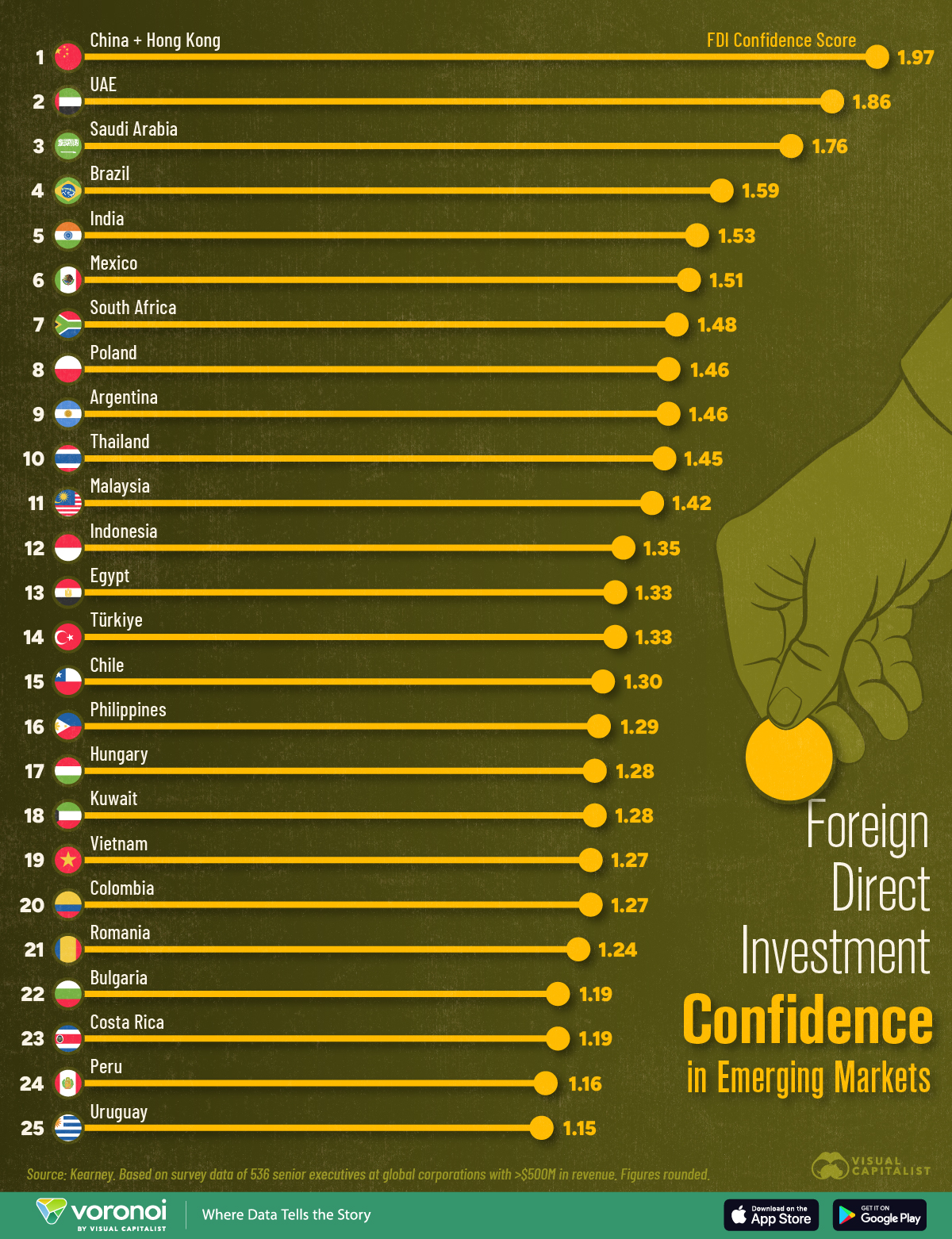
Emerging markets often attract foreign investors with prospects for higher economic growth and diversification.
Where are global business leaders placing their foreign direct investment (FDI) bets in 2025?
This chart highlights the top 25 emerging markets by FDI confidence score in 2025, based on a survey conducted by Kearney. The rankings are drawn from responses by 536 senior executives at global companies with annual revenues above $500 million.
China (including Hong Kong) remains the top emerging market for foreign investor confidence in 2025. However, FDI inflows have slowed in recent years, hitting multi-year lows in 2023.
Following China, the UAE and Saudi Arabia also retain their places as the second and third-most favored developing economies for FDI.
Here’s a look at the full list of top emerging markets for FDI confidence in 2025:Search:
| Rank | Country | FDI Confidence Score |
|---|---|---|
| 1 | China (including Hong Kong) 🇨🇳🇭🇰 | 1.97 |
| 2 | United Arab Emirates 🇦🇪 | 1.86 |
| 3 | Saudi Arabia 🇸🇦 | 1.76 |
| 4 | Brazil 🇧🇷 | 1.59 |
| 5 | India 🇮🇳 | 1.53 |
| 6 | Mexico 🇲🇽 | 1.51 |
| 7 | South Africa 🇿🇦 | 1.48 |
| 8 | Poland 🇵🇱 | 1.46 |
| 9 | Argentina 🇦🇷 | 1.46 |
| 10 | Thailand 🇹🇭 | 1.45 |
Brazil and India—two of the biggest emerging economies by GDP—round out the top five, with Brazil overtaking India in FDI confidence in the 2025 rankings.
These rankings align with investors’ FDI priorities from the same survey, where the efficiency of legal and regulatory processes and domestic economic performance top the list.
South Africa made the largest upward move in 2025, jumping from 11th to 7th in the rankings. It also recorded FDI inflows of around $661 million in Q1 2025, up 56% from the fourth quarter of 2024.
Overall, 11 of the top 25 emerging markets for FDI confidence are in Asia and the Middle East.
The factors driving FDI confidence vary for each economy.
In China, tech innovation was the leading driver of investor confidence, while economic performance ranked highest for the UAE and Saudi Arabia.
Meanwhile, the talent/skill of the labor pools in India and Mexico were the strongest factors attracting investors.
Israel has abducted and jailed 1,000,000 Palestinians since 1967 — US group’s reportTel Aviv has jailed Palestinians at an average of 47 per day, says a new study, adding US “bankrolled this oppression” against Palestinians for nearly 700 months.
On February 24, Israeli occupation troops abducted Fidaa Assaf from the village of Kafr Laqif in Palestine’s Qalqilya governorate. She was returning from Ramallah Medical Complex after undergoing medical examinations.
Palestinian officials later revealed that the female prisoner, who is married and a mother, was subjected to multiple strip searches and verbal abuse.
They also noted that she was detained in a cell described as unhygienic and infested with insects, and was deprived of water and food for several days.
Tiếp tục đọc “Israel has abducted and jailed 1,000,000 Palestinians since 1967 — US group’s report.”
vneconomy.vn Nguyễn Thuấn
Không có nhà đầu tư nào nộp hồ sơ dự thầu cho Dự án Nhà máy Nhiệt điện LNG Nghi Sơn tính đến thời điểm đóng thầu ngày 19/6/2025, Ban Quản lý Khu kinh tế Nghi Sơn và các Khu công nghiệp tỉnh Thanh Hóa đã quyết định gia hạn thời gian lựa chọn nhà đầu tư theo quy định mới của Chính phủ.
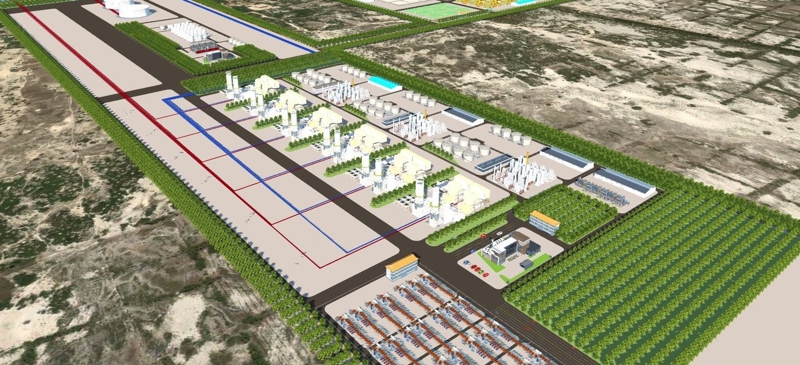
Theo ông Nguyễn Anh Tuấn, Phó Trưởng ban Quản lý Khu kinh tế Nghi Sơn và các khu công nghiệp tỉnh Thanh Hóa, thời điểm đóng thầu lựa chọn nhà đầu tư Dự án Nhà máy Nhiệt điện LNG Nghi Sơn là ngày 19/6/2025 nhưng không có nhà đầu tư nào nộp hồ sơ dự thầu. Ngay sau đó, bên mời thầu đã thực hiện gia hạn thời điểm đóng/mở thầu theo đúng quy định tại Nghị định số 115/2024/NĐ-CP của Chính phủ.
Tiếp tục đọc “Không có hồ sơ tham gia, Thanh Hóa tiếp tục gia hạn gói thầu siêu dự án 57.000 tỷ”
Bài 1: Những người giữ hồn văn hóa dân tộc giữa lòng Thủ đô
Bài 2: Tiếng lòng từ chủ thể văn hóa
Bài 3: Để chủ thể văn hóa tiếp tục phát huy tâm huyết với vốn di sản quý báu
Bảo tồn, phát huy giá trị văn hóa dân tộc nói chung và di sản văn hóa truyền thống của đồng bào dân tộc thiểu số nói riêng luôn là chủ trương nhất quán của Đảng, Nhà nước ta, được đặt trong tổng thể sự phát triển quốc gia, dân tộc. Thời gian qua, nhờ các chính sách tích cực, hiệu quả, các di sản văn hóa vật thể và phi vật thể của đồng bào các dân tộc thiểu số được quan tâm bảo tồn, tôn vinh và phát huy giá trị, góp phần quan trọng nâng cao đời sống tinh thần đồng bào các dân tộc, đóng góp vào sự phát triển chung của đất nước. Tuy nhiên, bên cạnh những kết quả đã đạt được, vẫn còn những hạn chế, bất cập cần quan tâm khắc phục. Báo Quân đội nhân dân giới thiệu loạt bài “Bảo tồn bản sắc văn hóa các dân tộc thiểu số – Trăn trở của những người trong cuộc”.
Bài 1: Những người giữ hồn văn hóa dân tộc giữa lòng Thủ đô
Tại “Ngôi nhà chung” Làng Văn hóa – Du lịch các dân tộc Việt Nam (Sơn Tây, Hà Nội), chúng tôi đã gặp những Nghệ nhân Ưu tú, những người bằng tình yêu, trách nhiệm và cả những băn khoăn, trăn trở đang ngày ngày bền bỉ, lặng thầm giữ gìn hồn cốt văn hóa dân tộc. Họ không chỉ là những người trực tiếp bảo tồn di sản văn hóa mà còn thắp lên ngọn lửa đam mê, truyền cảm hứng để những giá trị quý báu không bị lãng quên, mai một.
Lớp cha trước, lớp con sau
TPO – Theo Cục Đăng kiểm Việt Nam, nếu không phát triển hạ tầng một cách nhanh chóng, Việt Nam có nguy cơ trở thành “vùng trũng” carbon trong mạng lưới hàng hải toàn cầu, bị các tuyến vận tải lớn né tránh để ưu tiên những trung tâm xanh hơn. Tháng 4 vừa qua, Hội nghị Bảo vệ môi trường hàng hải (MEPC 83) của Tổ chức hàng hải quốc tế (IMO), thuộc Liên Hợp Quốc (UN) đã đạt được một thỏa thuận mang tính bước ngoặt nhằm ứng phó với biến đổi khí hậu. Tại đây, cơ chế định giá carbon toàn cầu đối với khí thải từ vận tải biển quốc tế đã được thiết lập, dự kiến chính thức áp dụng từ năm 2028.
Theo Aljazeera, đến năm 2030, các tàu biển phải giảm cường độ phát thải xuống 8% so với mức cơ sở năm 2008; đến năm 2035, mức giảm bắt buộc sẽ là 30%. Với ngưỡng khắt khe hơn, yêu cầu cắt giảm lần lượt là 21% vào năm 2030 và 43% vào năm 2035. Những tàu đáp ứng mức phát thải thấp hơn ngưỡng nghiêm ngặt này sẽ được cấp tín chỉ phát thải có thể giao dịch, tạo động lực cho việc sớm áp dụng công nghệ xanh.
Cục Đăng kiểm Việt Nam (ĐKVN) đánh giá, các quyết định tại MEPC 83 không chỉ là những thay đổi về mặt quy định, mà còn là một tín hiệu mạnh mẽ về một cuộc chuyển đổi toàn diện của ngành hàng hải.

Cơ chế định giá carbon toàn cầu đối với khí thải từ vận tải biển quốc tế dự kiến chính thức áp dụng từ năm 2028. Ảnh: ĐKVN.
Tiếp tục đọc “Việt Nam nguy cơ thành ‘vùng trũng’ carbon của hàng hải toàn cầu”
By Angus Watson, CNN Updated 4:50 AM EDT, Fri June 27, 2025

People swim in the lagoon in Funafuti, Tuvalu, on November 28, 2019. Mario Tama/Getty ImagesSydney, AustraliaCNN —
More than a third of the population of Tuvalu has applied to move to Australia, under a landmark visa scheme designed to help people escape rising sea levels.
The island nation – roughly halfway between Hawaii and Australia – is home to about 10,000 people, according to the latest government statistics, living across a clutch of tiny islets and atolls in the South Pacific.
With no part of its territory above six meters, it is one of the most at-risk places in the world to rising seas caused by climate change.
On June 16, Australia opened a roughly one-month application window for what it says is a one-of-a-kind visa offering necessitated by climate change. Under the new scheme, Australia will accept 280 visa winners from a random ballot between July and January 2026. The Tuvaluans will get permanent residency on arrival in Australia, with the right to work and access public healthcare and education.
More than 4,000 people have applied under the scheme, according to official figures seen by CNN.
“The opening of the Falepili Mobility Pathway delivers on our shared vision for mobility with dignity, by providing Tuvaluans the opportunity to live, study and work in Australia as climate impacts worsen,” Australian Foreign Minister Penny Wong said in a statement.
CNN has reached out to the Tuvalu government.
According to Tuvalu’s Prime Minister Feleti Teo, more than half of Tuvalu will be regularly inundated by tidal surges by 2050. By 2100, 90% of his nation will be regularly under water, he says.
Fongafale, the nation’s capital, is the largest and most populated islet in Tuvalu’s main atoll, Funafuti. It has a runway-like strip of land just 65 feet (20 meters) wide in some places.
“You can put yourself in my situation, as the prime minister of Tuvalu, contemplating development, contemplating services for the basic needs of our people, and at the same time being presented with a very confronting and disturbing forecast,” Teo told the United Nations Oceans Conference this month in Nice, France.
Tiếp tục đọc “More than a third of this country’s population has applied to relocate”
nbcnews.com Photos of the Vietnamese capital, home to almost 9 million people, show the environmental cost of the Southeast Asian nation’s explosive growth.
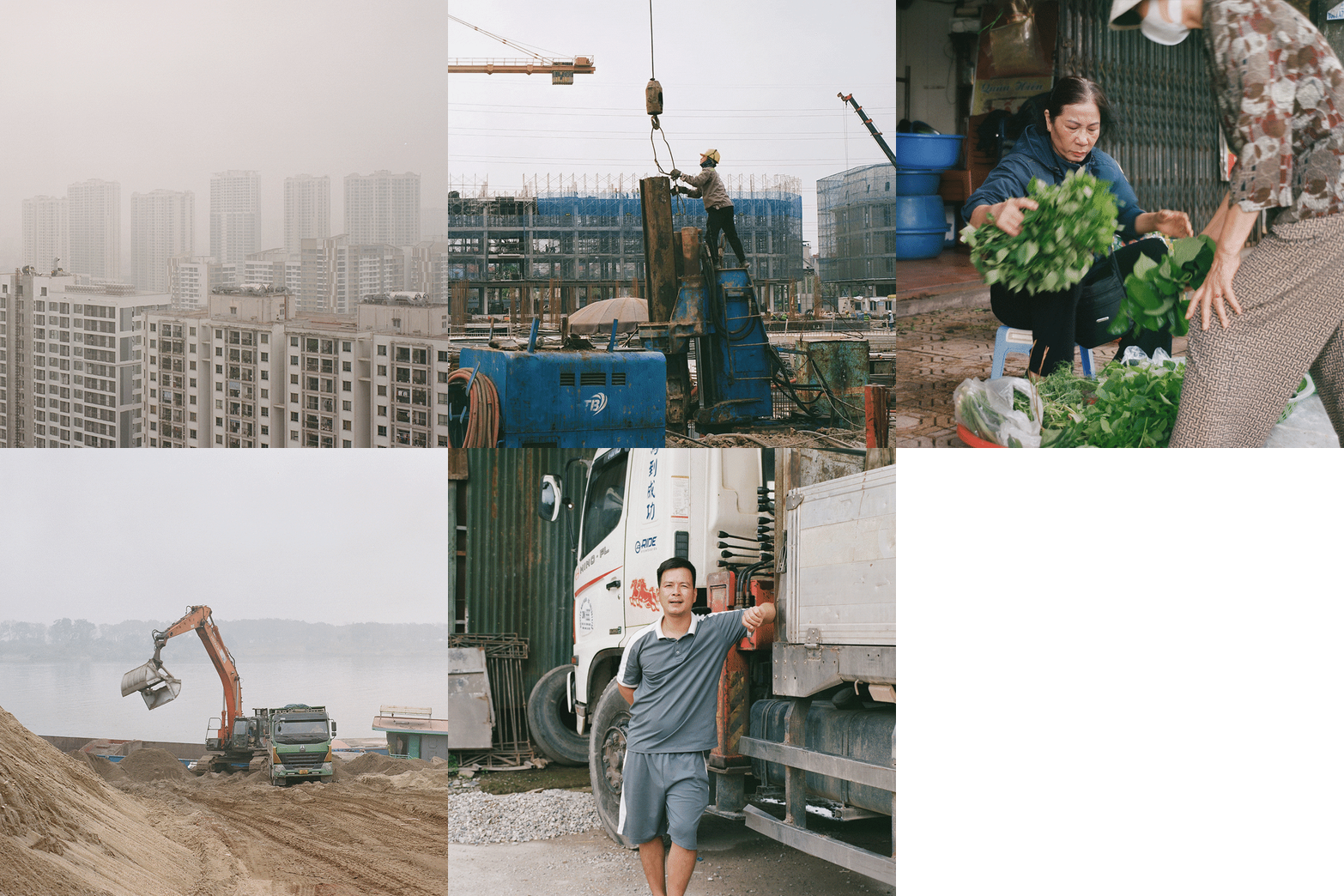
Hanoi, the capital of Vietnam, topped global air pollution charts over the winter.Spike Johnson for NBC News
June 29, 2025, 4:15 PM GMT+7 By Spike Johnson
HANOI, Vietnam — Hanoi has no horizon.
Blocky apartment towers dissolve into gray fog in the Vietnamese capital, as barges carrying sand inch down the Red River toward makeshift jetties. At street level, the city blurs as if it’s covered in film. The air stings your eyes and smells of chemicals, like chlorine but not quite. When the sun does punch through, it hangs like a red beach ball against the silver sky.
This winter, Hanoi topped global air pollution charts, not once, but repeatedly, exposing the environmental cost of Vietnam’s explosive growth, and briefly earning it the title of the world’s most polluted city.
Tiếp tục đọc “Rapid growth fuels smog in Hanoi, one of the world’s most polluted cities”
tuoitre.vn 25/06/2025
Luật sửa đổi, bổ sung một số điều của Bộ luật Hình sự được Quốc hội thông qua đã bỏ án tử hình với 8 tội danh, trong đó có tham ô tài sản, nhận hối lộ.
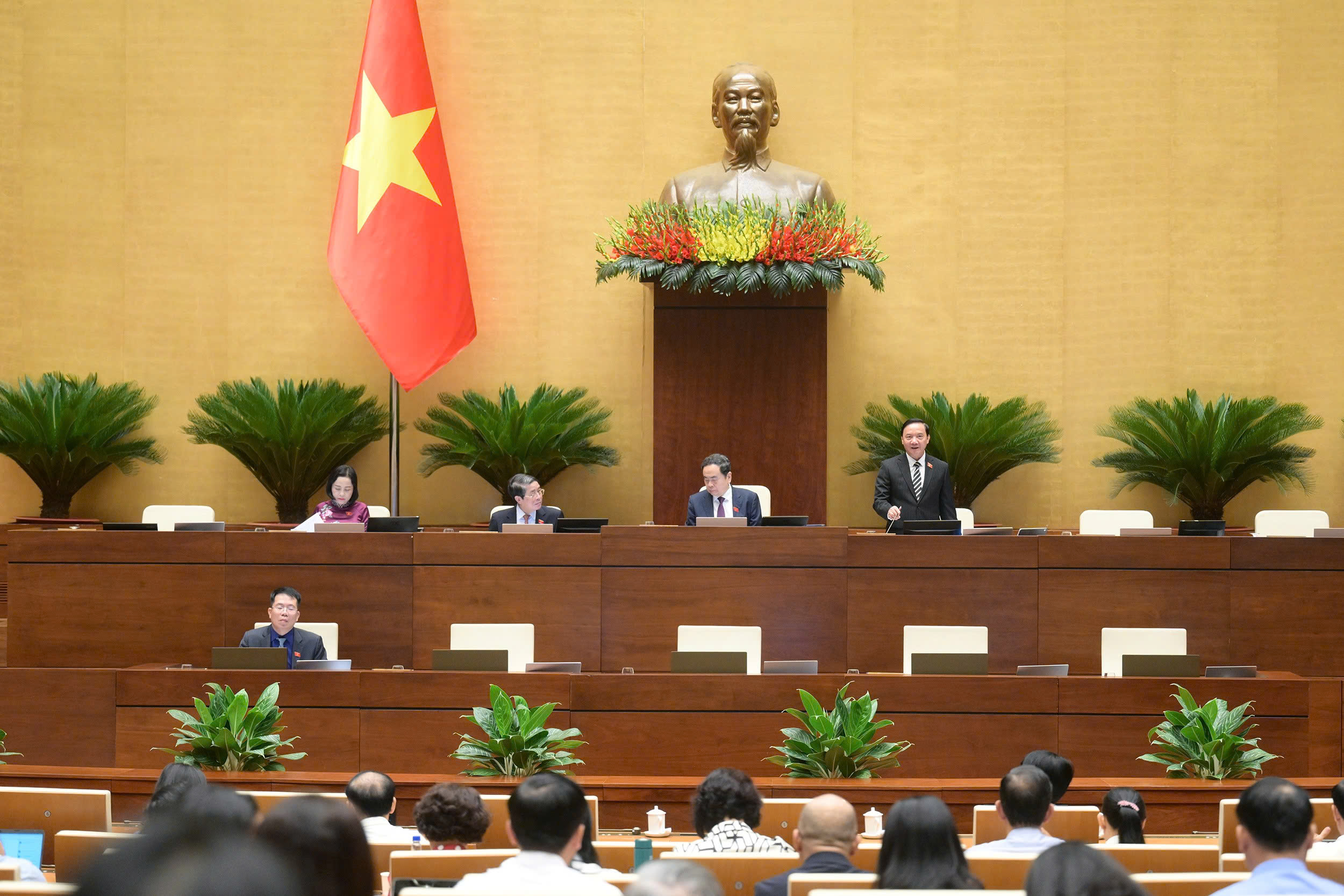
Sáng 25-6, với 429/439 đại biểu có mặt tán thành, 2 đại biểu không tán thành, 8 đại biểu không biểu quyết, Quốc hội đã thông qua Luật sửa đổi, bổ sung một số điều của Bộ luật Hình sự.
Đáng chú ý, dự luật mới được thông qua đã bỏ hình phạt tử hình với 8 tội danh và mức án cao nhất với các tội danh này là chung thân.
Tiếp tục đọc “Quốc hội đồng ý bỏ án tử hình với 8 tội danh, trong đó có tham ô tài sản, nhận hối lộ”

Là các khu vực có giá trị đặc biệt về thiên nhiên và đa dạng sinh học, 11 khu dự trữ sinh quyển thế giới ở Việt Nam đã được Tổ chức Giáo dục, Khoa học và Văn hóa của Liên hợp quốc (UNESCO) công nhận đóng vai trò quan trọng trong bảo tồn, phát triển các hệ sinh thái, gìn giữ môi trường sống, thích ứng với biến đổi khí hậu.
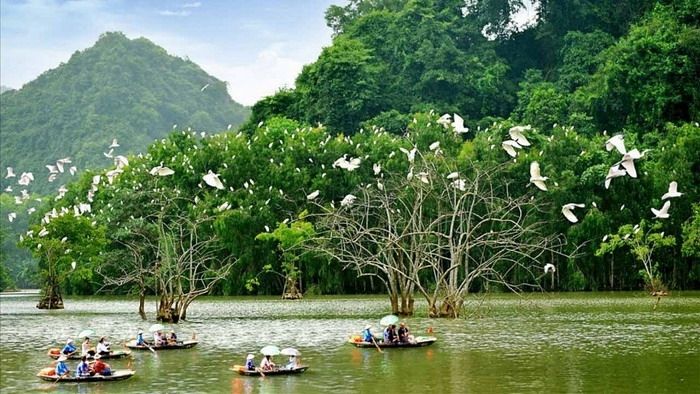
Giá trị đặc biệt
Theo Giáo sư Nguyễn Hoàng Trí, Chủ tịch Ủy ban Quốc gia Chương trình Con người và sinh quyển Việt Nam, sinh quyển chính là phần của Trái đất có các sinh vật sinh sống, kể cả con người. Từ những loài sinh vật sống dưới đáy biển sâu đến những loài sinh vật trong không khí hoặc sâu trong lòng đất đều thuộc về sinh quyển.
Theo định nghĩa của UNESCO, khu dự trữ sinh quyển thế giới là những khu vực hệ sinh thái bờ biển hoặc trên cạn, giúp thúc đẩy các giải pháp điều hòa việc bảo tồn đa dạng sinh học với việc phát triển bền vững khu vực đó, có giá trị nổi bật, được quốc tế công nhận.
Năm 2000, Khu Dự trữ sinh quyển rừng ngập mặn Cần Giờ (huyện Cần Giờ, Thành phố Hồ Chí Minh) đã trở thành khu đầu tiên của Việt Nam được UNESCO công nhận. Cách trung tâm thành phố khoảng 60 km, Khu Dự trữ sinh quyển rừng ngập mặn Cần Giờ được hình thành ở hạ lưu hệ thống sông Đồng Nai – sông Sài Gòn với tổng diện tích trên 75.700 ha, bao gồm vùng lõi, vùng đệm và vùng chuyển tiếp. Đây là nơi sở hữu của trên 300 loài thực vật bậc cao; hệ động vật với trên 640 loài gồm côn trùng, cá, lưỡng cư, bò sát, chim, thú. Ngoài ra, nơi đây còn có các phiêu sinh vật (sinh vật phù du) với khoảng trên 130 loài động vật nổi và thực vật nổi.
Tiếp tục đọc “Bảo tồn, phát triển bền vững các khu dự trữ sinh quyển và bảo tồn thiên nhiên”
mongabay.com Keith Anthony Fabro 20 Jun 2025 VietnamOceans
See All Key Ideas
Vietnam’s first marine protected area, Nha Trang Bay, has lost nearly 200 hectares (494 acres) of coral reef since its creation in 2002, a new study shows. The alarming decline raises fresh questions about how effective conservation efforts have been in protecting one of the country’s most iconic coastal ecosystems.
Tiếp tục đọc “Major coral loss in Vietnam’s first marine protected area: Study”
By YANNICK PETERHANS and ANIRUDDHA GHOSALUpdated 9:02 AM GMT+7, March 5, 2025Share
NHA TRANG, Vietnam (AP) — The gentle waves off the coast of central Vietnam’s Nha Trang obscure an open secret: The life-giving coral reefs below are dying. The waters are eerily devoid of fish. The bounty of the ocean is coming to an end.
This is why Binh Van — who fished in these waters for over two decades — now charters his boat to Vietnamese tourists wanting to experience the thrill of fishing in the deep waters of the South China Sea. But there is only squid, which is flourishing in oceans warmed by climate change, to catch. His passengers don’t mind as the boat moves away from Nha Trang’s twinkling beach resorts. But Van is pensive.
It wasn’t always like this. There was a time when he’d catch 70 kilograms (154 pounds) of fish, like tuna and grouper, in one night. He can’t make money on the squid.
“Now I usually go home empty-handed,” he said.
Tiếp tục đọc “Coral reefs in Vietnam face collapse. Can conservation efforts turn the tide?”
DW.com June 14, 2025
They hoped for a better career but ended up in Russia’s war factories. A new study reveals how young women, mainly from Africa, have been being exploited. Some of those affected have shared their stories with DW.
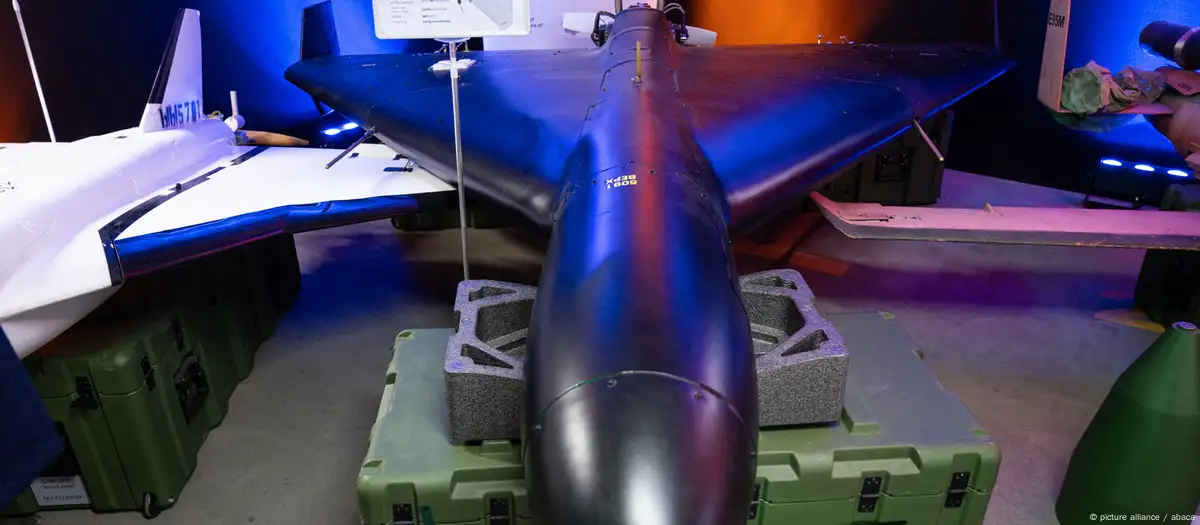
The Alabuga production facility manufactures Geran-2 combat drones based on the Iranian Shahed-136 modelImage: picture alliance / abaca
“I like Russia, its language and culture,” Aminata, 20, told DW. She wants to leave her home country of Sierra Leone in a few weeks to pursue an apprenticeship around 7,000 kilometers (4,300 miles) away in Russia.
Tiếp tục đọc “Exploited in Russia: African women forced to make drones”
vietnamfinance.com – 21/02/2025 08:30 (GMT+7)
(VNF) – Trong những năm gần đây, các hoạt động lừa đảo xuyên biên giới tại khu vực Đông Nam Á đã gia tăng mạnh mẽ, đặc biệt là những tổ chức lừa đảo có sự tham gia của các nhóm tội phạm Trung Quốc. Những tổ chức này không chỉ gây thiệt hại tài chính mà còn ảnh hưởng nghiêm trọng đến an ninh và trật tự xã hội của các quốc gia trong khu vực.
Các chiến dịch quốc tế nhằm đối phó với tình trạng này, bao gồm việc hồi hương hàng chục nghìn tội phạm lừa đảo về Trung Quốc, đã cho thấy sự tham gia của tội phạm nước này trong các vụ lừa đảo tại Đông Nam Á là rất lớn.
Theo một báo cáo mới đây của Trung tâm nghiên cứu chiến lược và quốc tế (CSIS, Mỹ), những hang ổ lừa đảo cắm rễ sau sự xuống dốc của lĩnh vực kinh doanh cờ bạc tại Đông Nam Á và gắn liền với các băng nhóm tội phạm người Trung Quốc.
Sau phong tỏa trong đại dịch Covid-19, nhiều khu casino và khách sạn bỏ trống đã biến thành các trung tâm lừa đảo qua mạng, nơi các nạn nhân buôn người bị chúng dụ dỗ và cưỡng ép đã lừa hàng tỷ USD từ nhiều người.
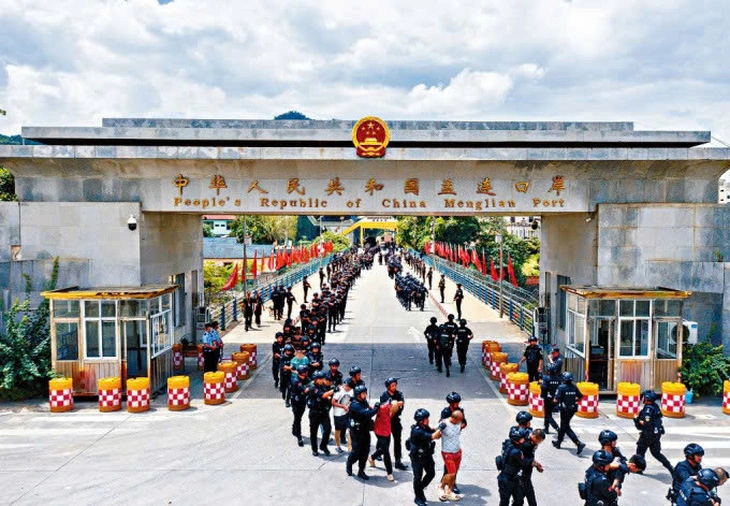
There is a human trafficking crisis in Southeast Asia. The UN estimates that 120,000 people have been trafficked to scam centres in Myanmar and another 100,000 in Cambodia. Many of them are brought through the border with Thailand. The victims are often forced to work as scammers, defrauding billions of dollars from unsuspecting targets across the world. These scam syndicates have been linked to the Chinese mafia as well as local rebels in Myanmar.
How do these scam centres operate? Who are the trafficking victims and how did they end up in this predicament? How is Thailand’s economy suffering from these trafficking networks, and what is being done to stamp them out? Insight investigates.
00:00 Introduction
01:22 Chinese victim in Myanmar’s scam factory
03:34 Why Southeast Asia is breeding ground for scams
06:23 High-profile kidnap of Chinese actor
07:52 Why war-torn Myanmar attracts scam kingpins
13:26 Changing demographic of trafficked victims 15:23 What happens inside scam centres
23:47 The voluntary scammers
25:21 How scams work
29:34 Romance gone wrong
34:49 China’s role in scam crackdown
37:21 What’s Thailand doing to fight scammers
 CVD
CVD 