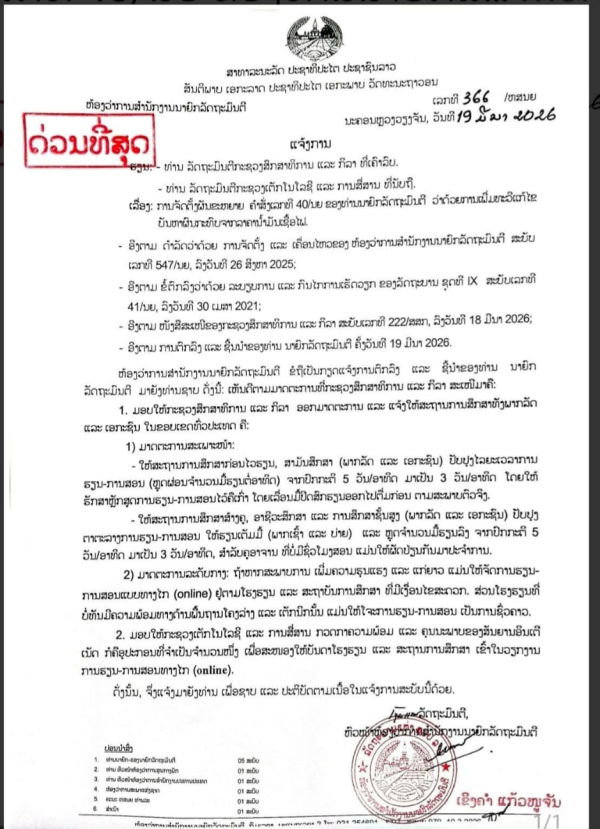
On March 19, 2026, the Prime Minister’s Office of the Lao PDR issued Notice No. 366/PMO mandating nationwide adjustments to school operations, as part of emergency measures to ease the financial strain on families amid continued fuel price volatility.
The directive, addressed to the Ministry of Education and Sports, introduces immediate changes to learning schedules while preserving academic standards and signaling further contingency steps if economic conditions worsen.
Under the order, all general education institutions—public and private—are required to scale back in-person instruction from five days to three days per week. Schools must continue delivering the full curriculum, with the academic calendar extended to compensate for reduced classroom time.
For teacher training institutes, vocational schools, and higher education institutions, schedules will be restructured into full-day sessions, combining morning and afternoon classes, while similarly reducing attendance to three days per week. Teaching personnel without assigned classes are instructed to report for duty on a rotating basis.
Officials said the policy is aimed at lowering transportation-related expenses for households while ensuring continuity in education delivery.
The government also outlined escalation measures should fuel-related pressures persist. Institutions with adequate digital infrastructure will transition to remote learning, while those lacking technical readiness may be required to temporarily suspend operations.
To support potential online learning, the Ministry of Technology and Communications has been tasked with verifying internet reliability nationwide and assessing the availability of essential equipment.
Authorities stressed that parents, teachers, and students must prepare for immediate implementation, highlighting the government’s broader effort to balance economic relief with uninterrupted access to education during a period of heightened cost pressures.
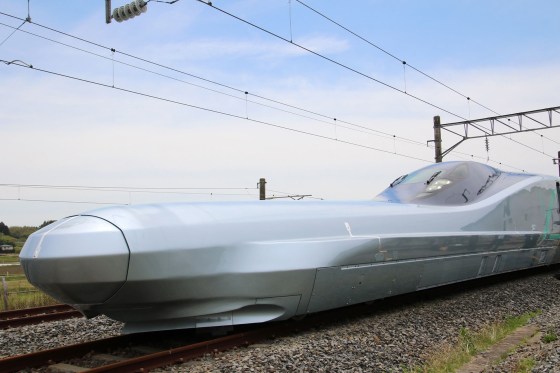
China’s high-speed rail network is reshaping regional air travel, challenging short-haul aviation and redefining how passengers move across the country. Yuanfei Zhao (Scott) explores the co-evolution of rail and air, and examines the implications for airline strategy, fleet demand and the future of China’s regional aviation market.
China’s transportation landscape has undergone a quiet but profound transformation, one that is redefining how people move across the country and recalibrating the roles of air and rail in the national mobility ecosystem. At the heart of this shift is the rapid rise of high-speed rail (HSR), which has not only captured market share from short-haul aviation but has fundamentally altered traveller behaviour, airline network strategies, and urban connectivity.


 CVD
CVD 