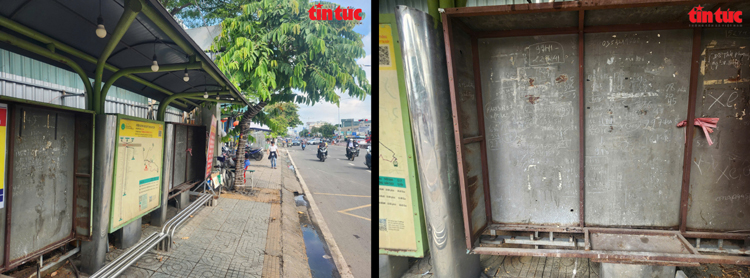
TP Hồ Chí Minh từng đầu tư đồng bộ nhiều nhà chờ xe buýt hiện đại với mái che, bảng thông tin điện tử, camera… nhằm nâng cao trải nghiệm cho người dân khi sử dụng phương tiện giao thông công cộng. Tuy nhiên, hiện nay nhiều nhà chờ và bảng thông tin điện tử đã rơi vào tình trạng xuống cấp, hư hỏng, gây bất tiện cho hành khách.
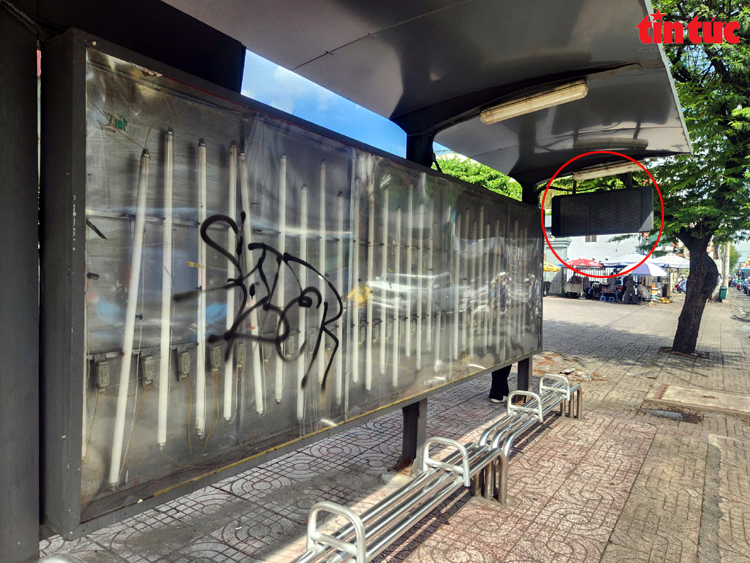
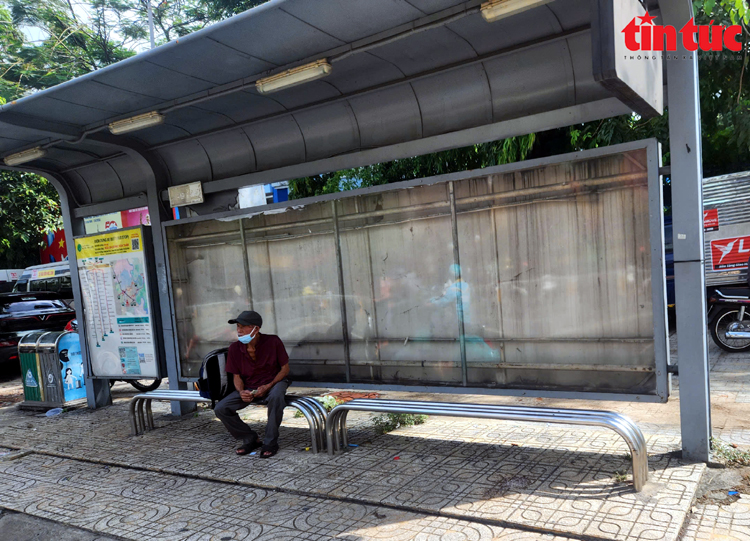
Theo ghi nhận của phóng viên báo Tin tức và Dân tộc, tại nhiều tuyến đường như Lê Lợi, Nguyễn Thị Minh Khai (Quận 1); Hồng Bàng, Thuận Kiều (Quận 5); Nguyễn Hữu Thọ (Quận 7); Trường Chinh (Quận Tân Bình); Lê Trọng Tấn (Quận Tân Phú) và khu vực huyện Nhà Bè… nhiều bảng đèn nhà chờ xe buýt hư hỏng, rỉ sét, bị vẽ bậy và bảng thông tin điện tử không còn hoạt động. Tình trạng này đặc biệt phổ biến trước các trường học, bệnh viện – nơi có lượng lớn người dân cần di chuyển bằng xe buýt.
Bảng đèn nhà chờ xe buýt trên đường Lê Trọng Tấn (quận Tân Phú) xuống cấp bị hư hỏng, rỉ sét.Bảng đèn 2 nhà chờ xe buýt trên đường Trường Chinh (quận Tân Bình) không có thông tin và bị vẽ bậy.
In “Freedom: Memoirs 1954-2021” (published by St. Martin’s Press), former German Chancellor Angela Merkel writes about two lives: her early years growing up under a Communist-controlled police state in East Germany, and her years as leader of a nation reunited following the fall of the Berlin Wall.
Read an excerpt below
Prologue
This book tells a story that will not happen again, because the state I lived in for thirty-five years ceased to exist in 1990. If it had been offered to a publishing house as a work of fiction, it would have been turned down, someone said to me early in 2022, a few weeks after I stepped down from the office of federal chancellor. He was familiar with such issues, and was glad that I had decided to write this book, precisely because of its story. A story that is as unlikely as it is real. It became clear to me: telling this story, drawing out its lines, finding the thread running through it, identifying leitmotifs, could also be important for the future.
For a long time I couldn’t imagine writing such a book. That first changed in 2015, at least a little. Back then, in the night between September 4 and 5, I had decided not to turn away the refugees coming from Hungary at the German-Austrian border. I experienced that decision, and above all its consequences, as a caesura in my chancellorship. There was a before and an after. That was when I undertook to describe, one day when I was no longer chancellor, the sequence of events, the reasons for my decision, my understanding of Europe and globalization bound up with it, in a form that only a book would make possible. I didn’t want to leave the further description and interpretation just to other people.
– 83.4 million people were living in internal displacement at the end of 2024, more than twice as many as only six years ago (2018).
– 90 per cent had fled conflict and violence. In Sudan, conflict led to 11.6 million internally displaced people (IDPs), the most ever for one country. Nearly the entire population of the Gaza Strip remained displaced at the end of the year.
– Disasters triggered nearly twice as many movements in 2024 as the annual average over the past decade. The 11 million disaster displacements in the United States were the most ever recorded for a single country.
GENEVA, Switzerland – The number of internally displaced people (IDPs) reached 83.4 million at the end of 2024, the highest figure ever recorded, according to the Global Report on Internal Displacement 2025 published today by the Internal Displacement Monitoring Centre (IDMC). This is equivalent to the population of Germany, and more than double the number from just six years ago.
“Internal displacement is where conflict, poverty and climate collide, hitting the most vulnerable the hardest,” said Alexandra Bilak, IDMC director. “These latest numbers prove that internal displacement is not just a humanitarian crisis; it’s a clear development and political challenge that requires far more attention than it currently receives.”
– 2024 had the most tropical primary forest loss since our records began two decades ago — disappearing at a rate of 18 football (soccer) fields per minute, nearly double that of 2023. – Almost half of this loss was due to fires, around 5 times more than a typical year in the tropics. Latin America was particularly hard hit with major fires across Brazil, Bolivia and numerous other countries. – Fires also continued to drive tree cover loss outside of the tropics, with high levels of loss once again in Russia and Canada. Overall, the world lost an area of forests nearly the size of Panama.
This data must be a wake-up call for global policies and finance that incentivize keeping forests standing. Read our analysisfor more findings from the University of Maryland GLAD Lab’s annual data
Bộ Nông nghiệp và Môi trường vừa chính thức kiến nghị về áp dụng lộ trình kiểm định khí thải xe máy.
Hà Nội sẽ bắt đầu kiểm định khí thải xe máy từ 2027. Ảnh: Xuyên Đông
Bộ Nông nghiệp và Môi trường trình dự thảo Quyết định của Thủ tướng Chính phủ quy định lộ trình áp dụng quy chuẩn kỹ thuật quốc gia về khí thải xe mô tô, xe gắn máy 9 (xe máy) lưu hành ở Việt Nam.
Thời điểm bắt đầu thực hiện kiểm định khí thải xe máy đang lưu hành như sau:
Từ 1 tháng 1 năm 2027 đối với xe máy lưu hành trên địa bàn 2 thành phố trực thuộc Trung ương, gồm thành phố Hà Nội và Thành phố Hồ Chí Minh.
Từ 1 tháng 1 năm 2028 đối với xe máy lưu hành trên địa bàn 4 thành phố trực thuộc Trung ương còn lại, gồm thành phố Hải Phòng, thành phố Đà Nẵng, thành phố Cần Thơ và thành phố Huế.
Từ 1 tháng 1 năm 2030 đối với xe máy lưu hành trên địa bàn các tỉnh, thành phố còn lại. Tùy theo tình hình thực tế, các tỉnh, thành phố này có thể quy định áp dụng thời hạn sớm hơn.
Xe mô tô sản xuất trước năm 2008, áp dụng Mức 1 – Giới hạn lớn nhất cho phép của khí thải quy định tại Quy chuẩn kỹ thuật môi trường quốc gia về khí thải xe mô tô, xe gắn máy lưu hành ở Việt Nam.
Xe mô tô sản xuất từ năm 2008 đến năm 2016, áp dụng Mức 2 – Giới hạn lớn nhất cho phép của khí thải quy định tại Quy chuẩn kỹ thuật môi trường quốc gia về khí thải xe mô tô, xe gắn máy lưu hành ở Việt Nam.
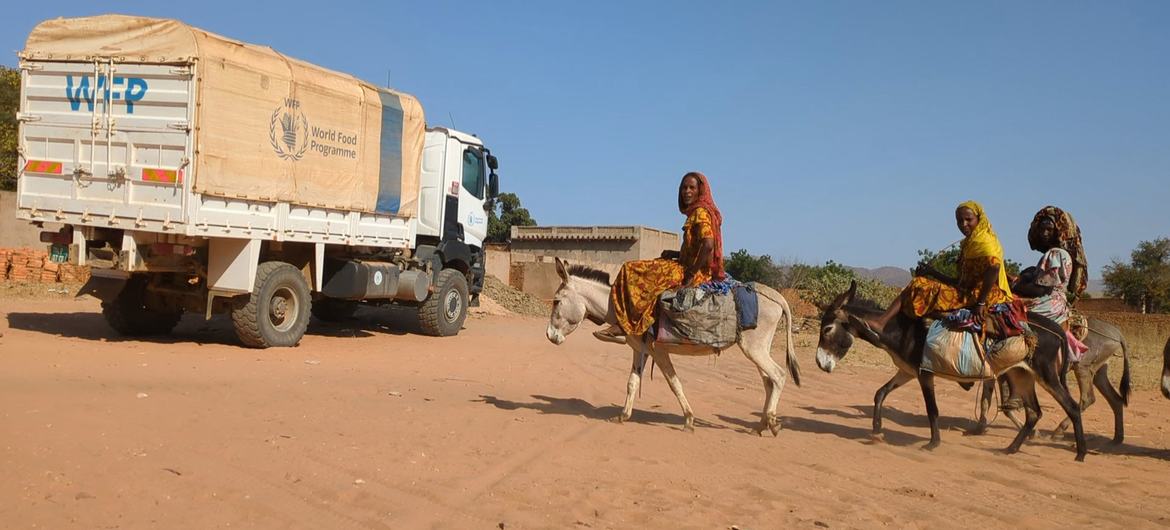
In July 2024, famine was detected in the Sudan’s Zamzam IDP camp. In the following months, the official alert expanded to other camps in Darfur and Western Nuba Mountains. From December until now, famine has been confirmed in five other areas of the war-torn country. A further 17 areas are at risk.
It is the first time since 2017 that a famine has been declared anywhere on Earth.
In the 20 months since the war between rival militaries erupted, 13 million Sudanese have been forcibly displaced and over 30.4 million are in desperate need of humanitarian assistance, according to UN estimates.
Pulitzer Prize-winning photographer Nick Ut, center, flanked by Kim Phuc, left, holds the” Napalm Girl”, his Pulitzer Prize winning photo as they wait to meet with Pope Francis during the weekly general audience in St. Peter’s Square at The Vatican, May 11, 2022. (AP Photo/Gregorio Borgia, file)
Nhân 50 năm ngày cuộc chiến kết thúc, BBC News Tiếng Việt giới thiệu lại loạt phóng sự của các phóng viên BBC đã có mặt tại Việt Nam và tường thuật thời khắc lịch sử này.
The intricate histories and niche experiences that we love about Saigon can make it difficult to explore. If you enjoy reading about Saigoneer’s favorite destinations, Urbanist Travel can help create a tailor-made itinerary based on your requests. More Informatio
Read this article in Vietnamese at Sài·gòn·eer.From the very first discussions in 1868 regarding a new marketplace for Saigon, it was not until 1914, that Bến Thành Market became a reality. The birth of the market was like a dream come true, one that came together after nearly five decades of debate in search of solutions for the city’s infrastructure woes.
The five-decade quest to seek a “worthy” marketplace
In her research conducted on the vendors of Bến Thành, anthropologist Ann Marie Leshkowich recounts the lengthy discussions of then Saigon’s colonial administration regarding the establishment of a new commercial center, one that, according to them, must become a place “worthy” of the metropolis they were helping to create.
In 1868, the French had only spent about one decade trying to install a colonial network in Vietnam. Members of the Municipal Council (Conseil Municipal) had the thought of building a new marketplace from metal, replacing traditional thatch markets. In 1869, a budget of 110.000 francs was greenlit, but by 1870, the estimated expenditure had ballooned threefold, causing them to reconsider the planned building methods and amount of materials.
AAANguyễn Văn Quại, 63, walked slowly on the muddy dirt path in his yard, his hands clasped behind his back. He stopped beside a tree split in half, its branches dipping into the stagnant water of a narrow moat, and gestured towards the rest of his leafless crop — their trunks yellow, their bark cracked and brittle.
This story was supported by the Pulitzer Center.
Nguyễn Văn Quại points to his durian trees in Ngũ Hiệp.
For decades, Quại has called Ngũ Hiệp home. The small island on the Mekong River in Tiền Giang Province is less than two hours inland from the sea. His family first farmed rice but turned to durian, a more lucrative crop, in the early 1990s. Now, more than 200 trees stand in his yard, their thorny fruit bringing in hundreds of millions of VND.
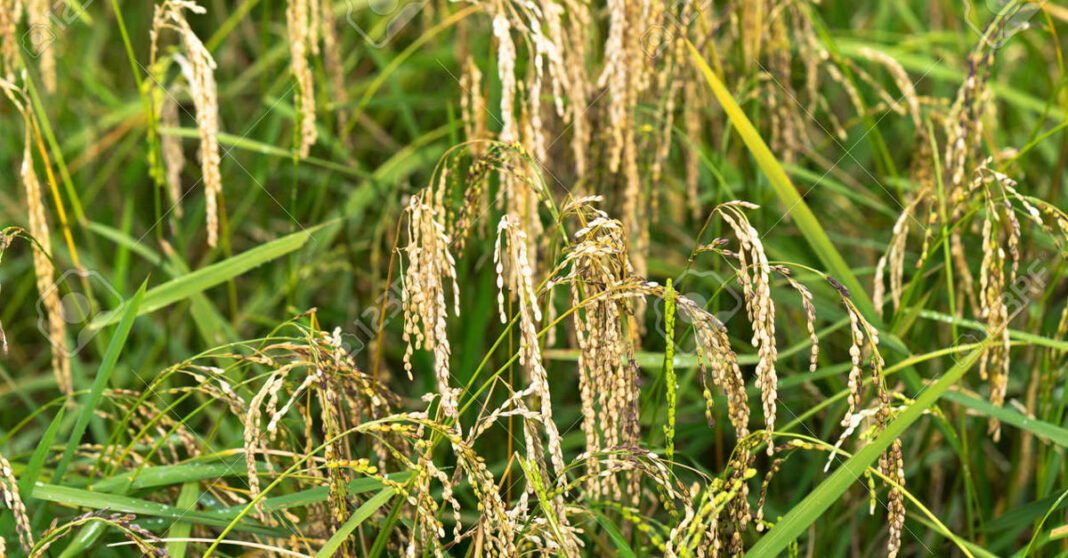
Southern China is facing a surge in agricultural pests migrating from neighboring Southeast Asian countries, including Laos, Myanmar, and Cambodia. This pest migration, driven by climate-related factors, poses a growing threat to regional food security.
A recent study highlights the role of extreme weather in this phenomenon. Researchers found that the ongoing El Niño event, marked by unusually warm ocean temperatures in the Equatorial Pacific, is contributing to hotter and more humid conditions, which are ideal for pest breeding.
In addition to favorable breeding conditions, strong seasonal winds are carrying these pests into Southern China, facilitating their rapid spread and increasing the risk of crop damage.
While wind is a major factor in their movement, scientists note that insect migration is also influenced by environmental stressors such as extreme heat, drought, and the presence of predators.
Insects migrate in response to immediate environmental cues, the study explains. They may move to escape harsh conditions, find food, avoid overcrowding, or locate new habitats suitable for reproduction.
The problem isn’t confined to China. In Laos, climate change is also taking a toll. The country has experienced record-breaking heatwaves, reaching 43.2 degrees Celsius in 2024, along with persistent water shortages and weakened agricultural infrastructure.
These factors have led to crop failures, livestock losses, and growing food insecurity. An estimated 82 percent of households lack access to safe water, compounding the crisis for rural communities.
Globally, climate change is expected to worsen food insecurity. Rising temperatures and shifting rainfall patterns are already making it more difficult to grow crops in traditional farming regions.
By 2100, nearly 30 percent of the world’s food crops may be exposed to climate conditions they have never encountered before. While much of the focus is on staple crops like rice and wheat, many other plants grown in equatorial regions could also suffer under the changing climate.
Tibetan spiritual leader says in a new book that his people’s aspiration for freedom cannot be indefinitely delayed.
The Dalai Lama offers blessings to his followers at his Himalayan residence in the northern hill town of Dharamshala, India, on December 20, 2024 [Priyanshu Singh/Reuters]
Published On 11 Mar 202511 Mar 2025
The Dalai Lama has said that his successor will be born in the “free world” outside of China.
In a new book released on Tuesday, the 89-year-old spiritual leader of Tibetan Buddhism says that he will be reincarnated outside of Tibet, which is an autonomous region of China.
“Since the purpose of a reincarnation is to carry on the work of the predecessor, the new Dalai Lama will be born in the free world so that the traditional mission of the Dalai Lama – that is, to be the voice for universal compassion, the spiritual leader of Tibetan Buddhism, and the symbol of Tibet embodying the aspirations of the Tibetan people – will continue,” the Dalai Lama, who fled Tibet for India in 1959, writes in Voice for the Voiceless.
China considers Tibet, which has alternated between independence and Chinese control over the centuries, as an integral part of the country and views movements advocating greater autonomy or independence as threats to its national sovereignty.
Beijing has labelled the current Dalai Lama, who was identified as the reincarnation of his predecessor at two years old, a “separatist” and insisted on the right to appoint his successor after his death.
The Dalai Lama, who stepped down as the political leader of the Tibetan government-in-exile in 2011 to focus on his spiritual role, has denied advocating Tibetan independence and argued for a “Middle Way” approach, which would grant the mainly Buddhist territory greater autonomy.
In his book, the Dalai Lama writes that he has received numerous petitions from people in and outside Tibet asking him to ensure that his lineage continues, and says that Tibetan people’s aspirations for freedom cannot be denied indefinitely.
“One clear lesson we know from history is this: If you keep people permanently unhappy, you cannot have a stable society,” he writes.
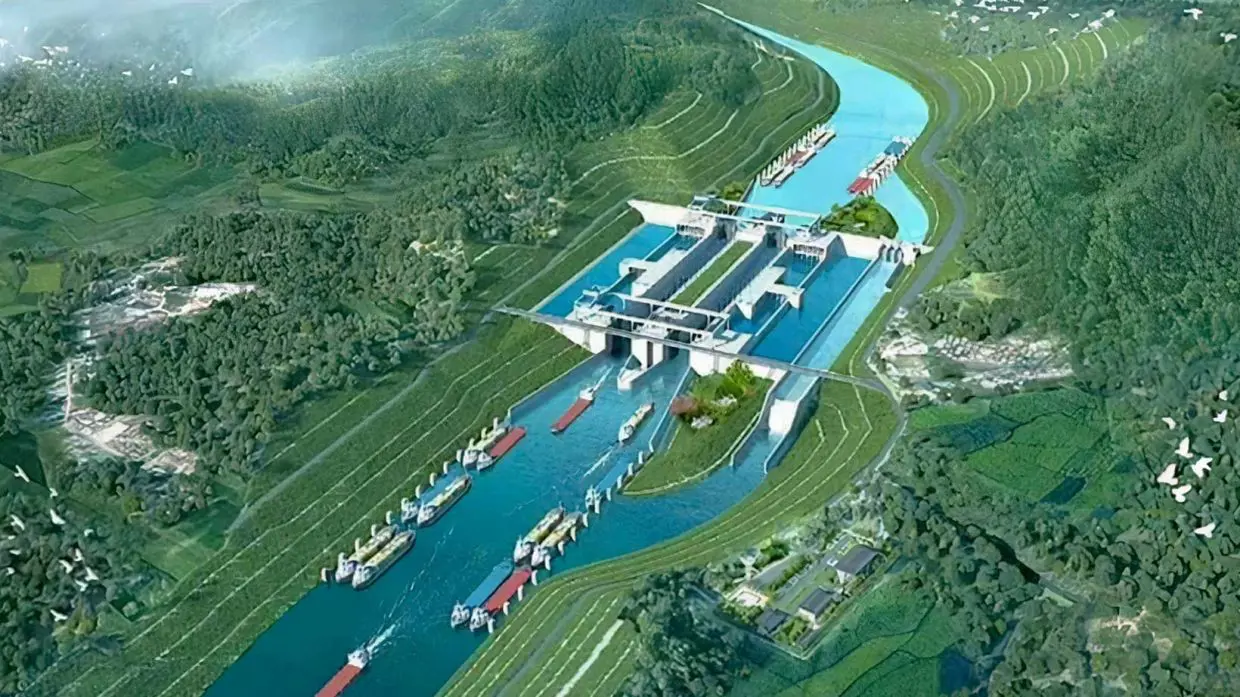
PHNOM PENH, Cambodia (AP): Cambodia and China have signed a US$1.2 billion deal to finance an ambitious canal project that aims to boost trade efficiency by linking a branch of the Mekong River near Phnom Penh to a port on the Gulf of Thailand, the Cambodian government agency heading the project has announced,
The deal to fund the Funan Techo Canal was signed Thursday during the state visit to Cambodia of Chinese President Xi Jinping, the agency said in a news release. Xi returned home Friday after a three-nation Southeast Asian tour that also included Vietnam and Malaysia.
Nearly as many U.S. adults have little or no confidence as have high confidence
WASHINGTON, D.C. — An increasing proportion of U.S. adults say they have little or no confidence in higher education. As a result, Americans are now nearly equally divided among those who have a great deal or quite a lot of confidence (36%), some confidence (32%), or little or no confidence (32%) in higher education. When Gallup first measured confidence in higher education in 2015, 57% had a great deal or quite a lot of confidence and 10% had little or none.
The latest results are based on a June 3-23 Gallup survey that gauged Americans’ confidence in various institutions. A follow-up story reporting on the remainder of institutions will be published in the coming days.
This year, Gallup and Lumina Foundation partnered to better understand the nature of confidence in higher education. The research includes the trend results reported above from Gallup’s June telephone survey as well as new results from a contemporaneous web survey of more than 2,000 Gallup Panel members.
A review of the historical trends shows that confidence has dropped among all key subgroups in the U.S. population over the past two decades, but more so among Republicans. Americans who lack confidence in higher education today say their concerns lie in colleges pushing political agendas, not teaching relevant skills, and being overly expensive.
Confidence in higher education among Republicans today is nearly a mirror image of what it was nine years ago. In 2015, 56% of Republicans had a great deal or quite a lot of confidence, and 11% had little or none. Now, 20% are confident and 50% have little or no confidence.
Republicans are not alone in having reduced confidence in higher education, as 35% of independents, down from 48% in 2015, and 56% of Democrats, down from 68%, are confident.
In the past year, all party groups have shown at least some increase in the percentage with very little or no confidence, and a decrease in the percentage saying they have some. None of the party groups shows meaningful change in high confidence over the past year.




![The Dalai Lama offers blessings to his followers at his Himalayan residence in the northern hill town of Dharamshala, India, on December 20, 2024 [Priyanshu Singh/Reuters]](https://www.aljazeera.com/wp-content/uploads/2025/03/2025-03-11T023323Z_218289473_RC2RSBA1K164_RTRMADP_3_INDIA-DALAI-LAMA-CHINA-1-1741677530.jpg?resize=770%2C513&quality=80)

 CVD
CVD 