Gaza: UN chief invokes ‘most powerful tool’ Article 99, in bid for humanitarian ceasefire

UN Steps Up Pressure for Gaza Cease-Fire With Strongest Move Since 1971

United Nations chief Antonio Guterres, in a letter to the Security Council, invoked the use of Article 99 of the Charter of the UN over the war in Gaza. Article 99 states that “the Secretary-General may bring to the attention of the Security Council any matter which in his opinion may threaten the maintenance of international peace and security,” according to Stéphane Dujarric, spokesperson for the UN Secretary-General

UN Secretary-General Antonio Guterres used a rarely exercised power to warn the Security Council on Wednesday of an impending “humanitarian catastrophe” in Gaza and urged its members to demand an immediate humanitarian ceasefire. The UN Security Council – of which most members are favourable to a ceasefire – is likely to meet Friday to discuss the matte
UN.org

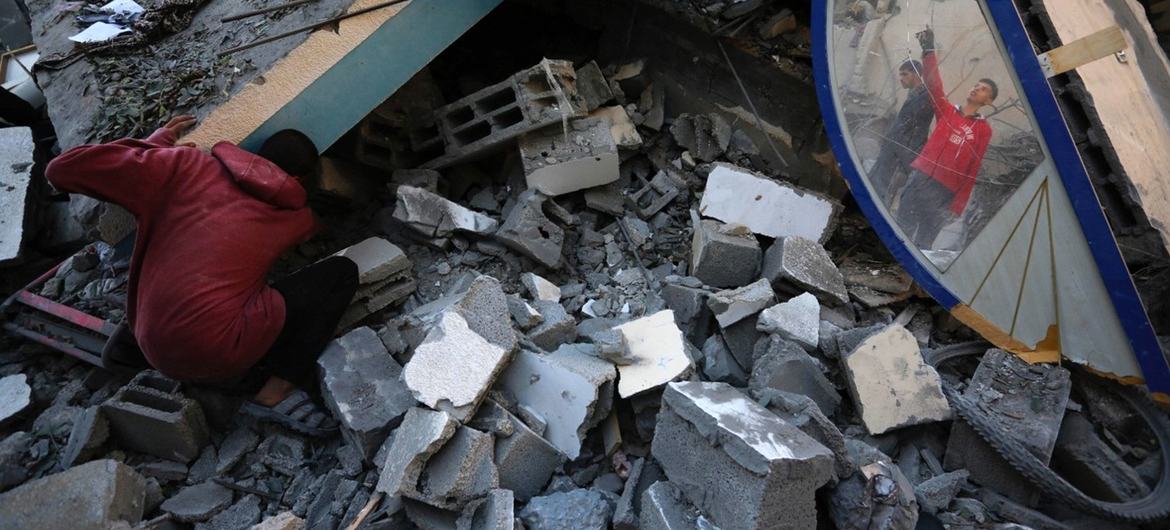
People search for their belongings in the rubble in the Nuseirat refugee camp in Gaza.

© UNRWA/Ashraf Amra People search for their belongings in the rubble in the Nuseirat refugee camp in Gaza

Peace and Security

Invoking a rarely used article of the UN Charter, Secretary-General António Guterres on Wednesday called on the Security Council to “press to avert a humanitarian catastrophe” in Gaza and unite in a call for a full humanitarian ceasefire between Israel and Palestinian militants.

In a letter to the Council, Mr. Guterres invoked Article 99, contained in Chapter XV of the Charter.

This says that the UN chief “may bring to attention of the Security Council any matter which in his opinion, may threaten the maintenance of international peace and security.”

In a statement to journalists along with the letter, UN Spokesperson Stéphane Dujarric said that this was the first time Mr. Guterres had felt compelled to invoke Chapter 99, since taking office in 2017.

Scale of loss

Tiếp tục đọc “Gaza: UN chief invokes ‘most powerful tool’ Article 99, in bid for humanitarian ceasefire”

Trees alone will not save the world

economist.com

But better markets and better monitoring will let them do more

An image showing a trio of three-dimensional trees made out of an image of a leaf against a bark background.
image: ben denzer

“Everything you see, as far as the eye can see, belongs to us,” says David Beleznay. “Us” is Mosaic, a forest-management company that looks after the upkeep and logging of much of Vancouver Island; Mr Beleznay is its director of climate and watersheds. “As far as the eye can see” takes in a long, deep valley whose forested flanks rise to the rocky top of Mount Arrowsmith. Towering evergreens—Douglas fir, cedar, hemlock—drape the island from its central peaks to the water’s rocky edge.

This drapery is, though, a bit patchy in places. Directly behind Mr Beleznay’s parked pickup are some “polygons”, as the industry calls them, where the trees have been clear-cut, leaving behind jumbled soil, stumps and woody debris; tiny saplings poke through it higgledy-piggledy. Mosaic has an eye to water quality in forest streams, to maintaining biodiversity, to being a partner to the island’s first nations. But the forest it manages is also the basis of a timber business.

Tiếp tục đọc “Trees alone will not save the world”

How Will This War End? How Can the Next One be Prevented?

FP asks experts two questions about the fighting between Israelis and Palestinians.

DECEMBER 7, 2023, 7:48 AM FP

By Zaha HassanDaniel C. KurtzerOmar DajaniDiana ButtuPeter R. MansoorDaniel LevyEhud OlmertEugene Kontorovich, and Elliott Abrams

A Palestinian is seen from behind as they look outside through a large broken window. Some shards of fractured glass remain in the frame, but the rest of the opening reveals dark smoke billowing from a dense street of buildings in Gaza City. The sky is otherwise light but hazy.

The war between Israel and Hamas—now in its ninth week after a brief cease-fire—has made talk of peace processes and hopes for final-status agreements seem more remote than ever. But the brief pause in fighting and the successful hostage exchange brokered with the assistance of Qatar—along with Egypt and the United States—suggested that there is space for diplomacy even amid a brutal war.

Rather than seeking blueprints for a permanent peace deal, which seems far-fetched given the current Israeli and Palestinian political leadership, Foreign Policy asked a range of experts two narrower questions:

  1. What will Gaza look like one year from now?
  2. What single policy could any actor in this conflict pursue that would make it less likely that this war will end like so many others, with the same security threats remaining and key political grievances unresolved?

—FP Editors


JUMP TO AUTHOR


Israeli Prime Minister Benjamin Netanyahu embraces U.S. President Joe Biden on a sunny day as photographers snap photos in the background. Biden's mouth is open and he squints against the sun as he speaks to Netanyahu, holding a pair of sunglasses in the hand he's using to hug the other man.Israeli Prime Minister Benjamin Netanyahu embraces U.S. President Joe Biden on a sunny day as photographers snap photos in the background. Biden’s mouth is open and he squints against the sun as he speaks to Netanyahu, holding a pair of sunglasses in the hand he’s using to hug the other man.
Israeli Prime Minister Benjamin Netanyahu (left) greets U.S. President Joe Biden on his arrival in Tel Aviv on Oct. 18.BRENDAN SMIALOWSKI/AFP VIA GETTY IMAGES


Tiếp tục đọc “How Will This War End? How Can the Next One be Prevented?”

Corporate Climate Action: Analyzing the Recent Surge of Climate Commitments

RMI.org
RMI analyzes what this increase in corporate commitments means and introduces a new tool to measure impact.

November 29, 2023 By  James Newcomb,  Adefunke Sonaike,  Daan Walter,  Laurens Speelman

On the eve of the UN Climate Change Conference (COP28), the media buzz about corporate climate action is decidedly mixed. Optimism about the growing numbers of companies setting climate goals is tempered by disappointing news about the pace of many companies’ actions to achieve their goals. We are still creating new structures and systems to guide corporate climate action and working through challenges as these systems mature. Beneath the surface, however, there are encouraging signals. Strong systemic forces are inexorably driving more companies to report greenhouse gas emissions, set independently verified climate action targets, and implement strategies to achieve these goals.

RMI is creating new tools and methods, still under development, to better analyze the potential implications of corporate climate action. In this article, we assess recent developments across this landscape, including preliminary analysis from the Corporate Commitments and Emissions Explorer (Corporate Explorer), a new online tool that allows users to explore sectoral emissions targets and actions.

Snapshot of corporate climate action: 2023
Tiếp tục đọc “Corporate Climate Action: Analyzing the Recent Surge of Climate Commitments”

COP28: The climate crisis is also a health crisis

UN.org

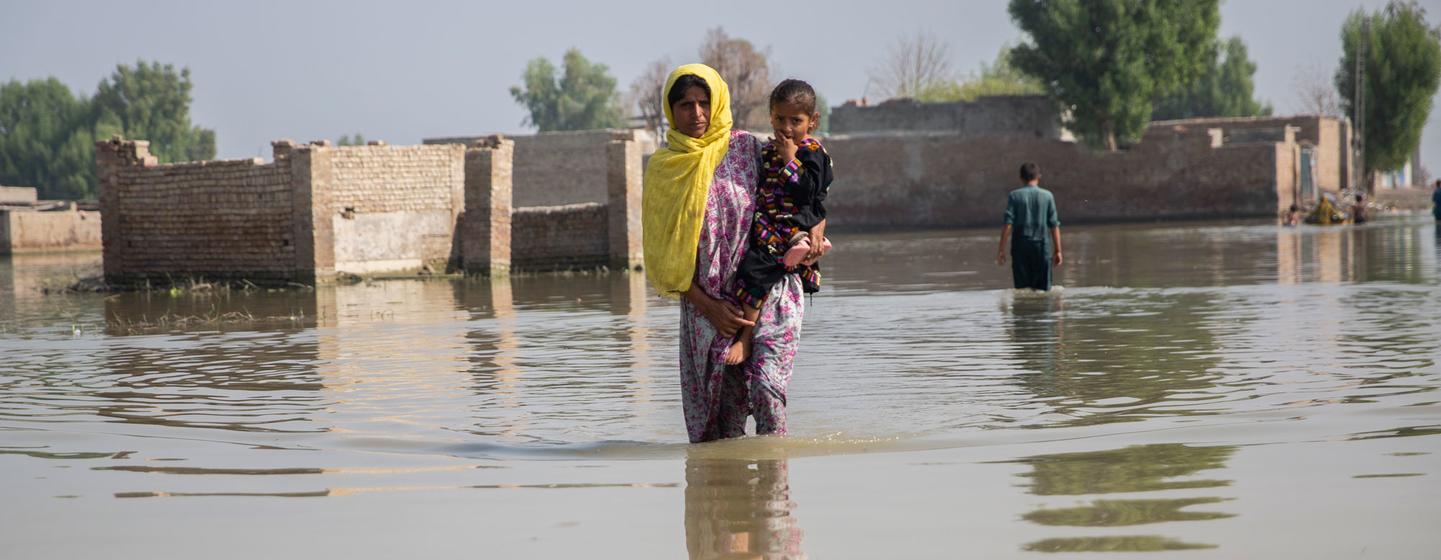
Malaria and other diseases were on the rise after floods earlier in the year in Sindh province, Pakistan.

COP28: The climate crisis is also a health crisis

© UNICEF/Saiyna Bashir Malaria and other diseases were on the rise after floods earlier in the year in Sindh province, Pakistan.

3 December 2023Climate and Environment

Health has made it onto the agenda of a UN climate conference, and health advocates at COP28 in Dubai on Sunday said the topic was long overdue for discussion as climate inaction is costing lives and impacting health every single day.

Our planet has logged higher mean temperatures each year, with 2023 set to be the hottest on record. Ice sheets are melting at an unprecedented rate. Wildfires have made the air hazardous in some regions, while in others, floods regularly threaten to contaminate drinking water.

Tweet URL

Against this backdrop, more and more people are being affected by disasters, climate-sensitive diseases and other health conditions.

Climate change exacerbates some existing health threats and creates new public health challenges. Worldwide, only considering a few health indicators, an additional 250,000 deaths per year will occur in the next decades because of climate change, according to the UN World Health Organization (WHO).

WHO Director General Dr. Tedros Adhanom Ghebreyesus told delegates at COP28 that it was long overdue for talks around environmental health, rising sea levels, and melting glaciers to include the direct impacts of such climate shocks on human health.

Tiếp tục đọc “COP28: The climate crisis is also a health crisis”

‘War on Drugs’ Failed and Policies Need Major Overhaul – Report

ips.news.net

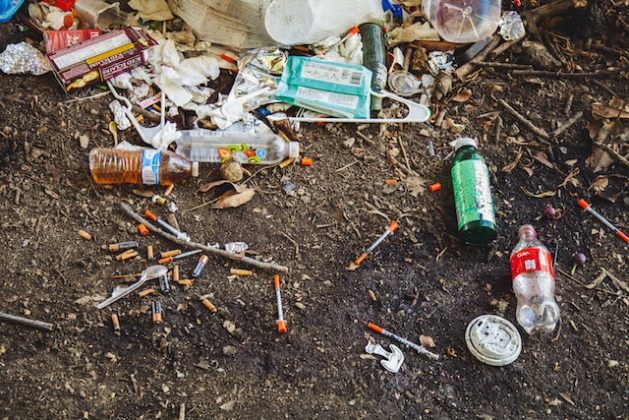
Global drug policies need an overhaul, new report says. Credit: Jonathan Gonzalez/Unsplash

Global drug policies need an overhaul, new report says. Credit: Jonathan Gonzalez/Unsplash

BRATISLAVA, Dec 5 2023 (IPS) – A major advocacy group has demanded an overhaul of global drug policies as a landmark report is released showing how governments’ complacency has perpetuated a failed ‘war on drugs’ despite its devastating consequences for millions of people around the world.

Tiếp tục đọc “‘War on Drugs’ Failed and Policies Need Major Overhaul – Report”