Chasing malware scams: From Singapore to Vietnam, hacker hotspot

CNA

How Do Scammers Take Over Your Phone And Steal Your Money? – Part 1/2

Ever scroll through your social media and come across an advertisement for food or cleaning service? But an innocent ad could turn insidious when the seller asks you to download an app to place an order or booking. Since the start of this year, some 750 people have lost a combined total of over S$10 million to malware app scams. In this episode, host Steven Chia investigates how these scams work and attempts to bait a scammer himself.

00:00 Introduction

01:22 A deal too good to be true?

05:59 Malware: How does it work?

09:12 Could we easily fall for malware scams?

12:19 What a malware app might look like

18:55 Why are Android phones at greater risk than iPhones?

21:06 If I lose my money, will banks give my money back?

Who Are The People Behind Malware Scams? – Part 2/2

After investigating how malware scams affect victims, host Steven Chia heads to Vietnam to find out who is behind these scams and how easy it is to create malware. He meets a notorious ex-hacker who digs further into an app embedded with malware that was making its rounds in Singapore. He also finds out how sophisticated scams are going to get, and what we can do to protect ourselves. WATCH Part 1:    • How Do Scammers Take Over Your Phone …  

Tiếp tục đọc “Chasing malware scams: From Singapore to Vietnam, hacker hotspot”
Why Is Britain Retreating from Global Leadership on Climate Action?

Yale Environment 360

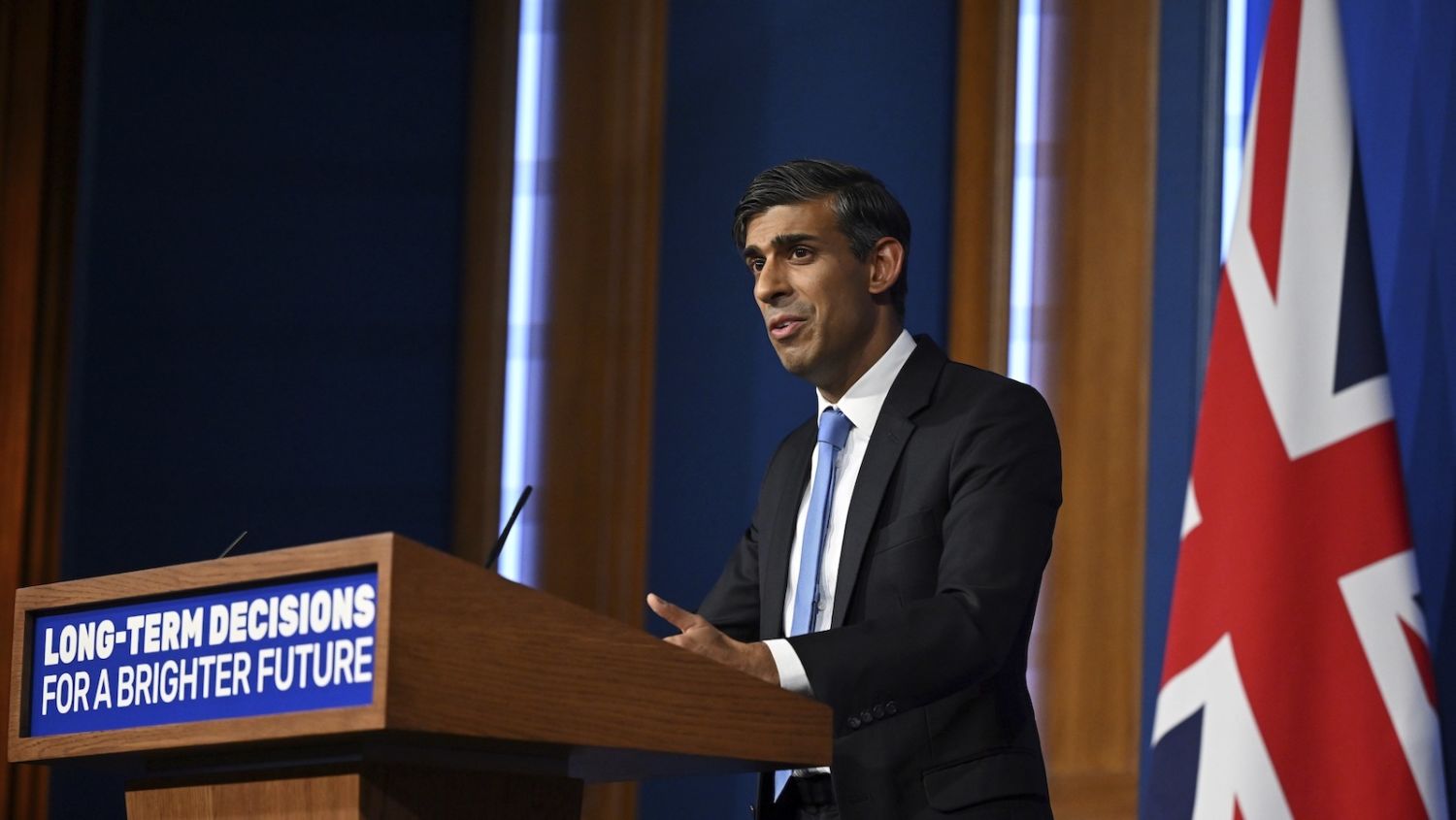
Prime Minister Rishi Sunak announcing last month that the U.K. will delay the phaseout of gasoline and diesel cars.
Prime Minister Rishi Sunak announcing last month that the U.K. will delay the phaseout of gasoline and diesel cars. JUSTIN TALLIS / POOL VIA AP

While Britain has long been a leader in cutting emissions, Prime Minister Rishi Sunak is now implementing a stunning reversal of climate-friendly policies, with new plans to “max out” oil production. Business leaders have joined environmentalists in condemning the moves.

BY FRED PEARCE • OCTOBER 17, 2023

In 1988, British Prime Minister Margaret Thatcher became the first world leader to take a stand on fighting climate change. Last month, exactly a quarter-century later, her successor Rishi Sunak tore up a cross-party consensus on the issue that had survived the intervening eight general elections and replaced it with a populist assault on what had been his own government’s environmental policies.

Thatcher, who trained as a chemist before entering politics, took her stand at a packed meeting of the country’s most prestigious science body, the Royal Society, on September 27, 1988. She told the assembly that “we are creating a global heat trap which could lead to climate instability” and promised action to curb global warming and achieve “stable prosperity”.

Tiếp tục đọc “Why Is Britain Retreating from Global Leadership on Climate Action?”

Fukushima wastewater issue will further divide a nation, split families, and cause ‘atomic divorce’

thebulletin.org By Maxime Polleri | October 17, 2023

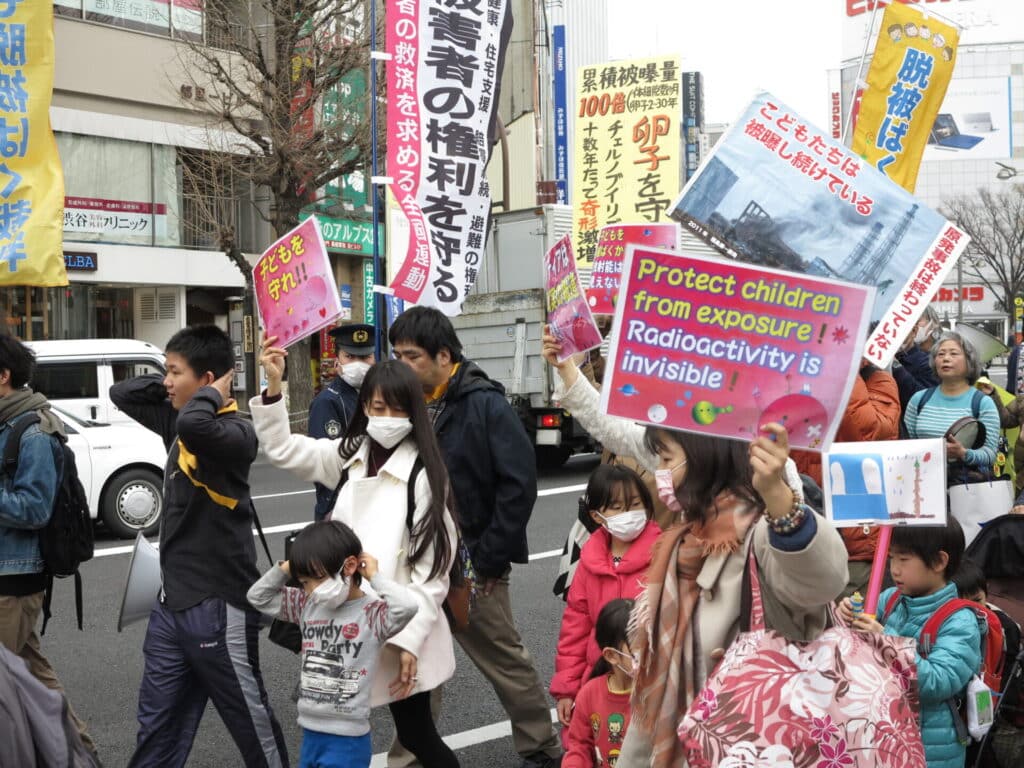
 Mothers march in Tokyo against radiation exposure risks five years after the Fukushima nuclear disaster on March 5, 2016. (Photo by Maxime Polleri)Share

In a bid to dispel seafood worries around the release of Fukushima nuclear wastewater into the ocean, Japan’s Prime Minister Fumio Kishida ate an array of sashimi late in August; the raw fish ranged from flounder to sea bass caught in the Fukushima area. It is “safe and delicious,” he joyfully declared during a public relations effort to revitalize the fishing industry, which has been affected by a Chinese seafood ban and consumer anxieties over the wastewater release.

Many applauded Kishida’s comment, which echoes the same government narrative around post-Fukushima food safety, as well as his firm support for the release of tritium-contaminated water—a discharge process that the International Atomic Energy Agency stated complies with operational safety limits for radiation.

But as someone who studied the aftermath of the Fukushima nuclear disaster for more than a decade, I believe that this decision will irreversibly erode public trust and create irreparable long-lasting tensions. During my years of research in Japan as an anthropologist, I witnessed first-hand how state policies around Fukushima’s economic recovery are fragmenting communities, which constitutes an enduring catastrophe of its own.

Tiếp tục đọc “Fukushima wastewater issue will further divide a nation, split families, and cause ‘atomic divorce’”

Fukushima’s Nuclear Wastewaters Have Been Released. Now What?

34,303 views Oct 10, 2023 #Radioactive#CNAInsider#Japan

Japan has completed phase one of wastewater release from the Fukushima-Daiichi nuclear disaster. Despite assurances from the government and IAEA representatives that the water’s radioactive particles, specifically Tritium, are not harmful, many in Japan and the region are not appeased.

Insight’s Genevieve Woo travels across Fukushima to find out what has happened since the release. She finds fishermen off the coast of Japan who are worried about their livelihoods. Meanwhile, China and Hong Kong seafood curbs continue. What repercussions will the wastewater have on Japan and its neighbours? What has happened one month after the water release? And does the data support further release of waters?

00:00 Introduction

01:30 Activists protest discharge of radioactive water

05:34 Treating radioactive wastewater before release

08:07 Fukushima’s fishermen unhappy

13:00 Impact on Fukushima’s tourism industry

17:59 People living near the plant react to the release

23:42 How much radiation is there really?

28:18 Distrust towards TEPCO and the Japanese government

35:08 China’s import ban on Japanese seafood

37:13 Does the rest of Japan have fears about the wastewater release?

42:41 Japan’s future nuclear power plans

=============== ABOUT THE SHOW: Insight investigates and analyses topical issues that impact Asia and the rest of the world.