What is climate security and why is it important?

UNDP.org September 1, 2023
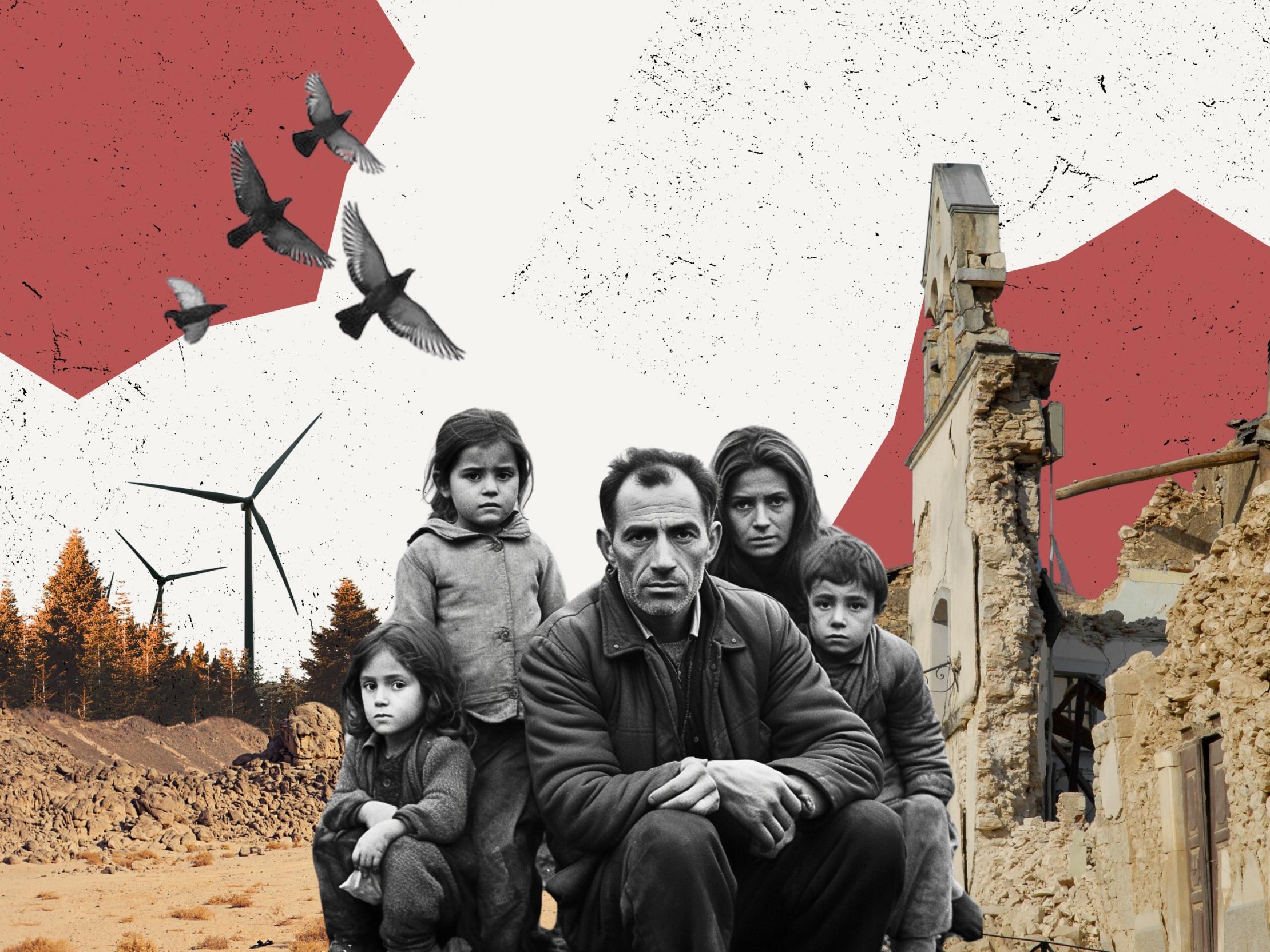
Climate security explainer

Summary

  • Climate security refers to the impacts of the climate crisis on peace and security, particularly in fragile and conflict-affected settings.
  • Climate change impacts can trigger competition over natural resources, insecure livelihoods, and mass displacement, increasing the risk of social tensions and instability.
  • Investing in climate action can be an opportunity to strengthen cooperation, rebuild trust, and mend the social fabric in fragile and conflict-affected settings.
  • UNDP supports countries in fragile settings align responses to climate change with conflict prevention and peacebuilding actions.
What is climate security?

Climate security refers to the impacts of the climate crisis on peace and security, particularly in fragile and conflict-affected settings.

Climate change can exacerbate food, water, and livelihood insecurity, with cascading effects such as increased competition over natural resources, social disruptions, and displacement. This can lead to increased tensions, conflict, and instability in a country or region.

In settings where conflict already exists, the impacts of climate change can aggravate or prolong it, making it more difficult to reach and sustain peace. Conflict can in turn disrupt or impede climate action, either through the active destruction of energy, water, and agricultural assets, or by delaying or blocking mitigation and adaptation interventions.

Why does climate security matter?

By 2030, climate change could push up to 130 million more people into poverty, not only exacerbating existing vulnerabilities, including food and water insecurity, but also socio-economic fragility, and political grievances. Within already fragile settings, these impacts can escalate security challenges and worsen instability. Furthermore, climate-related security risks often affect women at disproportionate levels.

Tiếp tục đọc “What is climate security and why is it important?”
EU CORPORATE SUSTAINABILITY REPORTING DIRECTIVE (CSRD): THE WHY, HOW & IMPACT ON VIETNAM

sustainablevietnam.com September 5, 2023

EU Corporate Sustainability Reporting Directive (CSRD):  The Why, How & Impact on Vietnam

By Christina Ameln, Sustainability Strategist and Advisor –

The EU’s Corporate Sustainability Reporting Directive (CSRD) is the most ambitious reporting directive putting climate, nature and social impacts (non-financial) equal to financial reporting. While it might seem as a regulation aimed exclusively at companies in the EU, the impact will be wide-reaching. Non-EU companies will also feel the impact, including in Vietnam. The potential significance of this regulation on Vietnamese companies, investments and especially Vietnam’s supply chain cannot be ignored.

For us to understand the impact, let’s review the:

  • EU Green Deal;
  • Corporate Sustainability Reporting Directive (CSRD);
  • European Sustainability Reporting Standards (ESRS);
  • Impact on Vietnam with a focus on company, investors and value chain with suppliers as the focus; and
  • How this is not just about compliance but how organizations will put sustainability strategically front and center.

EU Ambitions: Green Deal

Let’s take a step back to understand where this all originates. In 2020, the European Commission launched its ambitious European Green Deal. The goal is to become the first climate-neutral continent by 2050. And among other sustainability related goals, the Green Deal aims to reduce Europe’s greenhouse gas emissions by 2030.

But the EU cannot do it alone.

Market participants, such as corporates to financial market players, play an important role in achieving and contributing to these targets in shifting away from an economy that encourages carbon-intensive business to one that drives transformation to a zero-carbon society. There is also the question of funding: According to the EU Commission, Europe will need an estimated EUR 350 billion in additional investment per year over this decade to meet its 2030 emissions-reduction target in energy systems alone, alongside the EUR 130 billion it will need for other environmental goals.

Tiếp tục đọc “EU CORPORATE SUSTAINABILITY REPORTING DIRECTIVE (CSRD): THE WHY, HOW & IMPACT ON VIETNAM”