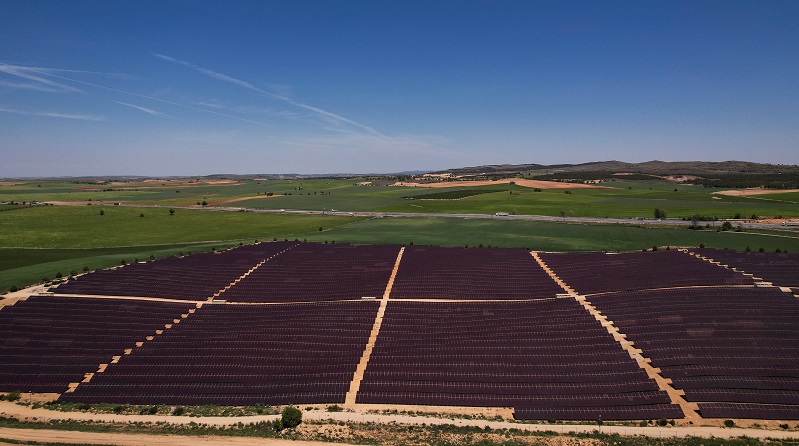
A Spanish solar plant in 2022 (REUTERS/Guillermo Martínez)
London’s High Court has ruled that two investors in Spanish solar energy plants are entitled to seize a Spanish property in London to enforce a judgment in a long-running dispute over renewable energy incentives.
The court’s interim charging order – meaning it is not yet final and can be objected to by the debtor – was issued on Wednesday but made public on Friday.
A recent study by Charles River Associates (CRA) outlines some worrying trends for global mining as the industry continues to expand and push into new markets.
The Toronto-based consultants, specialising in economic litigation found disputes between governments and investors involving mineral assets are growing rapidly – with 60% of all arbitrations over the last fifty years filed in the last decade.
Sweltering heatwaves each year underline the need for a faster energy transition and speedier reform of international investment agreements (IIAs) to support the shift away from fossil fuels.
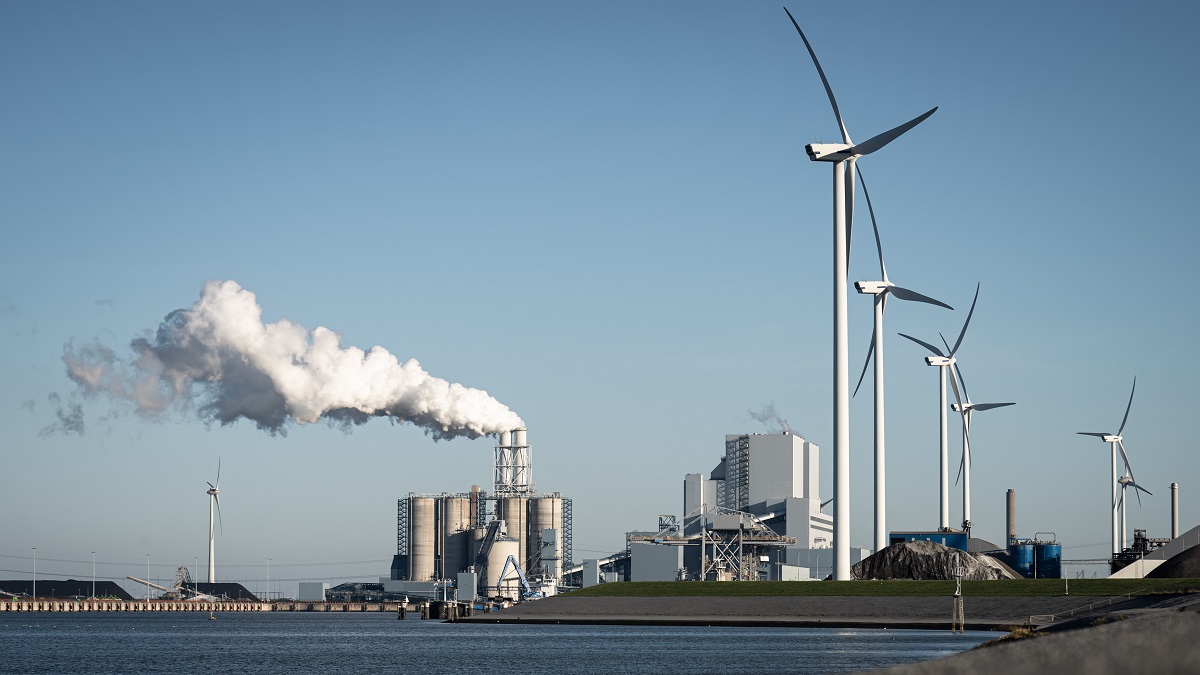
But many investment treaties, especially older ones, can hinder the transition. As countries try to cut ties with fossil fuels, oil and gas firms might use these treaties to challenge policy changes. An example is a coal phase-out claim against the Netherlands.
How did two countries with the same language, culture, and history turn out so differently?
Last Updated April 28, 2023
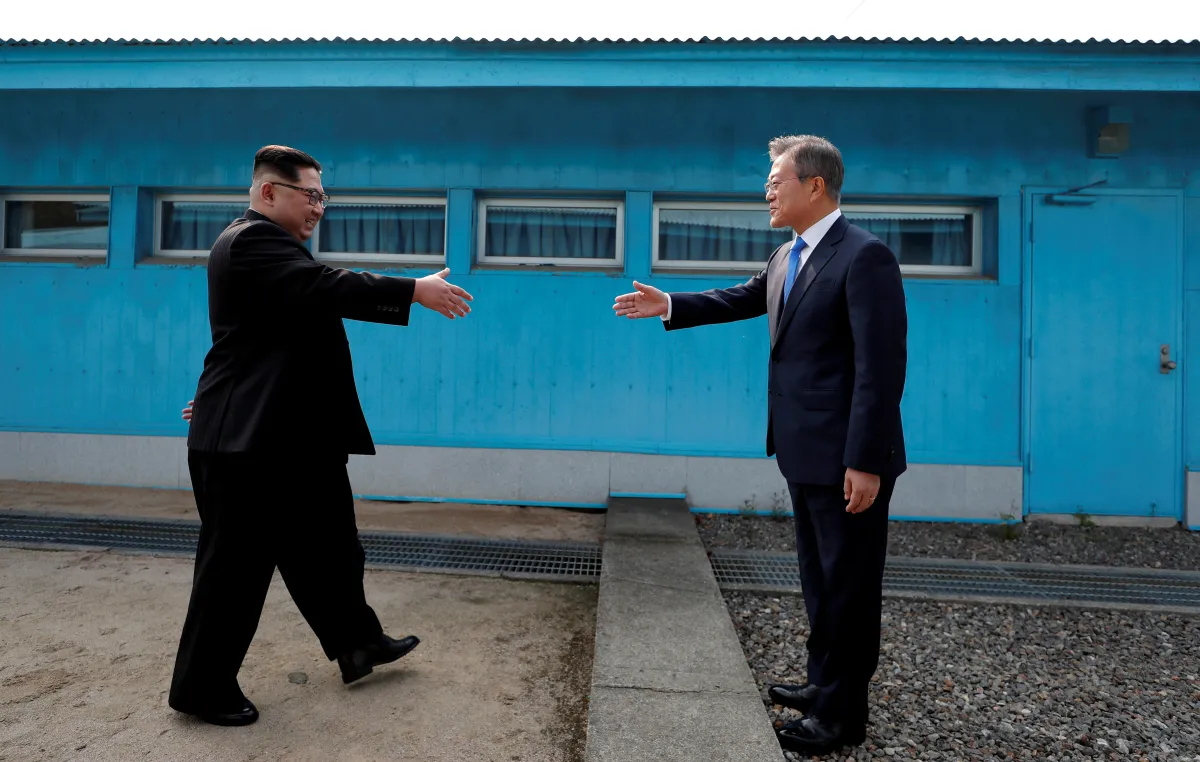
South Korean President Moon Jae-in and North Korean leader Kim Jong Un shake hands at the truce village of Panmunjom inside the demilitarized zone separating the two Koreas, South Korea, April 27, 2018.
Source: Korea Summit Press Pool via Reuters.SHARE
South Korea is one of the world’s most successful economies. It’s home to billion-dollar corporations like Samsung and produces some of the best high-tech electronics. But just across the border, North Korea is one of the most impoverished countries in the world. How can two countries with the same language, culture, and history—that were, not long ago, one united country—turn out so differently?
North and South Korea had been one nation for over a thousand years. Theoretically, they could have developed similarly after splitting in 1945, at the end of World War II. In fact, North Korea possessed the resources to outpace the south in development. But the political and economic decisions their leaders made destined the countries for completely different futures.
Without a country to call their own, millions of people experience discrimination and persecution.
Last Updated January 10, 2023
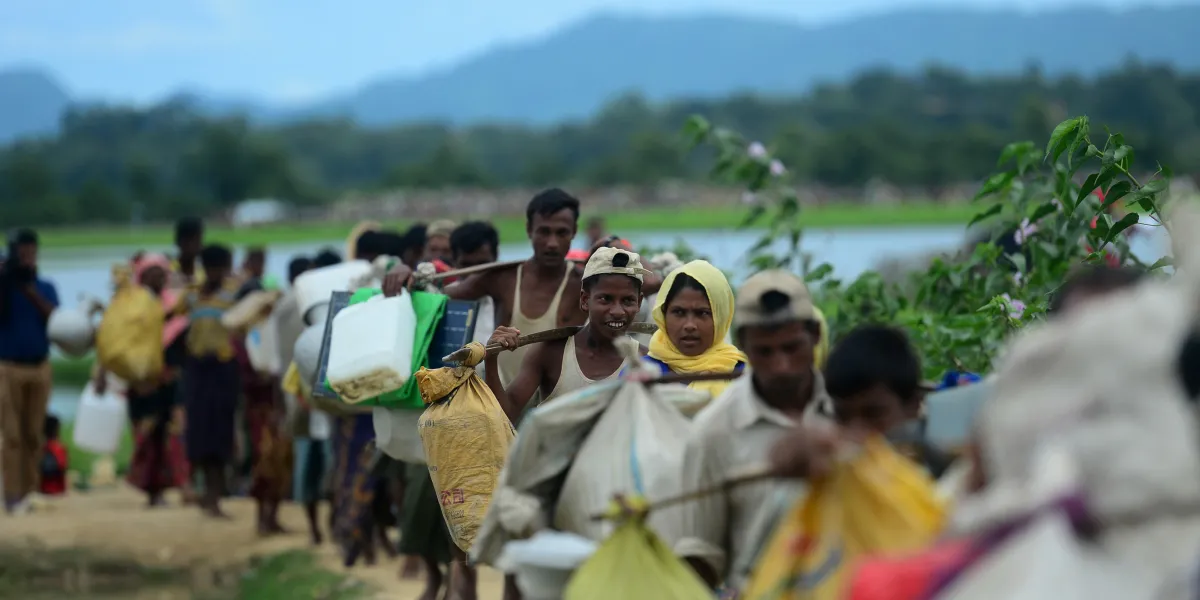
Rohingya walk near the no man’s land area between Bangladesh and Myanmar in the Palongkhali area next to Ukhia on October 19, 2017. Source: MUNIR UZ ZAMAN/AFP via Getty ImagesSHARE
Every two years, athletes from around the world gather to compete in the Olympic Games.
Competitions commence with host nations organizing spectacular opening ceremonies full of pageantry and, at times, peculiarities. At the 1992 Barcelona, Spain, opening ceremony, an archer lit the Olympic torch with a flaming arrow. At the 2012 London opening ceremony, organizers screened a film showing James Bond and Queen Elizabeth II, with stunt doubles later parachuting into the stadium. And in Sochi, Russia, in 2014, the Russian Police Choir kicked off the winter games with a rendition of Daft Punk’s disco-pop hit “Get Lucky.”


 CVD
CVD 