baophutho.vn – Chen- Chự – Hồ là ba bản người Dao nằm cheo leo cuối dãy núi Tu Tinh, nhìn xuống dòng suối Cái cuộn chảy và những dãy núi sừng sững như cột chống trời. Đây là ba bản cao và xa nhất, cách trung tâm xã Yên Sơn (huyện Thanh Sơn) gần 20km. Từng là địa bàn “sơn cùng, cốc thẳm”, lọt thỏm giữa bạt ngàn rừng, biệt lập với các thôn bản khác bởi giao thông cách trở nhưng nhờ Chương trình mục tiêu Quốc gia phát triển kinh tế- xã hội vùng đồng bào dân tộc thiểu số và miền núi, nhất là từ khi triển khai chương trình xây dựng nông thôn mới, Chen – Chự – Hồ đã ngày một đổi thay.
Đường từ bản Dao về trung tâm xã được mở rộng và trải nhựa, thuận lợi cho việc đi lại, giao thương, phát triển kinh tế – xã hội của người dân.Tiếp tục đọc “Ngày mới Chen – Chự – Hồ”→
On July 12 , 2016, an arbitral tribunal issued a long-awaited ruling in Manila’s case against Beijing’s claims in the South China Sea. How did the judges rule and how does the area of the South China Sea they found to be legally disputed compare to China’s infamous nine-dash line claim?
The tribunal invalidated Beijing’s claims to ill-defined historic rights throughout the nine-dash line, found that Scarborough Shoal is a rock entitled only to a 12-nautical-mile territorial sea, and surprised many observers by ruling on the legal status of every feature in the Spratly Islands raised by the Philippines. It found that none of the Spratlys, including the largest natural features—Itu Aba, Thitu Island, Spratly Island, Northeast Cay, and Southwest Cay—are legally islands because they cannot sustain a stable human community or independent economic life. As such, they are entitled only to territorial seas, not EEZs or continental shelves. Of the seven Spratlys occupied by China, the court ruled that Johnson Reef, Cuarteron Reef, Fiery Cross Reef, and Gaven Reef are rocks, while Hughes Reef and Mischief Reef are below water at high-tide and therefore generate no maritime entitlements of their own. It also ruled that Kennan Reef is a low-tide elevation, while Second Thomas Shoal and Reed Bank are submerged and belong to the Philippine continental shelf. Taken together, these decisions effectively invalidate any Chinese claim within the nine-dash line to more than the disputed islets themselves and the territorial seas they generate.
World leaders and global organisations meet in Paris
Agreement for development banks to boost lending
Rich nations close in on $100 bln climate finance pledge
U.S., China adopt conciliatory tone on debt relief
PARIS, June 23 (Reuters) – Multilateral development banks like the World Bank are expected to find $200 billion in extra firepower for low-income economies by taking on more risk, a move that may require wealthy nations to inject more cash, world leaders said on Friday.
The leaders, gathered at a summit in Paris to thrash out funding for the climate transition and post-COVID debt burdens of poor countries, said their plans would secure billions of dollars of matching investment from the private sector.
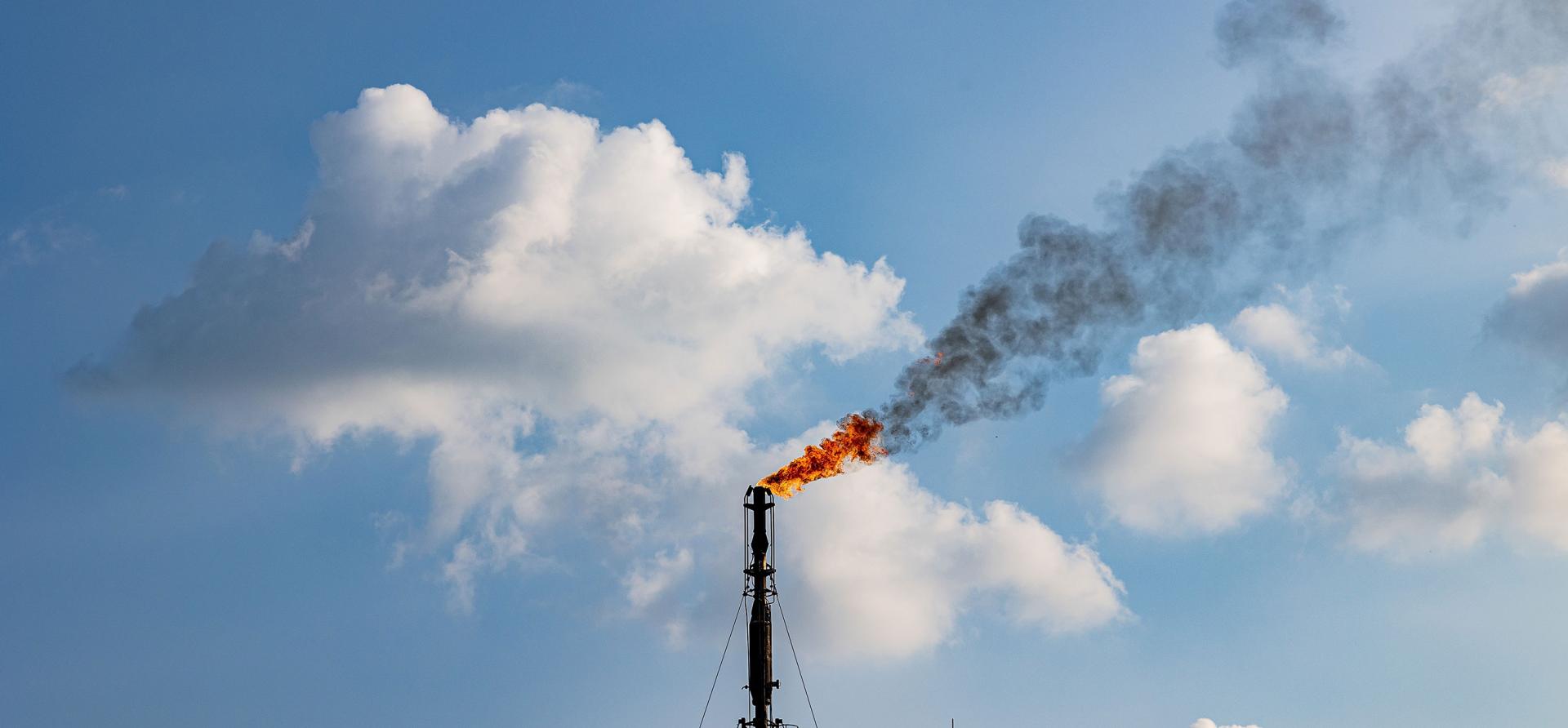
Fugitive methane emissions from coal mining and oil and gas supply have likely been grossly underestimated to date – by about 80% for coal and 90% for oil and gas
Correcting this under-reporting means large industrial facilities would have to double their rate of decarbonisation and halve their emissions by 2030
We need urgent action to improve methane emissions monitoring and reduction, to ensure Australia’s industry and households do not pay for the gross under-reporting of emissions by the coal, oil and gas industries.
Internet freedom remained restricted in Vietnam, as the government enforced stringent controls over the country’s online environment. Though the government did not disrupt connectivity or throttle Facebook servers as it had done previously, the state continued mandating that companies remove content and imposed draconian criminal sentences for online expression. A COVID-19 surge in late 2021 propelled government surveillance, and authorities have also sought to expand control over content on social media platforms.
Vietnam is a one-party state, dominated for decades by the ruling Communist Party of Vietnam (CPV). Although some independent candidates are technically allowed to run in legislative elections, most are banned in practice. Freedom of expression, religious freedom, and civil society activism are tightly restricted. Judicial independence is absent.
Key Developments, June 1, 2021 – May 31, 2022
Government officials ordered international social media companies to remove thousands of pieces of content, particularly targeting criticism of the authorities (see B2).
New regulations tightened content restrictions on websites that host advertisements and increased administrative fines on companies found to be hosting online speech that authorities deem illegal (see B3, B6, and C2).
Authorities imposed prison sentences on human rights defenders and everyday internet users for their online activities, including a ten-year sentence issued to activist Trịnh Bá Phương (see C3).
The expansion of government-run COVID-19 apps and the creation of a central database for new identification cards have raised privacy concerns (see C5).
A Obstacles to Access
A1 0-6 pts
Do infrastructural limitations restrict access to the internet or the speed and quality of internet connections?
4 6
The internet penetration rate was 71 percent by the end of 2021, according to data from the Ministry of Infomation and Communications (MIC).1 Mobile broadband has played a significant role in increasing access to faster internet service. As of May 2022, the median mobile download speed stood at 35.29 megabits per second (Mbps) while the upload speed stood at 16.89 Mbps according to Ookla’s Speedtest Global Index. The median fixed broadband download speed was 71.79 Mbps and upload speed was 67.20 Mbps.2 Market data aggregator Statista estimated smartphone penetration at 61.37 percent as of May 2021.3 Fixed broadband remains a relatively small market segment.
As of December 2021, 4G signal covered 99.8 percent of Vietnam’s territory, while 5G had been tested in 16 provinces, according to the MIC.4
Disruptions to international internet cables took place repeatedly during the coverage period when the country was in full or partial lockdowns due to COVID-19 outbreaks.5 In February 2022, three undersea cables—the Intra-Asia, Asia-America Gateway, and Asia-Pacific Gateway cables—were disrupted at the same time, seriously affecting internet users nationwide.6 The cables are pivotal for connectivity to the international internet.
A2 0-3 pts
Is access to the internet prohibitively expensive or beyond the reach of certain segments of the population for geographical, social, or other reasons?
It understands the value of education and manages its teachers well
They’re on the ball image: alamy
Jun 29th 2023 | SINGAPORE
Ho chi minh, the founding father of Vietnam, was clear about the route to development. “For the sake of ten years’ benefit, we must plant trees. For the sake of a hundred years’ benefit, we must cultivate the people,” was a bromide he liked to trot out. Yet despite years of rapid economic growth, the country’s gdp per person is still only $3,760, lower than in its regional peers, Malaysia and Thailand, and barely enough to make the average Vietnamese feel well-nurtured. Still, Ho Chi Minh was alluding to a Chinese proverb extolling the benefits of education, and on that front Vietnam’s people can have few complaints.
Their children go through one of the best schooling systems in the world, a status reflected in outstanding performances in international assessments of reading, maths and science. The latest data from the World Bank show that, on aggregate learning scores, Vietnamese students outperform not only their counterparts in Malaysia and Thailand but also those in Britain and Canada, countries more than six times richer. Even in Vietnam itself, student scores do not exhibit the scale of inequality so common elsewhere between the genders and different regions.
A child’s propensity to learn is the result of several factors—many of which begin at home with parents and the environment they grow up in. But that is not enough to explain Vietnam’s stellar performance. Its distinctive secret lies in the classroom: its children learn more at school, especially in the early years.
In a study in 2020, Abhijeet Singh of the Stockholm School of Economics gauged the greater productivity of Vietnam’s schools by examining data from identical tests taken by students in Ethiopia, India, Peru and Vietnam. He showed that between the ages of five and eight Vietnamese children race ahead. One more year of education in Vietnam increases the probability that a child can solve a simple multiplication problem by 21 percentage points; in India the uplift is six points.
This paper examines the nature and drivers of Vietnam’s paradoxical performance in the Program for International Student Assessment (PISA) – consistently high student achievement despite being the poorest of all participating countries and a centralized education system. The authors first document ‘Vietnam advantage’ in a wide-range of supply and demand-related indicators such as school participation rate, educational inequality, inputs and expenditure in cross-country regression models. They then estimate an augmented educational production function to show that these supply and demand-side advantages don’t explain away Vietnam’s positive deviance in PISA when compared to other participating developing and developed countries. The authors then conduct student-level analysis to examine Vietnam’s performance in PISA 2012 in a regional context, vis-a-vis three high-spending but low-performing ASEAN member countries (Malaysia, Indonesia and Thailand) and two high performing Asian countries (South Korea and Singapore). Pooled regression estimates show that, holding differences in various indices of socioeconomic background, the gap in average student test scores between Vietnam and South Korea in Reading and Science becomes statistically insignificant. Moreover, once school-specific differences are also accounted for, Vietnamese students do just as well as Singaporean across all subjects – equalizing for existing socioeconomic differences between countries would give Vietnam an even better advantage in the PISA. A similar gain in PISA scores is absent in the case of Malaysia, Indonesia and Thailand. The paper concludes by offering a cultural explanation for the significant variation in educational performance among high-spending East Asian countries.
Nickel is an essential component of electric-vehicle batteries and Indonesia is by far the world’s largest producer. A rare visit to one of its biggest nickel plants reveals the heavy environmental cost of mining and processing the metal. Photo: Ulet Ifansasti
Across the Indonesian archipelago, new industrial plants are going up to process chunks of nickel ore for use in electric-car batteries. Five years ago, there were none.
What changed? Chinese companies had a breakthrough.
A Kashmiri man cools off at a stream on a hot summer day on the outskirts of Srinagar, Indian controlled Kashmir, Tuesday, July 4, 2023. The entire planet sweltered for the two unofficial hottest days in human recordkeeping Monday and Tuesday, according to University of Maine scientists at the Climate Reanalyzer project. The unofficial heat records come after months of unusually hot conditions due to climate change and a strong El Nino event. (AP Photo/Mukhtar Khan)
Published May 2023 in Comparative Connections · Volume 25, Issue 1 (This article is extracted from Comparative Connections: A Triannual E-Journal of Bilateral Relations in the Indo-Pacific, Vol. 25, No. 1, May 2023. Preferred citation: Yu Bin, “China-Russia Relations: War and Peace for Moscow and Beijing,” Comparative Connections, Vol. 25, No. 1, pp 161-170.)
Perhaps more than any other time in their respective histories, the trajectories of China and Russia were separated by choices in national strategy. A year into Russia’s “special military operation” in Ukraine, the war bogged down into a stalemate. Meanwhile, China embarked upon a major peace offensive aimed at Europe and beyond. It was precisely during these abnormal times that the two strategic partners deepened and broadened relations as top Chinese leaders traveled to Moscow in the first few months of the year (China’s top diplomat Wang Yi, President Xi Jinping, and newly appointed Defense Minister Li Shangfu). Meanwhile, Beijing’s peace initiative became both promising and perilous as it reached out to warring sides and elsewhere (Europe and the Middle East). It remains to be seen how this new round of “Western civil war” (Samuel Huntington’s depiction of the 1648-1991 period in his provocative “The Clash of Civilizations?” treatise) could be lessened by a non-Western power, particularly after drone attacks on the Kremlin in early May.
Maurice StierlResearcher at the Institute for Migration Research and Intercultural Studies at Osnabrück University, Germany
Published On 17 May 202317 May 2023
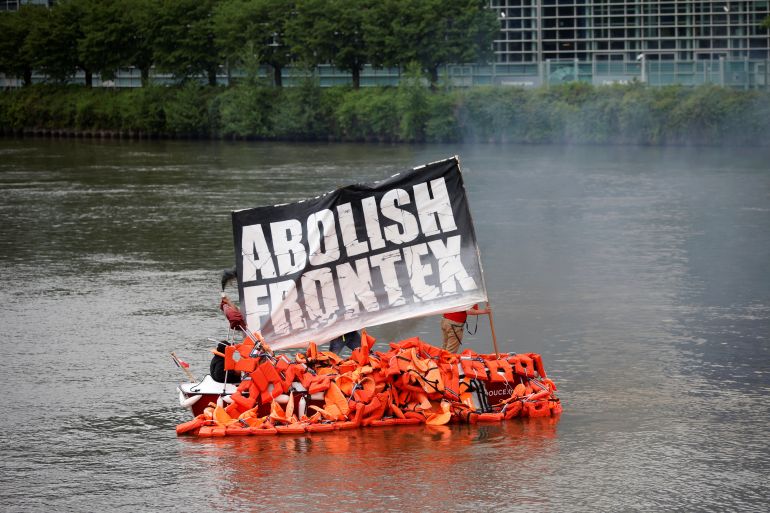
Members of German NGO migrant rescue Sea-Watch and art Kollektiv Ohne Namen sail a boat with life vests during a symbolic art action to bring attention to the plight of refugees crossing the Mediterranean Sea, on the Ill River in front of the European Parliament in Strasbourg, France, May 9, 2023. The slogan reads ‘Abolish Frontex’ [File: Johanna Geron/Reuters]
When boats with refugees are at risk of capsizing in the Mediterranean Sea, the speed of rescue operations is essential. Any delay in the emergency response can lead to serious bodily harm or the loss of life.
Still, offering a speedy response in such situations is not one of Europe’s priorities. In a study recently published in the journal Security Dialogue, I argue that time has become increasingly “weaponised” in Mediterranean migration governance.
Over the last decade, and in order to prevent arrivals, European Union authorities have sought out ways to slow down rescue engagement while accelerating interceptions to Libya.
The end of Italy’s humanitarian-military operation Mare Nostrum in 2014 marked a turning point. As a response to a devastating shipwreck on October 3, 2013 near Lampedusa, this operation sped up rescue activities off the Libyan coast, leading to the rescue of about 150,000 people. However, it was denounced by critics as a “pull-factor” that would incentivise the arrival of refugees. Mare Nostrum ended and gave way to successive European operations that experimented with delays in emergency responses.
This handout image provided by Greece’s coast guard on June 14 shows scores of people on a battered fishing boat that later capsized and sank off southern Greece, drowning hundreds of migrants.
Hellenic Coast Guard via AP
Many around the world closely followed the plight last week of five wealthy men who went missing aboard a Titanic-bound submersible. Meanwhile, researchers at the United Nations’ International Organization for Migration (IOM) updated the number of migrants who have died trying to reach Europe by sea this year: nearly 2,000.
The number of people who lose their lives each year in the crossing is staggering, and this year is on track to be worse than the last. Here are some of the reasons why this year has become so deadly:
Hundreds died aboard the Adriana
According to IOM data, at least 1,999 migrants died between January 1 and June 26 of this year, mostly from drowning. In the same period last year, 1,358 died. These tallies include those who died in the three major routes across the Mediterranean, as well as at the Atlantic route from West Africa.
One enormous tragedy accounts for a large portion of the uptick: the capsizing of the fishing boat Adriana two weeks ago in deep waters off the coast of Greece. The boat had departed Libya crammed with hundreds of people. When it capsized, it took the lives of most of the migrants on board, and IOM estimates the number who perished at 596.
Migrants from Eritrea, Libya and Sudan crowd the deck of a wooden boat as they wait to be assisted by aid workers of the Spanish NGO Open Arms, in the Mediterranean sea about 30 miles north of Libya, on June 17.
Joan Mateu Parra/AP
More people are attempting the crossing
Another factor is that the overall number of migrants attempting to cross the Mediterranean is higher than it was last year.
Sponsor Message
Italy in particular has seen a significant increase in the number of migrants arriving: more than 60,000 so far this year, compared with fewer than 27,000 at this point last year. IOM estimates that the total arrivals of migrants by sea to Mediterranean Europe are more than 82,000 this year, compared to fewer than 49,000 by this time last year.
Many of the migrant boats are aiming for the tiny Italian island of Lampedusa, which sits about halfway between Tunisia and Sicily. Two flows of migrants are now arriving at Lampedusa: those from Tunisia and those from Libya.Last week, 37 migrants went missing after their boat capsized between Tunisia and Lampedusa.
Migrants are traveling on boats not made for high seas
TTCT – Hai vụ đắm tàu cách nhau 4 ngày và vài nghìn cây số cho thấy thế giới đã trở thành một nơi đáng buồn ra sao.
Mục đích của những người tị nạn này không phải là thám hiểm biển khơi. Ảnh: Daryo.uz
Gần 3h sáng 14-6 trên Địa Trung Hải gần Hy Lạp, thủy thủ đoàn của chiếc Mayan Queen IV nhận tin có tàu gặp nạn ở gần đó, cách có 4 hải lý. Theo luật hàng hải quốc tế, và luật bất thành văn của dân đi biển, các tàu thuyền có bổn phận giúp đỡ và cưu mang nhau.
Tàu Mayan Queen IV là đại du thuyền tư nhân dài 90m và trị giá 175 triệu đô la, thuộc sở hữu một tỉ phú Mexico, có sức chứa thủy thủ đoàn 24 người và 26 khách, nhưng lúc đó chỉ có thủy thủ đoàn 4 người.
Đêm không trăng và đen như mực, nhưng trong vòng 20 phút tàu đến hiện trường. Theo thuyền trưởng Richard Kirkby thì tàu duyên phòng của Hy Lạp đang có mặt và chiếu đèn trên biển.
Ông cho hạ ghe xuống vớt nạn nhân đắm tàu đang bám vào vật nổi lềnh bềnh trên sóng, không ai có áo phao. Theo tiếng kêu yếu ớt của họ trong đêm, Mayan Queen lần dò và vớt lên 104 người Syria, Pakistan, Palestine và Ai Cập. Toàn bộ người được cứu sống là nam.
Tàu đánh cá Adriana dài khoảng 30m, chở 750 người tị nạn vượt biên từ bờ biển Libya sang Âu châu bị lật và chìm chỉ trong vòng 10-15 phút. Khoảng 100 trẻ em và phụ nữ trong hầm tàu không thoát kịp. 80 thi thể sau đó được tìm thấy, số người thiệt mạng như vậy được đoán định khoảng 650.
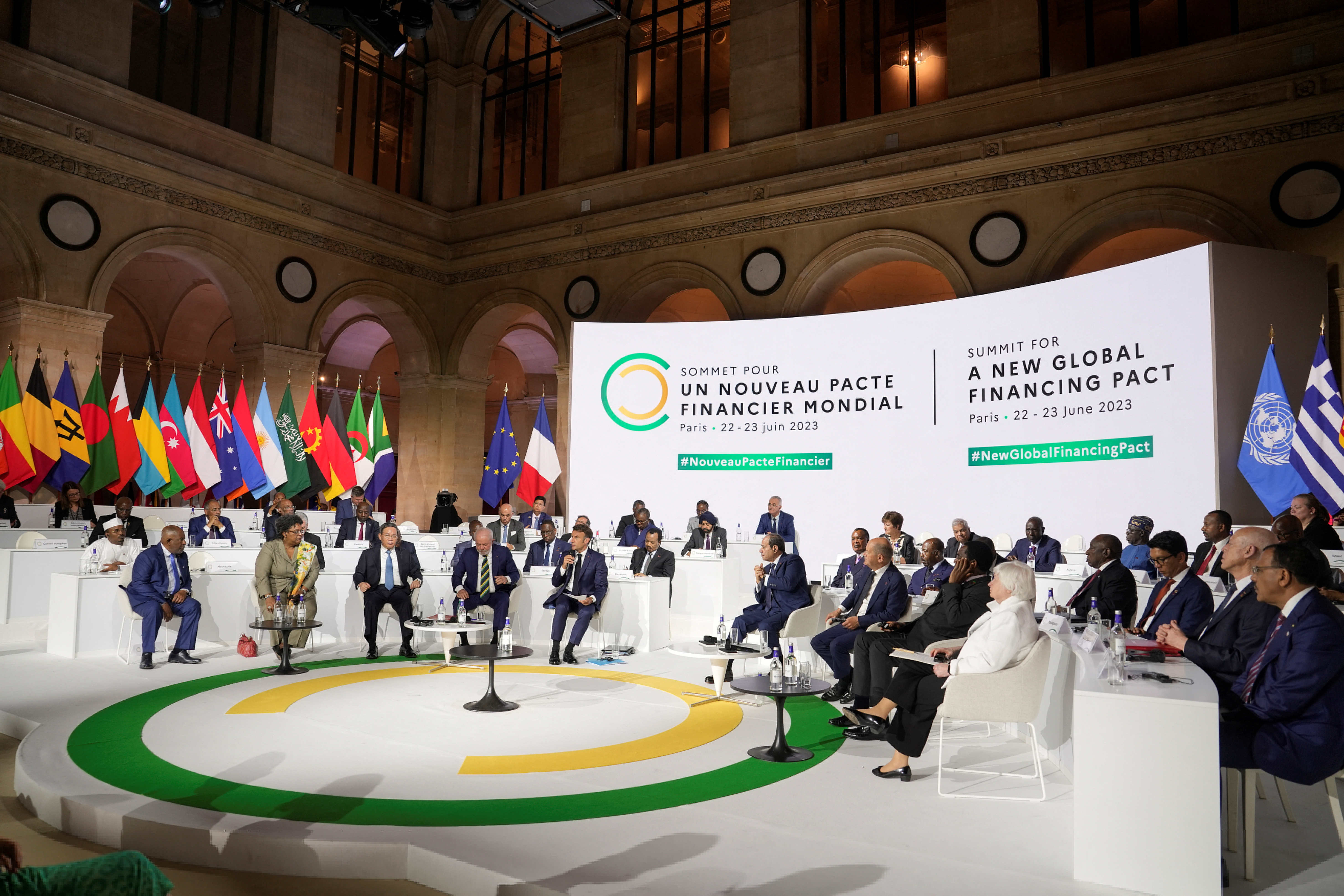
World leaders and finance bosses attend the closing session of the New Global Financial Pact Summit, Friday, June 23, 2023 in Paris, France. The aim of the two-day climate and finance summit was to set up concrete measures to help poor and developing countries whose predicaments have been worsened by the devastating effects of the COVID-19 pandemic and the war in Ukraine better tackle poverty and climate change. Lewis Joly/Pool via REUTERS
Summary
Roadmap for genuine change’ -Barbados’ Persaud
Eyes on IMO meet as shipping tax idea gathers steam
Critics say summit fell short of world’s needs
PARIS, June 23 (Reuters) – A Paris summit to discuss reforming the world’s financial system scored some notable wins that should tee up greater action before climate talks later this year, though some participants were disappointed with progress to address poorer states’ debt.
The Summit for a New Global Financing Pact saw French President Macron host around 40 leaders, many from the Global South, to debate changes to multilateral finance institutions in the face of climate change and other development challenges.
Much of the discussion centred on the key requests of developing nations, framed through the “Bridgetown Initiative” led by Barbados leader Mia Mottley, and her adviser Avinash Persaud said he was pleased with the outcome of the talks.
“It’s a roadmap for genuine change,” he told Reuters on the sidelines of the talks. “What’s emerged here is a real … understanding of the scale and pace of what is required.”
Among the highlights were confirmation that the richer world will likely hit a long-overdue target of providing $100 billion annually in climate finance to poorer countries, a long-delayed debt deal for Zambia, and a package to boost Senegal’s renewable energy capacity.
The World Bank and others also said they would start adding clauses to lending terms that allow vulnerable states to suspend debt repayments when natural disaster strikes.
Yet it was the wording of the final statement from attendees and subtle changes in the tone of discussions behind the scenes that gave hope to Persaud that even greater change was coming.
Specifically, for the first time, the document acknowledged the potential need for richer countries to provide fresh money to multilateral development institutions like the World Bank. This came alongside a plan to draw on more of their current assets, to the tune of $200 billion over 10 years.
Another first was in the explicit target for multilateral development banks to leverage “at least” $100 billion a year in private sector capital when they lend.
A reference was also made to finding “new avenues for international taxation”, as well as other Bridgetown Initiative requests including offering investors foreign exchange guarantees.
“That was widely discussed here and (there’s) lots of support behind an initiative that’s happening outside of Paris, at the International Maritime Organisation in a couple weeks time, on a levy on shipping emissions,” Persaud added.
Still, the summit was not without its critics.
“Unfortunately, the Paris Summit has not provided the breakthrough needed to find the funding for our planet’s survival,” Teresa Anderson, Global Lead on Climate Justice for ActionAid International, said, pointing to new funding pledges being loans or temporary debt relief instead of grants.
All eyes now turn to more traditional events later in the year, including the International Monetary Fund and World Bank annual meetings, a G20 meeting in September and the COP28 climate talks in Dubai.
Persaud said his focus would be on making sure the plan to scale up multilateral development bank lending was in place by the time of annual meetings in October, and that pilot work began on reducing the cost of capital for developing countries.
The summit, held against a backdrop of criticism that the world is moving far too slowly to address climate change, was a success in that it delivered a roadmap requiring specific actions by specific dates, some observers said.
“They’ve got a clear timetable of what they want to see happen and it’s that timeline that puts the pressure on and means that it’s harder to just kick things into the long grass,” said Sonia Dunlop from think tank E3G.
Reporting by Simon Jessop, Leigh Thomas and Tommy Reggiori Wilkes, editing by Mark Heinrich
The 1% of Vietnamese households without electricity rely on decentralized, micro renewable systems for power supply. Are such innovations sustainable?
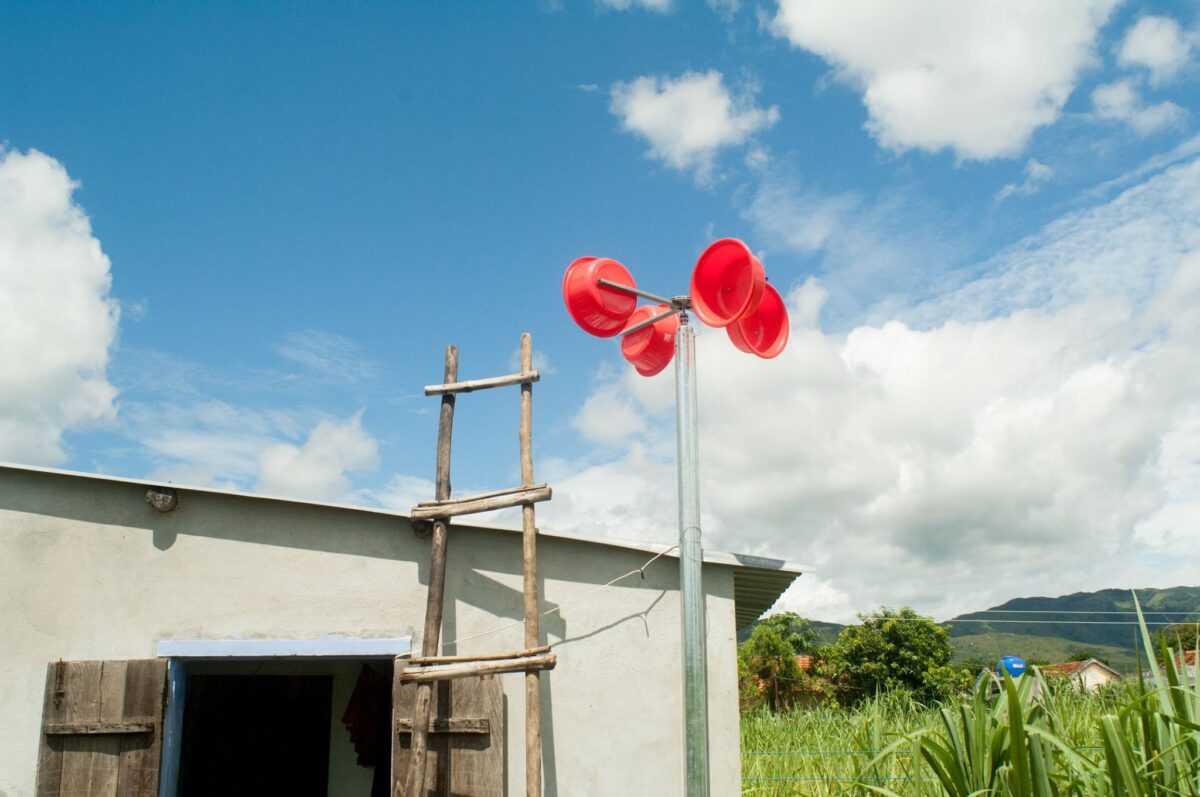
A mini wind turbine set up in the countryside of Vietnam. PHOTO: 1516 energy
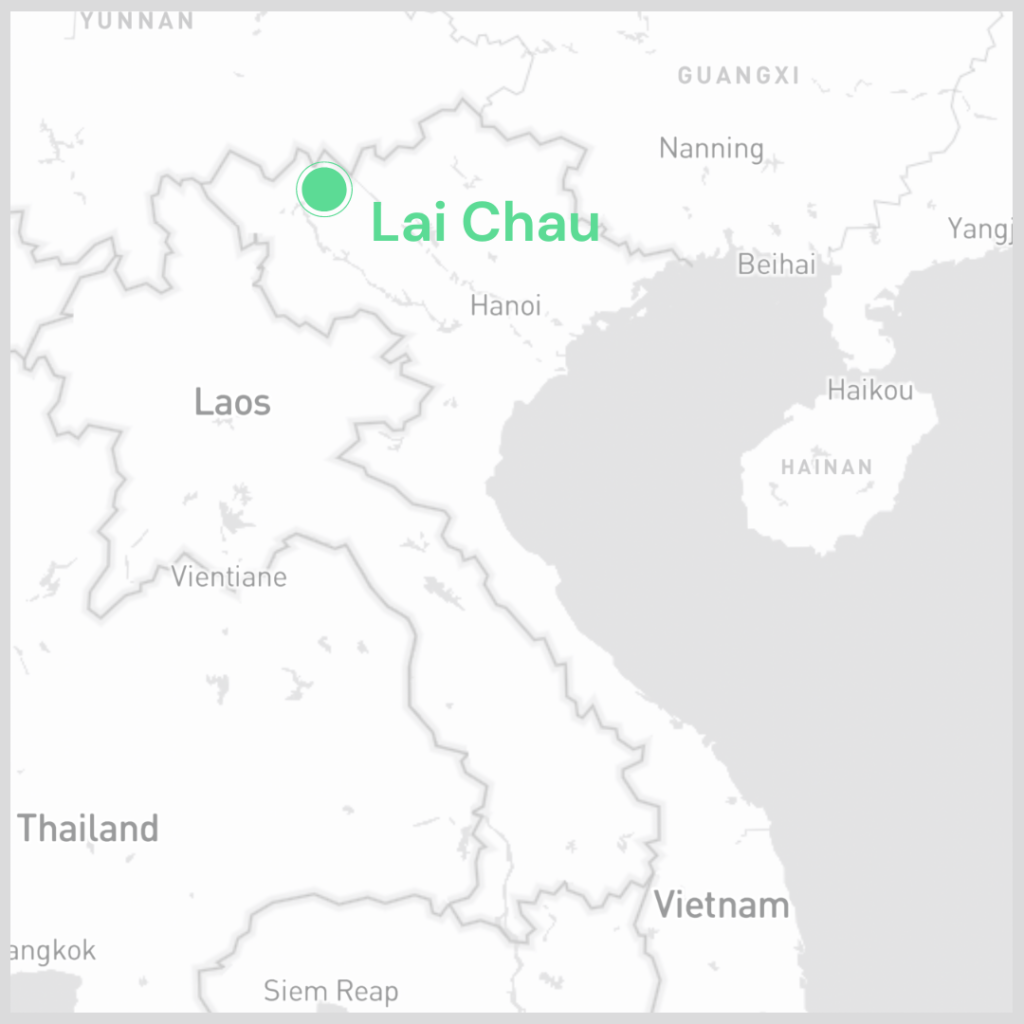
LAI CHAU, VIETNAM – In November 2019, teachers and students at the Pa U elementary boarding school in Muong Te district in Vietnam’s Lai Chau province had electricity for the first time.
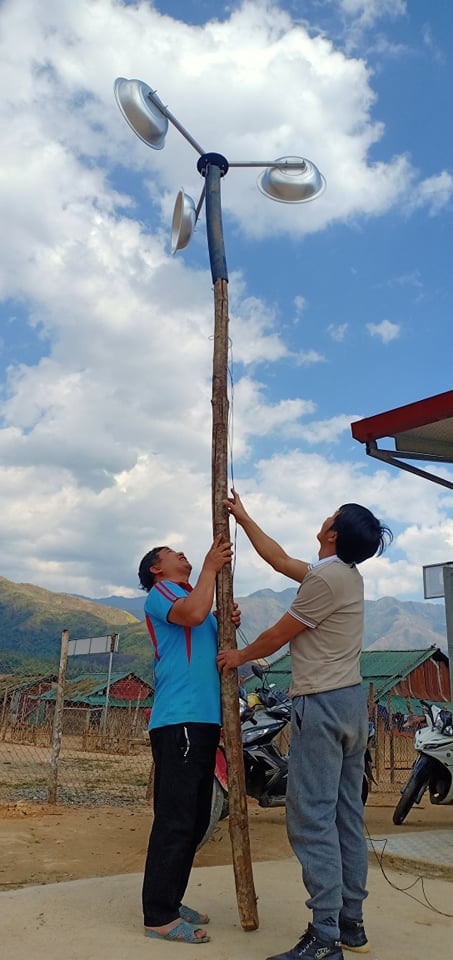
The power came from a rudimentary micro wind turbine system, which was sold and delivered to the school by a local startup named 1516 and assembled by the teachers.
The setup was simple: aluminum tubs affixed to a sturdy wooden rod, linked to a sun box that contains a charge controller, a solar battery and an inverter to generate electricity.
Source: Mapbox
“The children were so excited to see those turbines in action,” recalled teacher Bui Thi Minh Khuyen. Despite a limited output that can only sustain the school’s energy needs until 10pm, the new power supply has made a vast difference.
Pa U schoolteachers assemble a wind turbine. PHOTO: 1516 energy
Previously, the school only had light bulbs powered by cheap solar panels imported from China. Fans, radios, TVs, phones and laptops were luxuries the school could not power.






 CVD
CVD 