Researching the scale and scope of cross-border philanthropy: Global Philanthropy Tracker 

Global Philanthropy Indices

The 2023 GPT report is the 11th edition of the report. It is a continuation of the 2020 Global Philanthropy Tracker, published by the Indiana University Lilly Family School of Philanthropy, and the Index of Global Philanthropy and Remittances, initiated and conducted by the Center for Global Prosperity at the Hudson Institute. First published in 2006, the report provides comprehensive information on international philanthropy from developed and emerging economies to developing countries for development purposes. It documents the magnitude of cross-border financial flows from public and private sources. The report was among the first comprehensive research endeavors to present a more complete picture of the total economic engagement with developing countries through official development assistance, philanthropic giving, remittances, and private capital investment.

Starting from the 2020 GPT, the report introduces a more inclusive approach and expands the scope of the philanthropic outflows to include contributions made to all countries in support of all charitable causes, when data are available. It captures charitable contributions from private sources, including individuals, corporations, foundations, and a wide range of other philanthropic organizations. This series of reports provides unique baseline data on cross-border philanthropy for future research and serves as a useful tool for practitioners and policy makers in philanthropy and international development.

Trends & Themes

What is Covered in the 2023 Global Philanthropy Tracker (GPT)?

Tiếp tục đọc “Researching the scale and scope of cross-border philanthropy: Global Philanthropy Tracker “

What Is Philanthropy? Examples, History, Benefits, and Types

investopia.com

“The word philanthropy traces its origins to the Latin word philanthropia and the Greek word philanthrōpia, which mean love or kindness to mankind.”

What Is Philanthropy?

Philanthropy involves charitable giving to worthy causes on a large scale, but it is much more than just a charitable donation. Philanthropy is an effort an individual or organization undertakes based on an altruistic desire to improve human welfare, and wealthy individuals sometimes establish private foundations to facilitate their philanthropic efforts.

Nonprofits are organizations set up to support a variety of social causes, such as educational, health, scientific, public safety, and human rights. In the United States, organizations that qualify as nonprofits are exempt from federal tax liability under the Internal Revenue Code (IRC) 501(c).1

KEY TAKEAWAYS

  • Philanthropy refers to charitable acts or other good works that help others or society as a whole.
  • Philanthropy can include donating money to a worthy cause or volunteering time, effort, or other forms of altruism.
  • Increased transparency is a serious matter for many nonprofits, and how funds are obtained and used should be carefully documented. Technology, including social media, has also shaped how many individuals give to others.
  • Andrew Carnegie is one of America’s most famous philanthropists, noted for the large scale of his charitable contributions, which included building more than 2,500 libraries worldwide.
  • In modern times, philanthropy is often undertaken by those seeking tax breaks, in addition to feeling good and helping others.

Understanding Philanthropy

Philanthropy refers to charitable acts or other good works like volunteering your time or efforts that help others or contribute to the well-being of society overall. For some people, philanthropy means donations of money, often large sums, to support or create university buildings, research centers, or fund four-year college scholarships. For others, acts of philanthropy mean an annual donation to a local theater, food pantry, or public school.

There are many ways to make charitable contributions on a local to a global scale, including corporate philanthropy. There are also individual philanthropists. Philanthropy may be done for tax breaks or altruism, or a combination of the two things. Anyone can be a philanthropist if they give of their talent, time, money, or skills.

https://7e884c93693e8a067746be4fd7a239b2.safeframe.googlesyndication.com/safeframe/1-0-40/html/container.html

Tiếp tục đọc “What Is Philanthropy? Examples, History, Benefits, and Types”

Viện Nghiên cứu Dầu và Cây có dầu thúc đẩy phát triển ngành dầu thực vật Việt Nam

ioop.org.vn

Nghiên cứu công nghiệp chế biến dầu và cây có dầu, phục vụ sản xuất và phát triển ngành nông nghiệp và công nghiệp của đất nước, góp phần thực hiện hiệu quả chính sách phát triển ngành Công Thương là nhiệm vụ của Viện Nghiên cứu Dầu và Cây có dầu. 

Viện Nghiên cứu Dầu và Cây có dầu hiện là đơn vị sự nghiệp KHCN có 04 bộ môn nghiên cứu về Nông sinh học và Công nghệ chế biến gồm; 01 Trung tâm Phân tích và Kiểm định; 01 Trung tâm Tư vấn Đầu tư, Chuyển giao Công nghệ và Môi trường; 02 Trung tâm sản xuất thực nghiệm tại Bến Tre và Tây Ninh; 01 Trạm Thực nghiệm. Viện có chức năng nghiên cứu, tư vấn, thiết kế; chuyển giao công nghệ; sản xuất kinh doanh giống cây có dầu và các sản phẩm công nghệ chế biến dầu, tinh dầu; phục vụ sản xuất và phát triển ngành nông nghiệp và công nghiệp của đất nước.

Đẩy mạnh nghiên cứu công nghệ chế biến dầu thực vật, tinh dầu

Ngành dầu thực vật có liên quan chặt chẽ với nhiều lĩnh vực khoa học như sinh học, nông nghiệp, hóa học chất béo và công nghệ chế biến. Một trong những vấn đề của ngành dầu thực vật Việt Nam là vùng nguyên liệu, trong đó chủ yếu liên quan đến vấn đề giống, vì vậy nghiên cứu đa dạng hóa về các giống cây có dầu là một trong những thế mạnh của Viện. Hiện nay, Viện đang được nhà nước giao thực hiện nhiệm vụ thường xuyên thu thập, bảo tồn và lưu giữ nguồn gen, bao gồm 51 giống dừa, 179 giống lạc, 93 mẫu giống vừng, 111 mẫu giống đậu tương, trong đó có nhiều giống nổi bật với các đặc tính quý hiếm như năng suất, hàm lượng dầu cao, chống chịu sâu bệnh và thích nghi với các điều kiện biến đổi khí hậu, nhiễm mặn cao, khô hạn, gió bão,…

Tiếp tục đọc “Viện Nghiên cứu Dầu và Cây có dầu thúc đẩy phát triển ngành dầu thực vật Việt Nam”

Risk, rewards and remittances in Vietnam’s Nghe An province

Hoang Thi Ai holds up her phone showing a photo of her son Hoang Van Tiep, who she fears is one of the possible victims in the truck deaths in England, at her home in Dien Chau district, Nghe An province, Vietnam on Monday, Oct. 28, 2019. Families in central Vietnam continue to cling on hope for the fates of their loved ones, who might be among the dead in a truck in southern England. (AP Photo/Hau Dinh)
Hoang Thi Ai holds up her phone showing a photo of her son, Hoang Van Tiep, who she later discovered was among the 39 people who were found dead in a truck container in Essex, the UK, in 2019 [File: Hau Dinh/AP Photo]

By Sen Nguyen

Published On 20 Jul 202320 Jul 2023

In late October 2019, ambulance crews in the United Kingdom were called to a scene of horror.

On a quiet road in a nondescript industrial park in Essex, the bodies of 39 people were found when the heavy steel doors of a refrigerated truck trailer were opened.

The victims had suffocated. Death came slowly as oxygen levels inside the airtight container depleted for the 28 men, eight women and three children as their attempt to be smuggled into the UK ended tragically.

The youngest were two 15-year-olds. All were from Vietnam and the majority were from one province – Nghe An.

“I’m sorry Dad and Mum,” 26-year-old Pham Thi Tra My tapped out in a final text message she composed for her parents.

Tiếp tục đọc “Risk, rewards and remittances in Vietnam’s Nghe An province”

Without much offense, Vietnam plays tough against US in Women’s World Cup debut

APnews.com

United States' Sophia Smith (11) and Vietnam's goalkeeper Thi Kim Thanh Tran (14) shake hands after the Women's World Cup Group E soccer match between the United States and Vietnam at Eden Park in Auckland, New Zealand, Saturday, July 22, 2023. (AP Photo/Abbie Parr)

1 of 3 | United States’ Sophia Smith (11) and Vietnam’s goalkeeper Thi Kim Thanh Tran (14) shake hands after the Women’s World Cup Group E soccer match between the United States and Vietnam at Eden Park in Auckland, New Zealand, Saturday, July 22, 2023. (AP Photo/Abbie Parr)

Vietnam's goalkeeper Thi Kim Thanh Tran blocks a penalty shot by United States' Alex Morgan during the Women's World Cup Group E soccer match between the United States and Vietnam in Auckland, New Zealand, Saturday, July 22, 2023. (AP Photo/Rafaela Pontes)

2 of 3 | Vietnam’s goalkeeper Thi Kim Thanh Tran blocks a penalty shot by United States’ Alex Morgan during the Women’s World Cup Group E soccer match between the United States and Vietnam in Auckland, New Zealand, Saturday, July 22, 2023. (AP Photo/Rafaela Pontes)

Vietnam's goalkeeper Thi Kim Thanh Tran (14) punches the ball away from United States' Alex Morgan (13) during the Women's World Cup Group E soccer match between the United States and Vietnam at Eden Park in Auckland, New Zealand, Saturday, July 22, 2023. (AP Photo/Abbie Parr)

3 of 3 |  Vietnam’s goalkeeper Thi Kim Thanh Tran (14) punches the ball away from United States’ Alex Morgan (13) during the Women’s World Cup Group E soccer match between the United States and Vietnam at Eden Park in Auckland, New Zealand, Saturday, July 22, 2023. (AP Photo/Abbie Parr)

BY ZACH ALLENPublished 12:50 PM GMT+7, July 22, 2023Share

Tiếp tục đọc “Without much offense, Vietnam plays tough against US in Women’s World Cup debut”

Hơn 300.000 tài khoản đăng kí sử dụng, nhiều quận tại TP.HCM sắp có xe đạp công cộng

danviet.vn Thứ hai, ngày 13/03/2023 16:39 PM (GMT+7)

Sau hơn một năm thí điểm ở trung tâm quận 1 (TP.HCM), xe đạp công cộng đã thu hút hơn 300.000 tài khoản đăng ký sử dụng. Mô hình này nhận nhiều phản hồi tích cực và mong muốn nhân rộng từ người dân.

Hơn 300.000 tài khoản đăng kí sử dụng, nhiều quận tại TP.HCM sắp có xe đạp công cộng

Hơn 300.000 tài khoản đã đăng kí, TP.HCM dự kiến mở rộng mô hình xe đạp công cộng trong năm 2023

Xe đạp công cộng thu hút người dân TP.HCM

Thời gian qua, nhiều người dân đi lại khu vực trung tâm TP.HCM đã quen thuộc với hình ảnh dãy xe đạp cộng cộng được bố trí trên vỉa hè nhiều tuyến đường, có màu xanh đẹp mắt. Để sử dụng xe đạp, người dân chỉ cần tải ứng dụng, quét mã code mở khóa.

Chị Võ Thị Mai Hoa (28 tuổi, nhân viên văn phòng, ngụ Bình Thạnh), cho biết là công việc văn phòng, làm việc với máy tính nên chị ít có thời gian vận động. Bởi vậy, dịp cuối tuần chị Hoa thường vào quận 1 để cà phê với bạn bè sẽ thỉnh thoảng lại ghé thuê xe. Đây là hình thức vừa tập thể dục, vừa có thể ngắm phố phường, giúp thư thái đầu óc sau thời gian làm việc căng thẳng.

Tiếp tục đọc “Hơn 300.000 tài khoản đăng kí sử dụng, nhiều quận tại TP.HCM sắp có xe đạp công cộng”

Three Myths About Renewable Energy and the Grid, Debunked

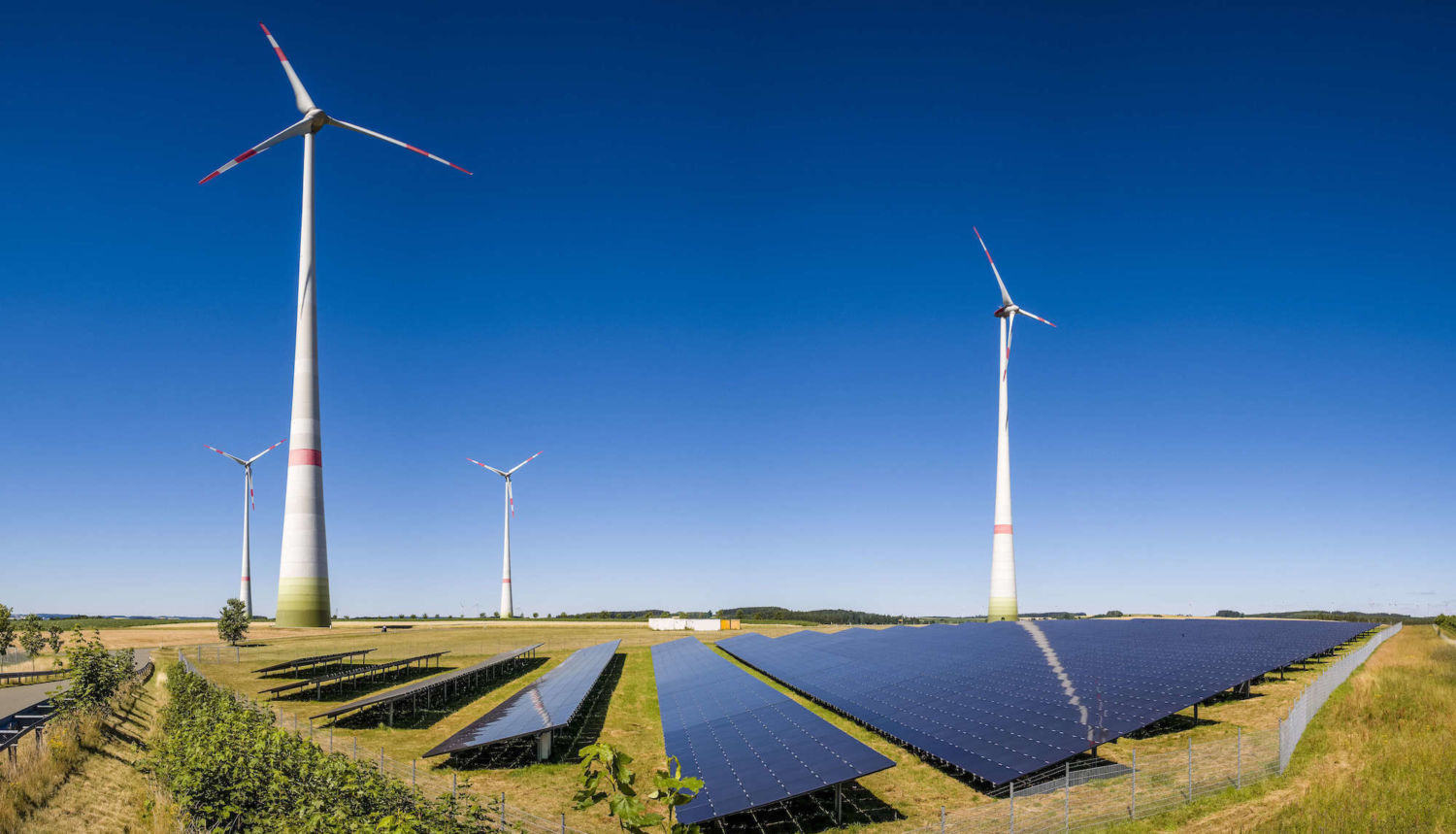
Wind turbines and solar panels in Bavaria, Germany.
Wind turbines and solar panels in Bavaria, Germany. FRANK BIENEWALD / LIGHTROCKET VIA GETTY IMAGES

Yale Envrronment360

Renewable energy skeptics argue that because of their variability, wind and solar cannot be the foundation of a dependable electricity grid. But the expansion of renewables and new methods of energy management and storage can lead to a grid that is reliable and clean.

BY AMORY B. LOVINS AND M. V. RAMANA • DECEMBER 9, 2023

As wind and solar power have become dramatically cheaper, and their share of electricity generation grows, skeptics of these technologies are propagating several myths about renewable energy and the electrical grid. The myths boil down to this: Relying on renewable sources of energy will make the electricity supply undependable.

Tiếp tục đọc “Three Myths About Renewable Energy and the Grid, Debunked”

Behind the Scenes, in the Forefront: Vietnamese Women in War and Peace

asiannetworkexchange.org

Lady Borton (The Gioi (World) Publishers)  Issue Volume 25 • Issue 1 • 2018 • Volume 25

This essay explores contributions to Vietnamese history by Việt Nam’s first historical generals (who were women) as well as by women from the Vietnamese Communist Party’s early years through the French-American War (1945–1954) and the American War (1954‒1975). It discusses how women used Confucian subservience, gender-determined dress, and traditional roles to supply local soldiers, gather intelligence, and resist the French and American armies. I provide information, documents, and photographs gathered by completing annotated book translations and by engaging in conversations and interviews conducted in Vietnamese over the course of nearly fifty years, including accounts from both famous and ordinary Vietnamese women. Their stories are unique yet representative of the experiences of many wartime participants.

Vietnamese Women in War and Peace

When we think about the French-American War (1945‒1954) and the American War in Việt Nam (which Americans often call the Vietnam War, 1954‒1975), we should address a seldom-spoken truth: Since the Vietnamese fought a people’s war (toàn dân—all the people), demographics suggest that half of those fighting against the American-allied front were women. The story of these women begins in the first century C.E. with another seldom-spoken truth: The first Vietnamese historical (as opposed to legendary) personages were women.

Rooted in Ancient Matriarchy

From time immemorial, Việt Nam was a matriarchy with a well-established religion of mother goddesses, whom many Vietnamese still worship today (See Illus. #1Hữu Ngọc 2016, 2017, 76–79). Matriarchy spawned Việt Nam’s first historical generals, the Trưng sisters— Trưng Trắc and Trưng Nhị (both ?–43 C.E.)—from an outlying district of modern-day Hà Nội. The Hán Chinese had occupied Việt Nam since 111 B.C.E. In 40 C.E., the sisters led a rebellion to avenge the death of Trưng Trắc’s husband, whom the Vietnamese annals say Chinese pro-consul Su Ting had assassinated. The sisters, their mother, and their women generals (whose names are known, affirming the sisters’ presence as historical characters) liberated Việt Nam from the Chinese. Before doing so, Trưng Trắc began Việt Nam’s tradition of generals writing poetry to galvanize their troops. Her “Oath at Hát River” in six-eight rhythm—a six-word line followed by an eight-word line—emphasizes the legendary Vietnamese Hùng Dynasty, which began in about 2870 B.C.E.:First pledge: Wash away the enemy Second pledge: Rebuild the Hùng Family’s ancient karma Third: Avenge injustices against my husband Fourth pledge: Execute this oath beginning to end (Borton 2007, 1).

Illus. #1

Illus. #1

A Vietnamese mother goddess in a drawing collected by the French soldier Henri Oger, who published more than 4,000 drawings of traditional Vietnamese life depicted by Vietnamese artists. Scholar Olivier Tessier of École française d’Extrême-Orient (ÉFEO) oversaw the Oger Collection’s centennial publication in 2009. Source: Olivier Tessier, ÉFEO.

Tiếp tục đọc “Behind the Scenes, in the Forefront: Vietnamese Women in War and Peace”

Vietnam’s big bet on LNG may not ease its power crisis

Reuters.com

By Francesco GuarascioEmily Chow and Khanh Vu July 17, 2023

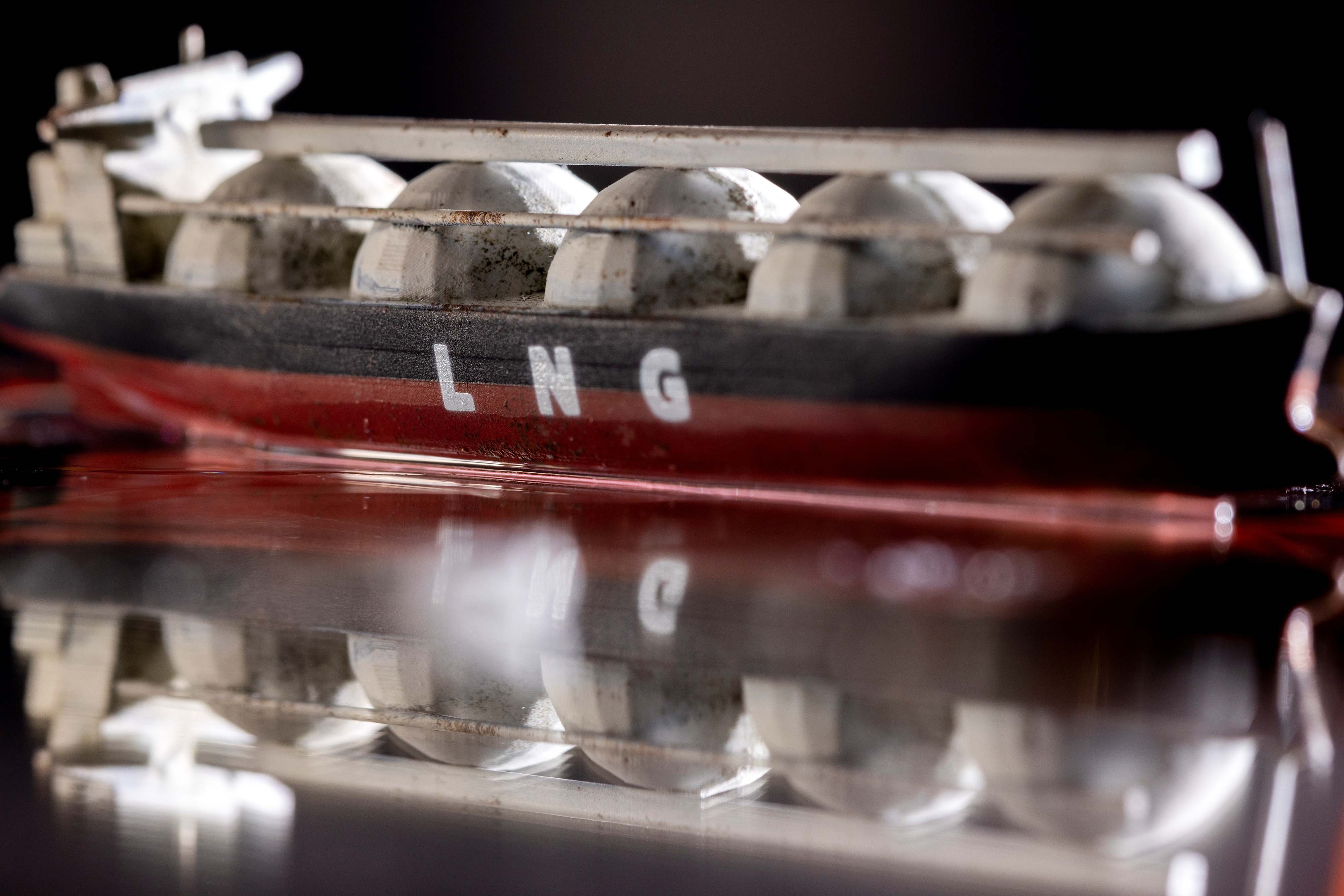
Illustration shows a model of LNG tanker

Model of LNG tanker is seen in this illustration taken May 19, 2022. REUTERS/Dado Ruvic/Illustration/File Photo

  • Electricity-hungry Vietnam looks to become LNG importer
  • First plant fuelled from imported gas unlikely pre-2026
  • Investors, Hanoi at odds over volumes, price of power sales
  • Bold plans exposed to volatile LNG prices as demand grows

HANOI, July 17 (Reuters) – Vietnam received its first shipment of liquefied natural gas this month, a milestone for the energy-hungry country, but various hurdles mean it could take years for imported gas to ease the country’s long-running power shortages.

Disagreement over pricing, plant construction delays and lack of supply contracts are dogging the Southeast Asian manufacturing hub’s adoption of LNG, hampering its ambitions to make imported gas a major fuel, industry insiders say.

Vietnam’s urgent need to boost electricity supply, laid bare by recent rolling blackouts, has raised concerns among foreign investors about whether Vietnam can remain a reliable option to diversify manufacturing away from China.

Half the businesses in a June poll by the European Chamber of Commerce in Vietnam said the power crisis had hurt investment plans. Some were considering alternatives or pausing spending on factories.

Reuters Graphics

Reuters Graphics

Tiếp tục đọc “Vietnam’s big bet on LNG may not ease its power crisis”

Deep-sea mining for minerals: What is the issue?

IUCN.org

What is the issue?
Why is this important?
What can be done?
More information

  • Deep-sea mining is the process of retrieving mineral deposits from the deep seabed – the ocean below 200m.
  • Depleting terrestrial deposits and rising demand for metals mean deep-sea mining may begin soon, even thoughresearch suggests that it could destroy habitats and wipe out species.
  • Deep-sea mining should be halted until the criteria specified by IUCN are met, including the introduction of assessments, effective regulation and mitigation strategies.
  • Comprehensive studies are neededto improve our understanding of deep-sea ecosystems and the vital services they provide to people, such as food and carbon sequestration.

What is the issue?

Deep-sea mining is the process of extracting and often excavating mineral deposits from the deep seabed. The deep seabed is the seabed at ocean depths greater than 200m, and covers about two-thirds of the total seafloor. Research suggests deep-sea mining could severely harm marine biodiversity and ecosystems, but we still lack the knowledge and means to implement protections.

Despite this, there is growing interest in the mineral deposits of the seabed. This is said to be due to depleting terrestrial deposits of metals such as copper, nickel, aluminium, manganese, zinc, lithium and cobalt. Demand for these metals is also increasing to produce technologies like smartphones, wind turbines, solar panels and batteries.

featured image

ISA, 2021

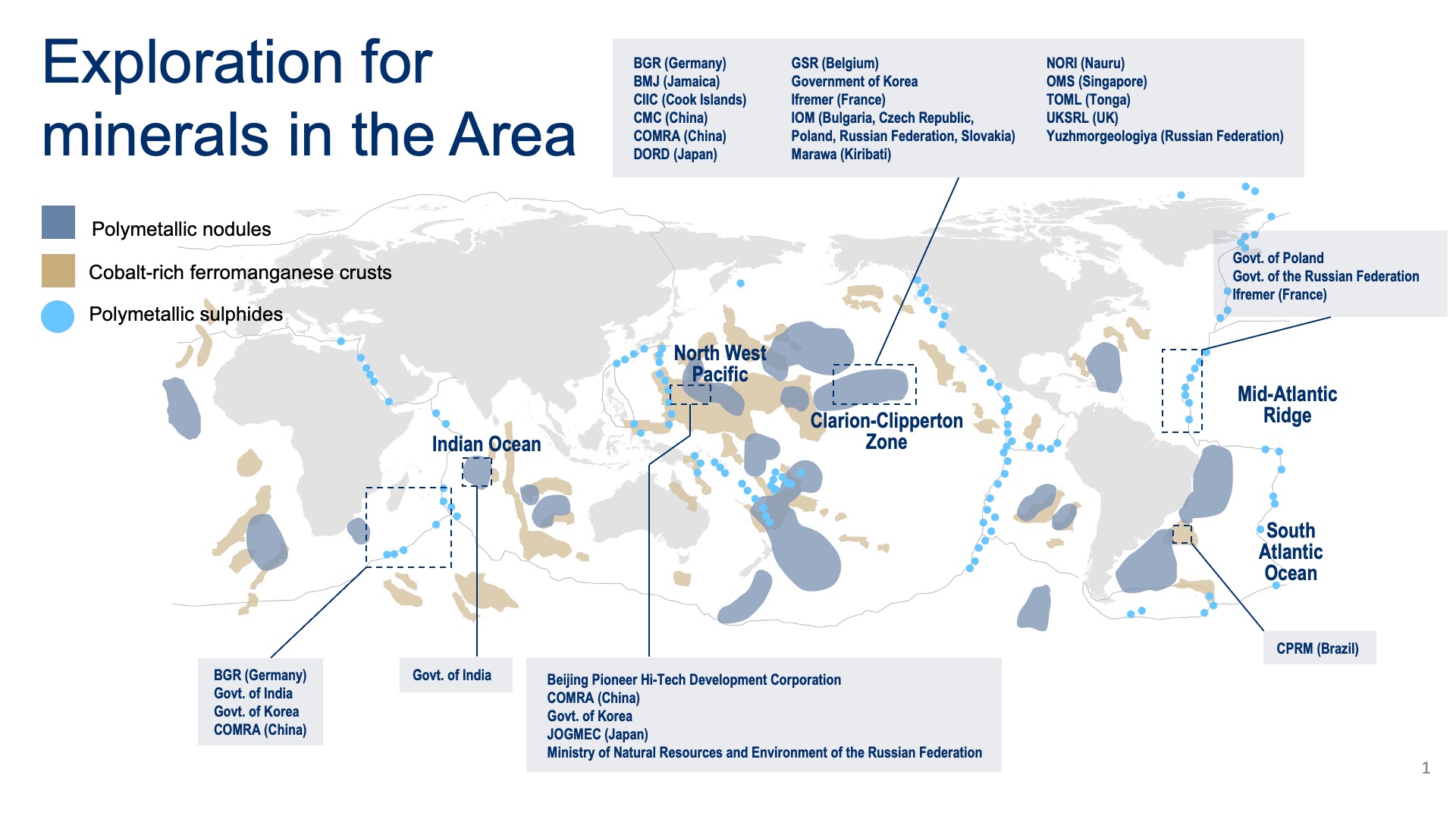
By May 2022, the International Seabed Authority (ISA), which regulates activities in the seabed beyond national jurisdiction (‘the Area’), had issued 31 contracts to explore deep-sea mineral deposits. More than 1.5 million km2 of international seabed, roughly the size of Mongolia, has been set aside for mineral exploration.

Tiếp tục đọc “Deep-sea mining for minerals: What is the issue?”

The Latest on Southeast Asia (July 20, 2023)

CSIS

Indonesia, this year’s Association of Southeast Asian Nations (ASEAN) chair, held a flurry of ministerial meetings earlier this month. From July 11-12, it hosted the ASEAN Foreign Ministers’ Meeting in Jakarta. Timor Leste, which became an ASEAN observer state last year, sent a delegation for the first time. Chief among the ministers’ conversation topics was the ongoing civil war in Myanmar; moreover, ministers shared their continued concerns regarding aggressive Chinese behavior in the South China Sea. On July 13, ASEAN foreign ministers, joined by their counterparts from Japan, China, and South Korea, met for the 24th ASEAN Plus Three Foreign Ministers’ meeting. Lastly, Indonesia hosted the ASEAN Regional Forum on July 14, setting the stage for ASEAN partners such as the United States, Russia, and China, to meet on the sidelines.

Tiếp tục đọc “The Latest on Southeast Asia (July 20, 2023)”

Solar panels on water canals seem like a no-brainer. So why aren’t they widespread?

This artist’s rendering provided by Solar AquaGrid, shows a wide-span solar canal canopy being piloted in California’s Central Valley. Solar AquaGrid is preparing to break ground in the fall of 2023 on the first solar-covered-canal project in the United States. Solar panels are installed over canals in sunny, water-scarce regions where they make electricity and reduce evaporation. (Solar AquaGrid via AP)

1 of 4 | 

This artist’s rendering provided by Solar AquaGrid, shows a wide-span solar canal canopy being piloted in California’s Central Valley. Solar AquaGrid is preparing to break ground in the fall of 2023 on the first solar-covered-canal project in the United States. Solar panels are installed over canals in sunny, water-scarce regions where they make electricity and reduce evaporation. (Solar AquaGrid via AP)

FILE - Indian laborers work amid installed solar panels atop the Narmada canal at Chandrasan village, outside Ahmadabad, India, Feb. 16, 2012. The project brings water to hundreds of thousands of villages in the dry, arid regions of western India’s Gujarat state. (AP Photo/Ajit Solanki, File)

FILE – Indian laborers work amid installed solar panels atop the Narmada canal at Chandrasan village, outside Ahmadabad, India, Feb. 16, 2012. The project brings water to hundreds of thousands of villages in the dry, arid regions of western India’s Gujarat state. (AP Photo/Ajit Solanki, File)

FILE - A worker washes his hands as installed solar panels are visible atop the Narmada canal at Chandrasan village, outside of Ahmadabad, India, Feb. 16, 2012. The project brings water to hundreds of thousands of villages in the dry, arid regions of western India’s Gujarat state. (AP Photo/Ajit Solanki, File)

FILE – A worker washes his hands as installed solar panels are visible atop the Narmada canal at Chandrasan village, outside of Ahmadabad, India, Feb. 16, 2012. The project brings water to hundreds of thousands of villages in the dry, arid regions of western India’s Gujarat state. (AP Photo/Ajit Solanki, File)

BY BRITTANY PETERSON AND SIBI ARASUPublished 11:27 PM GMT+7, July 20, 2023

DENVER (AP) — Back in 2015, California’s dry earth was crunching under a fourth year of drought. Then-Governor Jerry Brown ordered an unprecedented 25% reduction in home water use. Farmers, who use the most water, volunteered too to avoid deeper, mandatory cuts.

Brown also set a goal for the state to get half its energy from renewable sources, with climate change bearing down.

Yet when Jordan Harris and Robin Raj went knocking on doors with an idea that addresses both water loss and climate pollution — installing solar panels over irrigation canals — they couldn’t get anyone to commit.

Tiếp tục đọc “Solar panels on water canals seem like a no-brainer. So why aren’t they widespread?”

A Review on Renewable Energy Transition under China’s Carbon Neutrality Target

mdpi.com

by Fuquan Zhao 1,2, Fanlong Bai 1,2, Xinglong Liu 1,2 and Zongwei Liu 1,2,*

1 State Key Laboratory of Automobile Safety and Energy, Tsinghua University, Beijing 100084, China 2Tsinghua Automobile Strategy Research Institute, Tsinghua University, Beijing 100084, China

*Author to whom correspondence should be addressed. Sustainability 202214(22), 15006; https://doi.org/10.3390/su142215006 Received: 7 October 2022 / Revised: 5 November 2022 / Accepted: 7 November 2022 / Published: 13 November 2022 (This article belongs to the Special Issue Renewable Energy and Sustainable Economy Transition)

Abstract

To achieve their carbon peak and carbon neutrality target, China’s energy transition is seen as the most important instrument. Despite the rapid growth of renewable energy in China, there are still many challenges. Based on the review of the contemporary literature, this paper seeks to present an updated depiction of renewable energy in the Chinese context. The potential, status quo, and related policy of China’s renewable energy are thoroughly investigated. The challenges facing renewable energy development under the carbon neutrality target are analyzed, including enormous transition urgency and pressure, technology, and policy issues. Then, coping strategies are proposed to guide the direction of renewable energy development. Technology paths and policy recommendations are presented. This paper contributes to technology developing and policymaking by providing a comprehensive, thorough, and reliable review of renewable energy development in China.

Keywords: 

renewableenergy transitionpolicy incentivetechnology pathpower system

1. Introduction

In recent years, climate change and energy issues have become the prominent global challenge and a major concern of China. In 2020, president Xi Jinping pledged to achieve carbon peak by 2030 and carbon neutrality by 2060 (referred to as the dual carbon target). China’s energy sector, which heavily relies on fossil energy, especially coal, is the largest contributor to China’s carbon emissions [1]. According to the International Energy Agency (IEA), China’s energy consumption accounts for nearly 90% of China’s total CO2 emissions in 2020 [2]. The carbon neutrality target poses a huge challenge to China’s energy system, causing energy transition to be the key to the overall decarbonization of China’s economy and society.

Despite aggressive energy transition goals, China still faces many challenges in the energy sector. In terms of energy supply, fossil fuel still dominates with the problem of overcapacity to be addressed [1,3,4]. The supply and consumption of renewable energy resources in China are also highly mismatched, the center of renewable energy is in the northwest, and the electricity consumption center is in the east. In terms of energy consumption, the load profile of energy is becoming increasingly complex and the regional energy distribution is becoming more diversified, which demands a higher power system flexibility [5]. Moreover, China’s economy is still growing at a considerable rate and renewable energy cannot independently meet the energy requirement of the economy’s growth. Effective incentives for promoting renewable energy consumption are yet to be formulated [6].

In facing the above difficulties during the energy transition, renewable energy is recognized as the most important instrument and has attracted more and more attention. China has rich reserves of renewable energy. In recent years, the development of renewable energy has been impressively rapid. At present, renewable energy has accounted for nearly 30% of China’s electricity generation [7,8]. China has shown a great commitment to renewable energy. The target of renewable energy generation was set to taking up more than 50% of China’s total installed power generation by the end of the 14th Five-Year Plan [9]. It is estimated that by 2060, China will invest about RMB 122 trillion to build a new power system with clean energy as the main body [10].

There are many studies on the renewable energy transition in China. They can be classified into two groups. The first group of studies focus on quantitative analysis of the development of renewable energy. For example, Zhang et al. adopted the China TIMES model to analyze the required renewable energy supply and electrification rate in achieving carbon peak. The results showed that if emissions peak in 2025, the carbon neutrality goal demands a 45–62% electrification rate and 47–78% renewable energy in primary energy supply in 2050 [11]. Another study predicted that by 2050, renewable energy would account for 60% of the total energy consumption and 90% of the total power generation and the electrification rate would be close to 60% [12]. Liu et al. studied the latest hourly wind and solar data from 2007–2014 and provided the optimal wind/solar ratio for hybrid wind-solar energy systems [13]. Wen et al. presented an approach for the quantitative analysis of energy transition. They explained whether China’s cumulative carbon emissions can match the emission allowances under the global 2 °C target and provided directions for the low-carbon transition.

Tiếp tục đọc “A Review on Renewable Energy Transition under China’s Carbon Neutrality Target”

Why 2023 will be a watershed year for climate litigation

theguardian.com

Isabella Kaminski Wed 4 Jan 2023 13.08 GMT

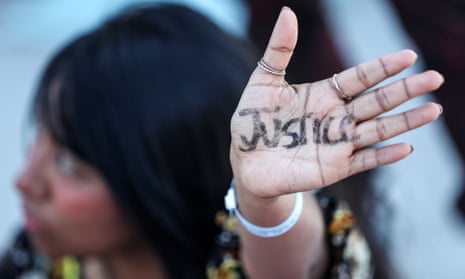
An Amazon Indigenous protester stages a demonstration calling for climate justice at Cop27 in Sharm El-Sheikh, Egypt.

An Amazon Indigenous protester stages a demonstration

  • Judgments across public and private sector expected to throw light on worst perpetrators and force action

Over the past 12 months, courts from Indonesia to Australia have made groundbreaking rulings that blocked polluting power plants and denounced the human rights violations of the climate crisis. But 2023 could be even more important, with hearings and judgments across the world poised to throw light on the worst perpetrators, give victims a voice and force recalcitrant governments and companies into action.

Although the bulk of climate lawsuits have been filed in the US, most have been thrown out of court or bogged down in procedural arguments. This year will, however, finally see a case go to trial when a group of children and young people between the ages of five and 21 square off against the state of Montana.

Over two weeks in June, they will argue that the US state is failing to protect their constitutional rights, including the right to a healthy and clean environment, by supporting an energy system driven by fossil fuels. They will also say climate breakdown is degrading vital resources such as rivers, lakes, fish and wildlife which are held in trust for the public.

“Never before has a climate change trial of this magnitude happened,” says Andrea Rodgers, senior litigation attorney with Our Children’s Trust, which is behind the case. “The court will be deciding the constitutionality of an energy policy that promotes fossil fuels, as well as a state law that allows agencies to ignore the impacts of climate change in their decision-making.”

She said the trial would be watched around the world and “is set to influence the trajectory of climate change litigation going forward”.

Other cases against US states could also be given permission to go to trial.

In Canada, a ruling is expected this year in the country’s first climate lawsuit to have had its day in court. Seven young people, fronted by now-15-year-old Sophia Mathur, made history last autumn when they challenged the Ontario government’s rollback of its 2030 greenhouse gas emissions reduction target.

And in Mexico, young people have led several important court cases challenging the slow pace of the country’s clean energy system. The supreme court is due to decide whether they are allowed to seek justice in at least one case.

Tiếp tục đọc “Why 2023 will be a watershed year for climate litigation”