Chuyến tàu định mệnh

SÁNG ÁNH – 04/07/2023 05:20 GMT+7

TTCTHai vụ đắm tàu cách nhau 4 ngày và vài nghìn cây số cho thấy thế giới đã trở thành một nơi đáng buồn ra sao.

Mục đích của những người tị nạn này không phải là thám hiểm biển khơi. Ảnh: Daryo.uz

Gần 3h sáng 14-6 trên Địa Trung Hải gần Hy Lạp, thủy thủ đoàn của chiếc Mayan Queen IV nhận tin có tàu gặp nạn ở gần đó, cách có 4 hải lý. Theo luật hàng hải quốc tế, và luật bất thành văn của dân đi biển, các tàu thuyền có bổn phận giúp đỡ và cưu mang nhau.

Tàu Mayan Queen IV là đại du thuyền tư nhân dài 90m và trị giá 175 triệu đô la, thuộc sở hữu một tỉ phú Mexico, có sức chứa thủy thủ đoàn 24 người và 26 khách, nhưng lúc đó chỉ có thủy thủ đoàn 4 người. 

Đêm không trăng và đen như mực, nhưng trong vòng 20 phút tàu đến hiện trường. Theo thuyền trưởng Richard Kirkby thì tàu duyên phòng của Hy Lạp đang có mặt và chiếu đèn trên biển. 

Ông cho hạ ghe xuống vớt nạn nhân đắm tàu đang bám vào vật nổi lềnh bềnh trên sóng, không ai có áo phao. Theo tiếng kêu yếu ớt của họ trong đêm, Mayan Queen lần dò và vớt lên 104 người Syria, Pakistan, Palestine và Ai Cập. Toàn bộ người được cứu sống là nam.

Tàu đánh cá Adriana dài khoảng 30m, chở 750 người tị nạn vượt biên từ bờ biển Libya sang Âu châu bị lật và chìm chỉ trong vòng 10-15 phút. Khoảng 100 trẻ em và phụ nữ trong hầm tàu không thoát kịp. 80 thi thể sau đó được tìm thấy, số người thiệt mạng như vậy được đoán định khoảng 650.
Tiếp tục đọc “Chuyến tàu định mệnh”

Analysis: Paris climate summit gives fresh impetus to development bank reform

reuters.com

By Simon JessopLeigh Thomas and Tommy Wilkes June 23, 20237:05 PM GMT+2Updated 11 days ago

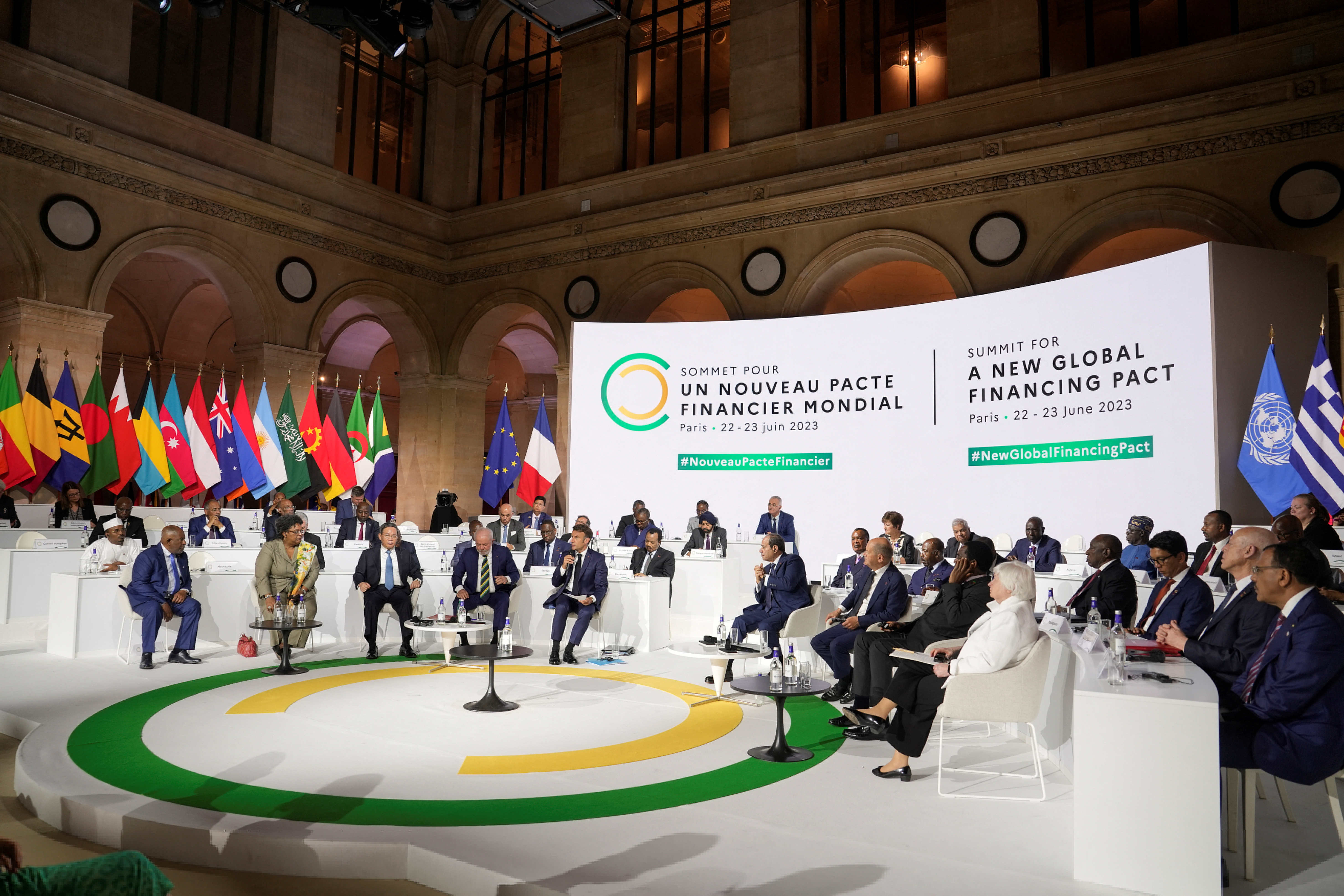
New Global Financial Pact Summit in Paris
World leaders and finance bosses attend the closing session of the New Global Financial Pact Summit, Friday, June 23, 2023 in Paris, France. The aim of the two-day climate and finance summit was to set up concrete measures to help poor and developing countries whose predicaments have been worsened by the devastating effects of the COVID-19 pandemic and the war in Ukraine better tackle poverty and climate change. Lewis Joly/Pool via REUTERS
  • Summary
  • Roadmap for genuine change’ -Barbados’ Persaud
  • Eyes on IMO meet as shipping tax idea gathers steam
  • Critics say summit fell short of world’s needs
  • PARIS, June 23 (Reuters) – A Paris summit to discuss reforming the world’s financial system scored some notable wins that should tee up greater action before climate talks later this year, though some participants were disappointed with progress to address poorer states’ debt.
  • The Summit for a New Global Financing Pact saw French President Macron host around 40 leaders, many from the Global South, to debate changes to multilateral finance institutions in the face of climate change and other development challenges.
  • Much of the discussion centred on the key requests of developing nations, framed through the “Bridgetown Initiative” led by Barbados leader Mia Mottley, and her adviser Avinash Persaud said he was pleased with the outcome of the talks.
  • “It’s a roadmap for genuine change,” he told Reuters on the sidelines of the talks. “What’s emerged here is a real … understanding of the scale and pace of what is required.”
  • Among the highlights were confirmation that the richer world will likely hit a long-overdue target of providing $100 billion annually in climate finance to poorer countries, a long-delayed debt deal for Zambia, and a package to boost Senegal’s renewable energy capacity.
  • The World Bank and others also said they would start adding clauses to lending terms that allow vulnerable states to suspend debt repayments when natural disaster strikes.
  • Yet it was the wording of the final statement from attendees and subtle changes in the tone of discussions behind the scenes that gave hope to Persaud that even greater change was coming.
  • Specifically, for the first time, the document acknowledged the potential need for richer countries to provide fresh money to multilateral development institutions like the World Bank. This came alongside a plan to draw on more of their current assets, to the tune of $200 billion over 10 years.
  • Another first was in the explicit target for multilateral development banks to leverage “at least” $100 billion a year in private sector capital when they lend.
  • A reference was also made to finding “new avenues for international taxation”, as well as other Bridgetown Initiative requests including offering investors foreign exchange guarantees.
  • “That was widely discussed here and (there’s) lots of support behind an initiative that’s happening outside of Paris, at the International Maritime Organisation in a couple weeks time, on a levy on shipping emissions,” Persaud added.
  • Still, the summit was not without its critics.
  • “Unfortunately, the Paris Summit has not provided the breakthrough needed to find the funding for our planet’s survival,” Teresa Anderson, Global Lead on Climate Justice for ActionAid International, said, pointing to new funding pledges being loans or temporary debt relief instead of grants.
  • All eyes now turn to more traditional events later in the year, including the International Monetary Fund and World Bank annual meetings, a G20 meeting in September and the COP28 climate talks in Dubai.
  • Persaud said his focus would be on making sure the plan to scale up multilateral development bank lending was in place by the time of annual meetings in October, and that pilot work began on reducing the cost of capital for developing countries.
  • The summit, held against a backdrop of criticism that the world is moving far too slowly to address climate change, was a success in that it delivered a roadmap requiring specific actions by specific dates, some observers said.
  • “They’ve got a clear timetable of what they want to see happen and it’s that timeline that puts the pressure on and means that it’s harder to just kick things into the long grass,” said Sonia Dunlop from think tank E3G.
  • Reporting by Simon Jessop, Leigh Thomas and Tommy Reggiori Wilkes, editing by Mark Heinrich
  • In Vietnam, IKEA-style wind turbines are powering off-grid communities

    mekongeye.com

    By Vuong Thi Hao Linh 3 July 2023 at 10:53

    The 1% of Vietnamese households without electricity rely on decentralized, micro renewable systems for power supply. Are such innovations sustainable?

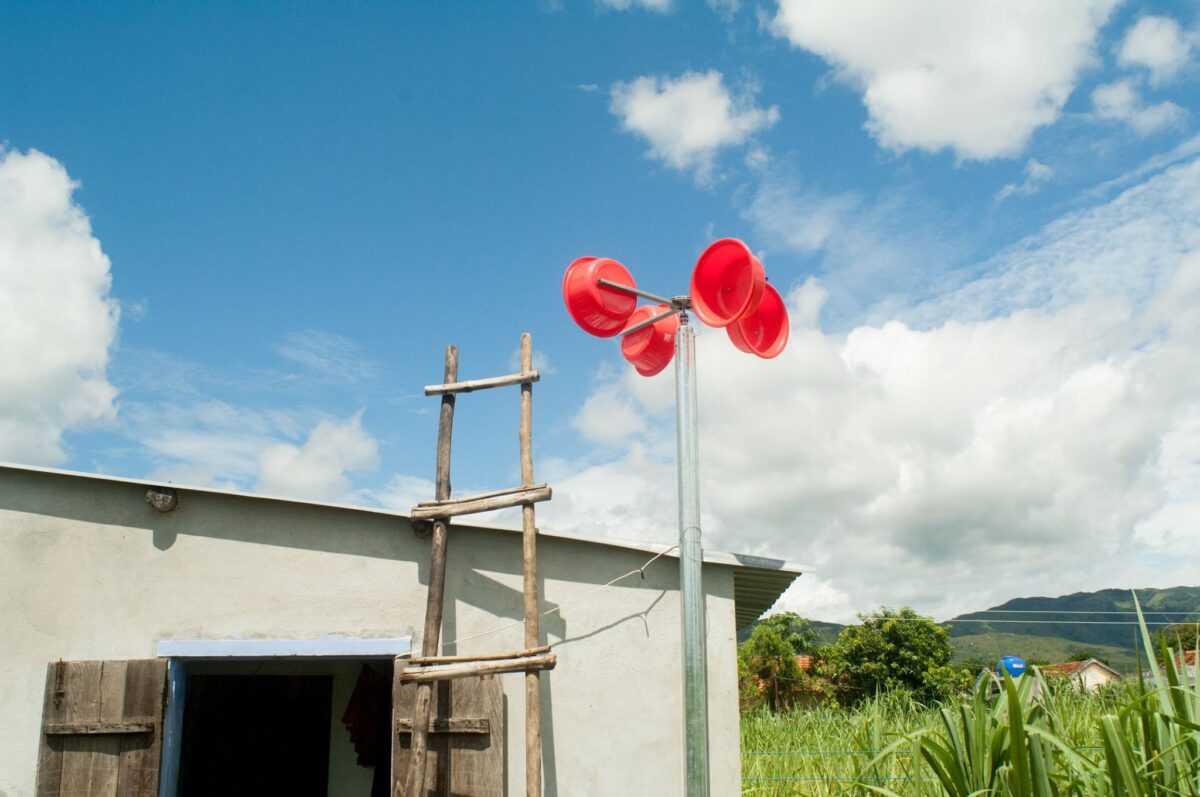
    Wind turbine vietnam

    A mini wind turbine set up in the countryside of Vietnam. PHOTO: 1516 energy

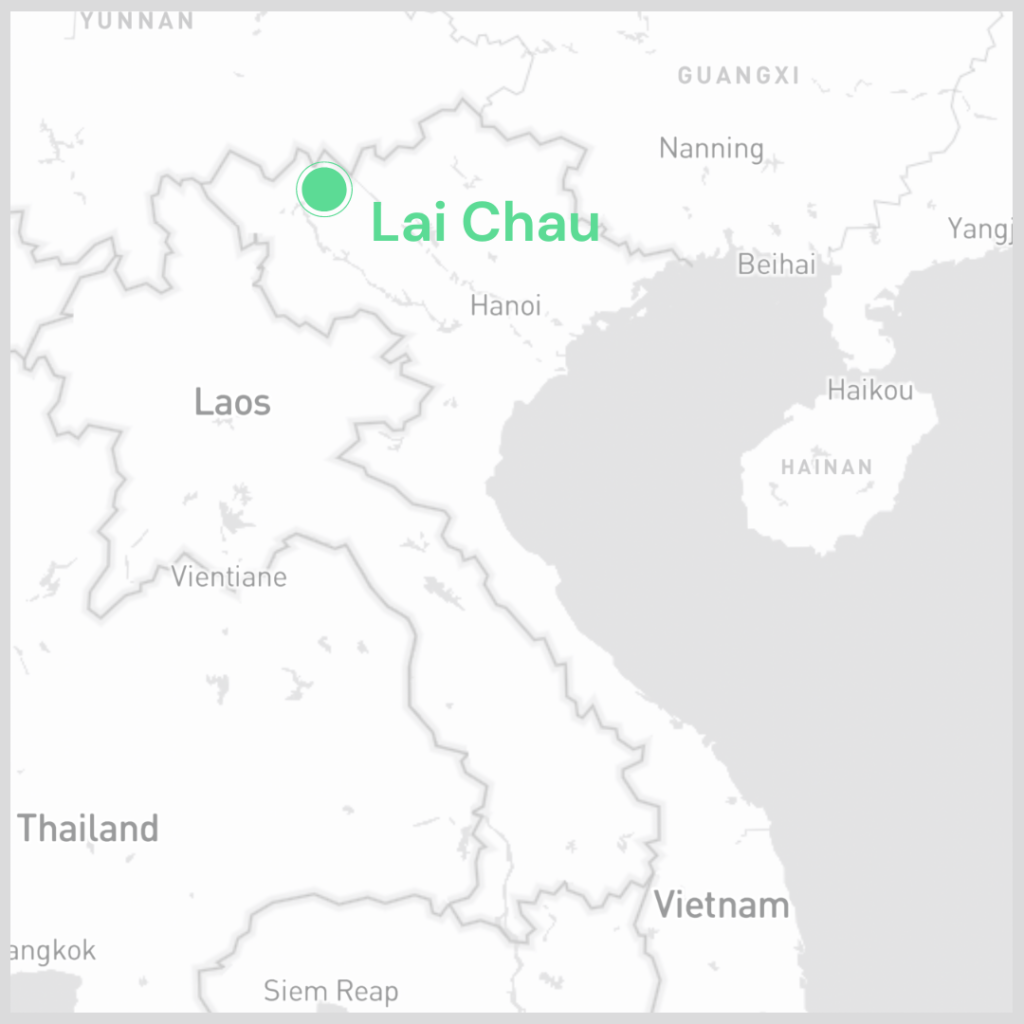
    LAI CHAU, VIETNAM – In November 2019, teachers and students at the Pa U elementary boarding school in Muong Te district in Vietnam’s Lai Chau province had electricity for the first time.

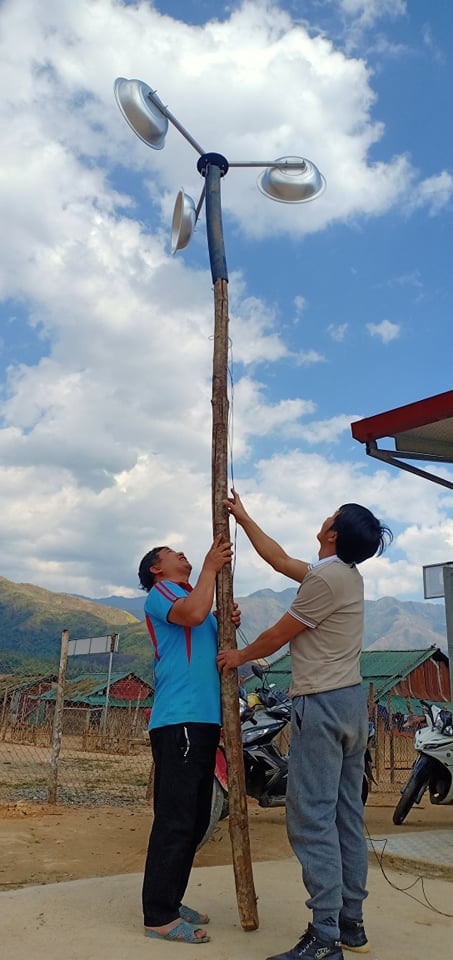
    The power came from a rudimentary micro wind turbine system, which was sold and delivered to the school by a local startup named 1516 and assembled by the teachers.

    The setup was simple: aluminum tubs affixed to a sturdy wooden rod, linked to a sun box that contains a charge controller, a solar battery and an inverter to generate electricity.

    Lai Chau
    Source: Mapbox

    “The children were so excited to see those turbines in action,” recalled teacher Bui Thi Minh Khuyen. Despite a limited output that can only sustain the school’s energy needs until 10pm, the new power supply has made a vast difference.

    Pa U schoolteachers assemble a wind turbine. PHOTO: 1516 energy

    Previously, the school only had light bulbs powered by cheap solar panels imported from China. Fans, radios, TVs, phones and laptops were luxuries the school could not power.

    Tiếp tục đọc “In Vietnam, IKEA-style wind turbines are powering off-grid communities”

    Civic Peacebuilding on the Rise in the Asia-Pacific

    June 28, 2023 By Adam Burke, Asia Foundation

    FacebookTwitterLinkedInEmailPrintShare

    The Democracy Monument in Bangkok, Thailand. (Nawit science / Wikipedia CC BY-SA 4.0)

    Polarized politics, democratic deficits, rampant online hate speech, unprecedented global security risks. In this turbulent era, how do peace campaigners and grassroots mobilizers bridge bitter divides and promote peace in their communities?

    A forthcoming study reveals that peacebuilders are finding new opportunities in this tough environment. In a project with the Initiative for Peacebuilding at the University of Melbourne, The Asia Foundation interviewed 25 civil society leaders in South and Southeast Asia—women and men, young and old—who work to prevent conflict. While acknowledging that space to speak out is shrinking in many countries, they expressed hopeful views of current opportunities to mediate and resolve conflicts.

    Tiếp tục đọc “Civic Peacebuilding on the Rise in the Asia-Pacific”