Nghèo khổ và việc làm ở Châu Á và Thái Bình Dương

ADB – Thông tin dạng biểu đồ | 27 Tháng 10 2015

Khu vực Châu Á và Thái Bình Dương đang chứng kiến sự sụt giảm ngoạn mục trong tỷ lệ nghèo khổ, nhưng tiến bộ này là không đồng đều. Việc làm, vốn là nhân tố then chốt trong việc giúp mọi người thoát nghèo, vẫn thấp bất định ở một vài quốc gia trong khu vực.

Vĩnh biệt “xưởng mồ hôi”

Thái Bình – Chủ Nhật,  11/9/2016, 08:27 (GMT+7)

Hình ảnh những người thợ cắt vải thủ công đang lùi dần vào quá khứ khi công việc nhàm chán này được tự động hóa. Ảnh: Thành Hoa
(TBKTSG) – Trong hơn 30 năm qua, danh từ “xưởng mồ hôi” (sweatshop) gợi lên một hình ảnh rất đặc trưng: hàng ngàn công nhân châu Á với đồng lương thấp cặm cụi làm ra những sản phẩm quần áo, giày dép cho các thương hiệu thời trang nổi tiếng trong những xưởng may đông đúc và kém an toàn. Hình ảnh đó đã kích hoạt các chiến dịch tranh đấu cho nhân quyền, làm thay đổi cách thức mà các công ty lớn đặt nguồn hàng và cung cấp thông tin (thường không chính xác) cho các chính trị gia ở các nước giàu trong việc hoạch định chính sách thương mại.

Tiếp tục đọc “Vĩnh biệt “xưởng mồ hôi””

CSIS – Southeast Asia Sit-Rep – September 8, 2016

CSIS Southeast Asia SIT-REP

This issue features analyses on U.S.-Myanmar relations in coming years in light of State Counselor Aung San Suu Kyi’s visit to Washington and U.S.-Laos cooperation on the Agent Orange war legacy as the two countries expand ties; and includes upcoming CSIS events on Myanmar and the Philippines. Links will take you to the full publications, multimedia, or to registration for upcoming programs when available. To jump to a section, select one of the following: Tiếp tục đọc “CSIS – Southeast Asia Sit-Rep – September 8, 2016”

Explaining President Obama’s Rebalance Strategy

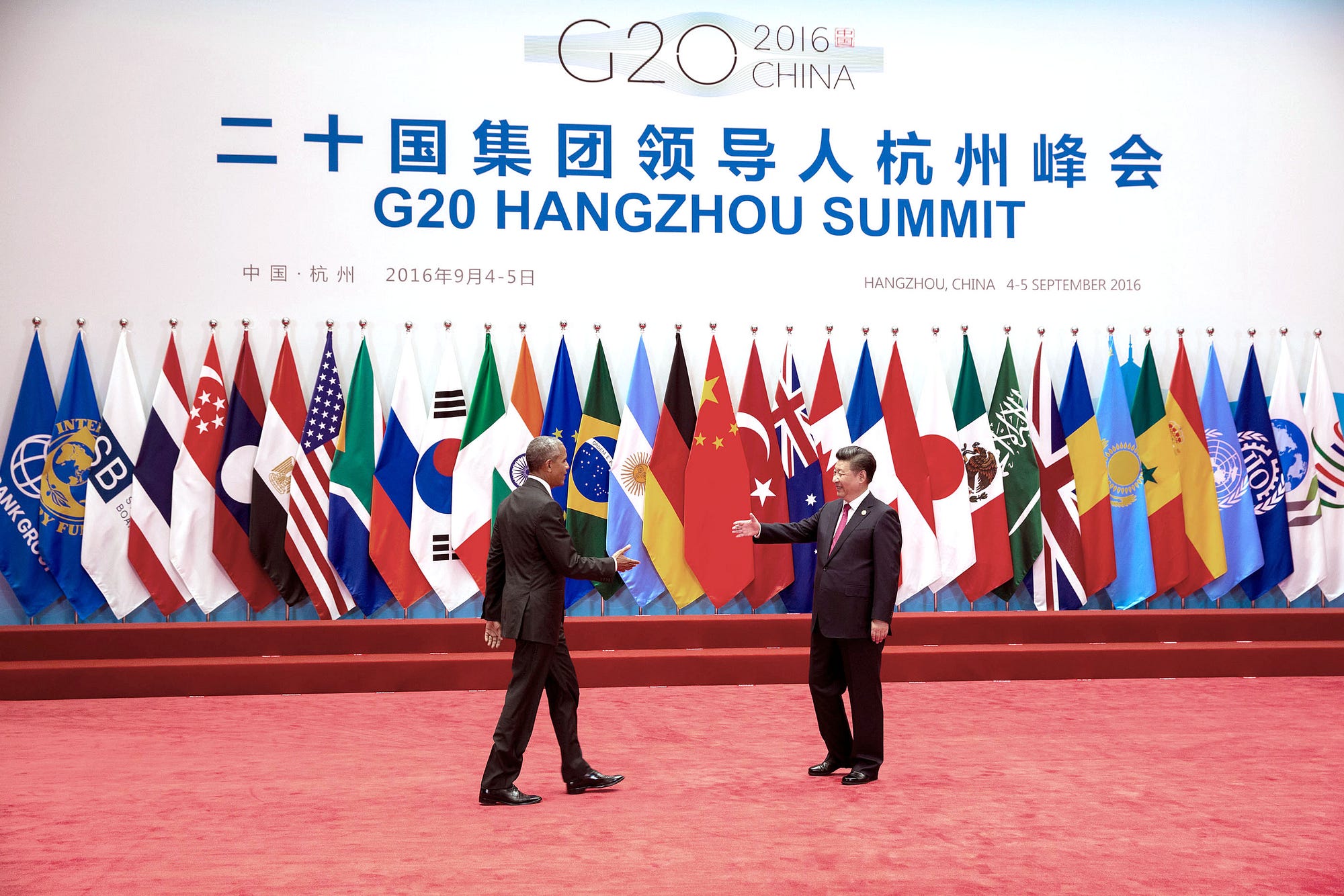
Chinese President Xi Jinping greets President Barack Obama upon arrival for the G20 Summit at the Hangzhou International Expo Center in Hangzhou, China, Sept. 4, 2016. (Official White House Photo by Pete Souza)

Explaining President Obama’s Rebalance Strategy

By Ambassador Susan Rice, National Security Advisor

In January of 2009, American foreign policy was largely defined by the horrific aftermath of the September 11th attacks, two ground wars in the Middle East, and the worst financial crisis in decades, with the global economy, by many measures, on a worse trajectory than in 1929.

Tiếp tục đọc “Explaining President Obama’s Rebalance Strategy”

CSIS – Southeast Asia from Scott Circle – September 1, 2016

Cementing a New Normal in U.S.-Myanmar Relations

By Murray Hiebert (@MurrayHiebert1), Senior Adviser and Deputy Director, and Phuong Nguyen (@PNguyen_DC), Associate Fellow, Southeast Asia Program (@SoutheastAsiaDC), CSIS

September 1, 2016

Aung San Suu Kyi’s visit to the United States on September 13-14 as state counselor and de facto leader of Myanmar will be one of the highlights in U.S.-Myanmar relations since the two countries normalized diplomatic ties in 2012, after the military began political reforms. Now that a democratically elected government has taken office, the next five years will allow the two countries to lay the foundation for a new chapter in their bilateral relations. Tiếp tục đọc “CSIS – Southeast Asia from Scott Circle – September 1, 2016”

Chính sách Hướng Đông của Nga và tác động đối với Đông Nam Á và Biển Đông

NCBĐ – Thứ sáu, 29 Tháng 1 2016 07:45

Một năm trước khi Chính quyền Obama công bố chiến lược tái cân bằng sang châu Á, thì Tổng thống Vladimir Putin đã tuyên bố Nga sẽ “hướng Đông”. Điều gì thúc đẩy chính sách Hướng Đông của Putin và liệu kết quả có như mong đợi? Lập trường của Nga và tác động như thế nào đến tình hình Biển Đông?

Tiếp tục đọc “Chính sách Hướng Đông của Nga và tác động đối với Đông Nam Á và Biển Đông”

CSIS – Southeast Asia Sit-Rep – August 25, 2016

CSIS Southeast Asia SIT-REP

This issue includes a look at the new Malaysian political party that could challenge Prime Minister Najib Razak’s United Malays National Organization, analysis of Vietnam’s latest economic reforms, a podcast assessing U.S.-Taiwan relations, and much more. Links will take you to the full publications, multimedia, or to registration for upcoming programs when available. To jump to a section, select one of the following:

Tiếp tục đọc “CSIS – Southeast Asia Sit-Rep – August 25, 2016”

CSIS – Southeast Asia from Scott Circle – August 18, 2016

Malaysia’s Najib Faces Latest Challenge from Newly Established Party

By Conor Cronin (@ConorCroninDC), Research Associate , Southeast Asia Program (@SoutheastAsiaDC), CSIS

August 18, 2016

Former deputy prime minister Muhyiddin Yassin on August 9 officially registered Malaysia’s newest political party: Parti Pribumi Bersatu Malaysia, or Bersatu for short. The party is the latest salvo in a slow mutiny against Prime Minister Najib Razak that has centered for more than a year around a scandal involving state investment fund 1Malaysia Development Bhd (1MDB). Tiếp tục đọc “CSIS – Southeast Asia from Scott Circle – August 18, 2016”

Về quan hệ Trung Quốc – ASEAN từ sau chiến tranh lạnh đến nay

Thứ hai, 11 Tháng 4 2016 17:32

(LLCT)Đông Nam Á là khu vực duy nhất để Trung Quốc thực hiện chiến lược ngoại giao của mình. Tuy nhiên, Đông Nam Á cũng có lợi thế kinh tế quan trọng đối với Mỹ và Nhật Bản, vì vậy khu vực này trở thành nơi cạnh tranh chiến lược giữa các nước lớn. 

Về quan hệ Trung Quốc - ASEAN từ sau chiến tranh lạnh đến nay

Tiếp tục đọc “Về quan hệ Trung Quốc – ASEAN từ sau chiến tranh lạnh đến nay”

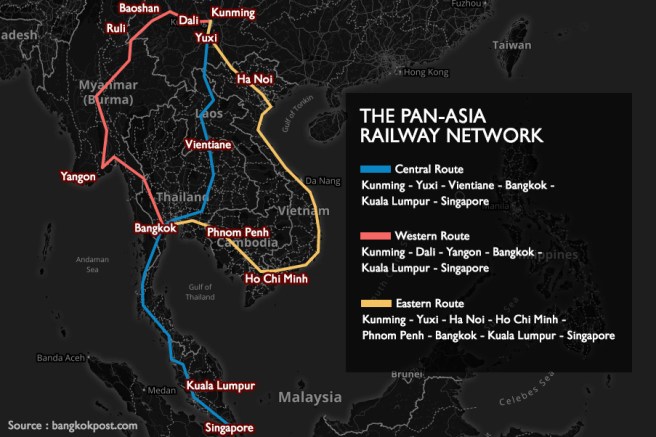
Ý tưởng “Một vành đai, một con đường” tắc ngay ở Đông Nam Á

Click vào đây để xem hình lớn. Nguồn BTN

***

09:45 12/06/16

(GDVN)Nhà ga đường sắt cao tốc từ điểm khởi đầu ở Côn Minh đã sắp hoàn thành thì phần đường sắt chạy qua lãnh thổ Lào đến nay vẫn chưa có…

Tiếp tục đọc “Ý tưởng “Một vành đai, một con đường” tắc ngay ở Đông Nam Á”

CSIS – Southeast Asia Sit-Rep – August 11, 2016

CSIS Southeast Asia SIT-REP

This issue includes an assessment of Philippine president Rodrigo Duterte’s achievements and shortfalls during his first month in office, analysis of Duterte’s first State of the Nation address, and much more. Links will take you to the full publications, multimedia, or to registration for upcoming programs when available. To jump to a section, select one of the following:

Tiếp tục đọc “CSIS – Southeast Asia Sit-Rep – August 11, 2016”

Southeast Asia from Scott Circle – August 4, 2016

A Quick but Concerning Start to the Duterte Presidency

By Conor Cronin (@ConorCroninDC), Research Associate, Southeast Asia Program (@SoutheastAsiaDC), CSIS

August 4, 2016

Rodrigo Duterte, the newly minted president of the Philippines, was quick out of the gates after taking office in late June. In an executive order on July 24, Duterte established new freedom of information regulations for the executive branch by circumventing Congress, where freedom of information bills have languished for decades. The president made infrastructure a top priority for his administration, pushing road construction projects around the country along with solutions to many of Manila’s chronic woes such as flooding and the overcrowding of its international airport. Tiếp tục đọc “Southeast Asia from Scott Circle – August 4, 2016”

The pattern of capital flows into Asia in the last decade

The pattern of capital flows into Asia in the last decade

asiapathways-abdi: Looking at the varying patterns of the capital flows into Asia in the last decade, the period after the taper tantrum on 21 May 2013 until 31 October 2015 is of particular interest from both global and local perspectives. Globally, the wave of capital flows became more volatile due to various international factors: (i) the pace of monetary policy normalization in the United States (US), (ii) the slowdown in the People’s Republic of China, (iii) the slide in oil prices, and (iv) higher political uncertainty and elevated geopolitical tensions. Locally, the growth momentum in Asia slowed down due to weaker balance of payments, worsening external debt conditions, and reduction in real economic activity. Monetary policy in Asia therefore became more accommodative to support growth. This, in turn, lowered expected relative interest returns and caused capital to flow out of Asia. Moreover, the exchange rate return on investing in Asian assets, which previously had been a byproduct of investment, declined. This is because there was greater risk aversion on Asian assets and there was downward pressure on all emerging Asian currencies due to weaker economic fundamentals. Tiếp tục đọc “The pattern of capital flows into Asia in the last decade”